Is UnitedHealth Stock Still a Buy in August After Its Q2 Beat Last Month?
UnitedHealth crushed Q2 estimates and doubled its buyback, yet the stock has pulled back since the report. Whether that dip signals a buying opportunity or a warning sign depends on one number management cannot yet guarantee.

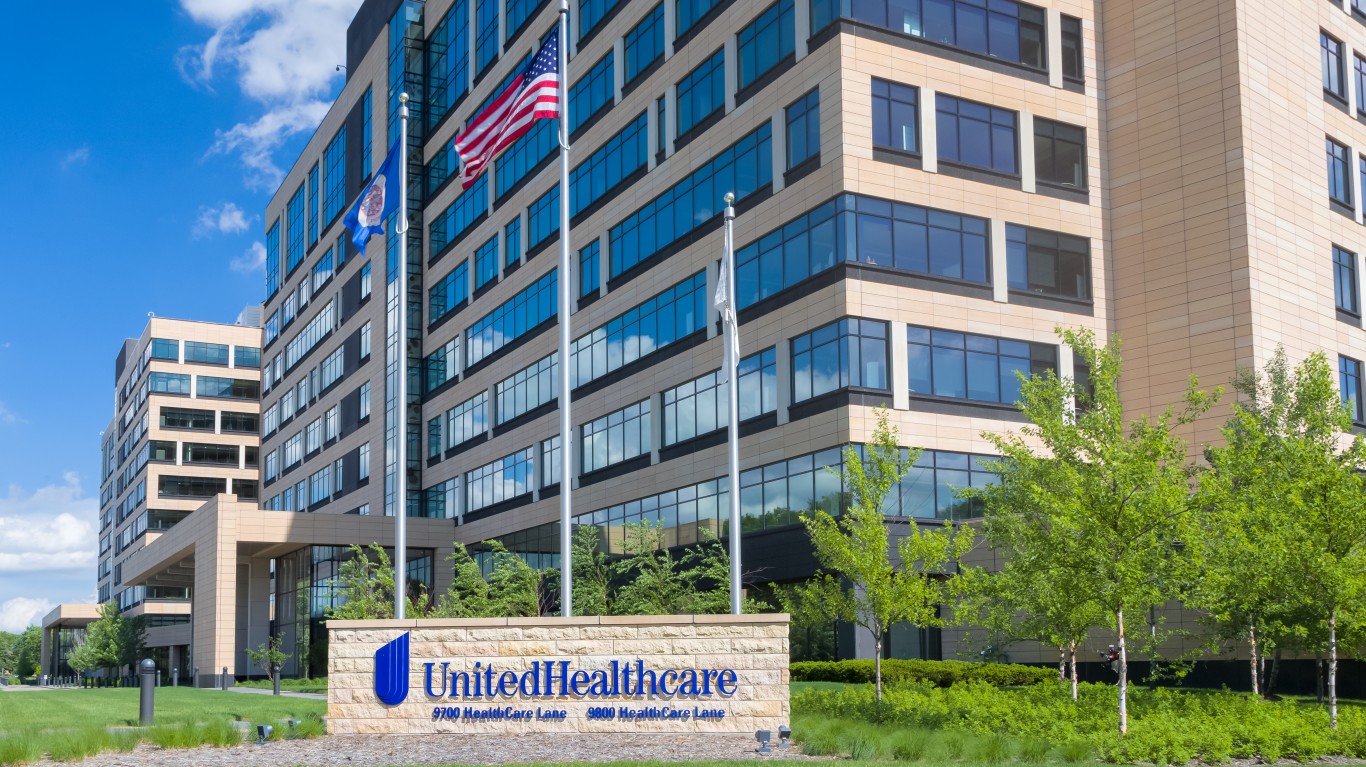
UnitedHealth Group (NYSE: UNH | UNH Price Prediction) reported Q2 2026 results on July 16, and the numbers cleared even the higher end of Wall Street’s expectations. But the stock has slid 3.43% since, leaving some investors to question whether or not it remains a buy.
On Tuesday shares traded around $408.86, up nearly 22% year to date and almost 70% over the past year. Meanwhile, KeyBanc has pushed its price target to $500 from $475, while UBS moved to $490 from $460. Here’s what investors keeping an eye on the stock need to know.
Margins Do the Heavy Lifting
The real story sits in the medical care ratio. It came in at 86.7%, a 270 basis point improvement from a year ago, aided by $860 million in net favorable prior period reserve development. That flowed straight through to operating income of $7.99 billion, up 55.17% year over year. UnitedHealthcare’s operating margin expanded to 4.6% from 2.4%, and Optum tacked on 160 basis points to hit 6.2%. I liked how clean the profitability recovery looked given the mess late 2025 left behind.

Membership Still Shrinking
The offset is volume. Medicare Advantage membership has contracted by 965,000 since year-end 2025, and Optum Health revenue fell 5% year over year on roughly 700,000 fewer value-based care patients. Optum Rx adjusted scripts slid to 387 million from 414 million. Much of this is deliberate exit from unprofitable contracts, but you’ll want to see when the attrition levels off.
Guidance Gets a Meaningful Bump
Key figures for Q2 2026 and the raised outlook:
- EPS: $6.38
- Revenue: $112.03 billion, up 0.4% YoY
- Net Income: $5.48 billion, up 61.01% YoY
- Operating Cash Flow: $11.1 billion (1.9x net income)
- 2026 Adjusted EPS Guide: $19.50 to $20, raised from a prior floor above $17.75
- 2026 Buyback: at least $5 billion, doubled from ~$2.5 billion; $4 billion already executed through mid-July
The doubled repurchase authorization is the quiet flex here. Management doesn’t back that up unless they’re confident in the cash conversion trajectory.

Hemsley Keeps It Sober
CEO Stephen Hemsley framed it plainly, saying “Our results and outlook reflect the continuing progress in our work to simplify how we operate, improve both affordability and the health care experience for patients and care providers and apply modern technology to create real improvement for people.” KeyBanc’s Matthew Gillmor was more pointed, noting the quarter “topped bullish expectations” and flagging a path to roughly $30 in EPS sooner than expected.

Watch the Commercial Repricing
KeyBanc attributed the muted immediate reaction to “elevated investor expectations and higher costs within commercial.” That’s the piece I’d track next. Consensus target now sits at $471.80, implying about 11% upside, with 22 Buy ratings against one Sell rating. If MCR holds through the back half, the $20 EPS ceiling starts looking conservative.
Contact [email protected] for any questions or corrections.
Joel South covers large-cap stocks, dividend investing, and major market trends, with a focus on earnings analysis, valuation, and turning complex data into actionable insights for investors.
He brings more than 15 years of experience as an investor and financial journalist, including 12 years at The Motley Fool, where he served as an investment analyst, Bureau Chief, and later led the Fool.com investing news desk. He has also co-hosted an investing podcast and appeared across TV and radio discussing market trends.