Larry Ellison Just Collected a $579 Million Dividend Check. Here’s What $100,000 of Oracle Stock Would Pay You.
Oracle's latest dividend payment landed very differently depending on who was collecting it. The gap between the company's biggest shareholder and a serious retail investor reveals something striking about how wealth actually compounds at scale.

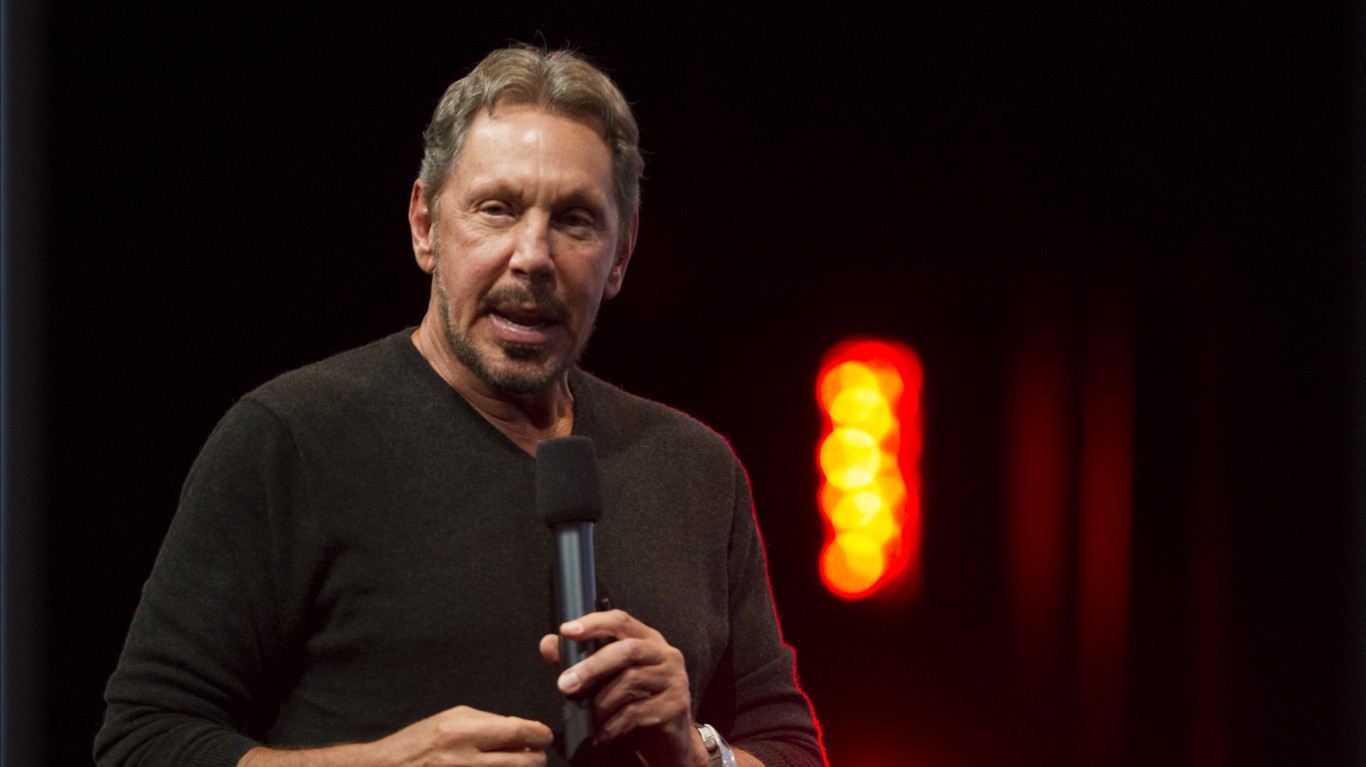
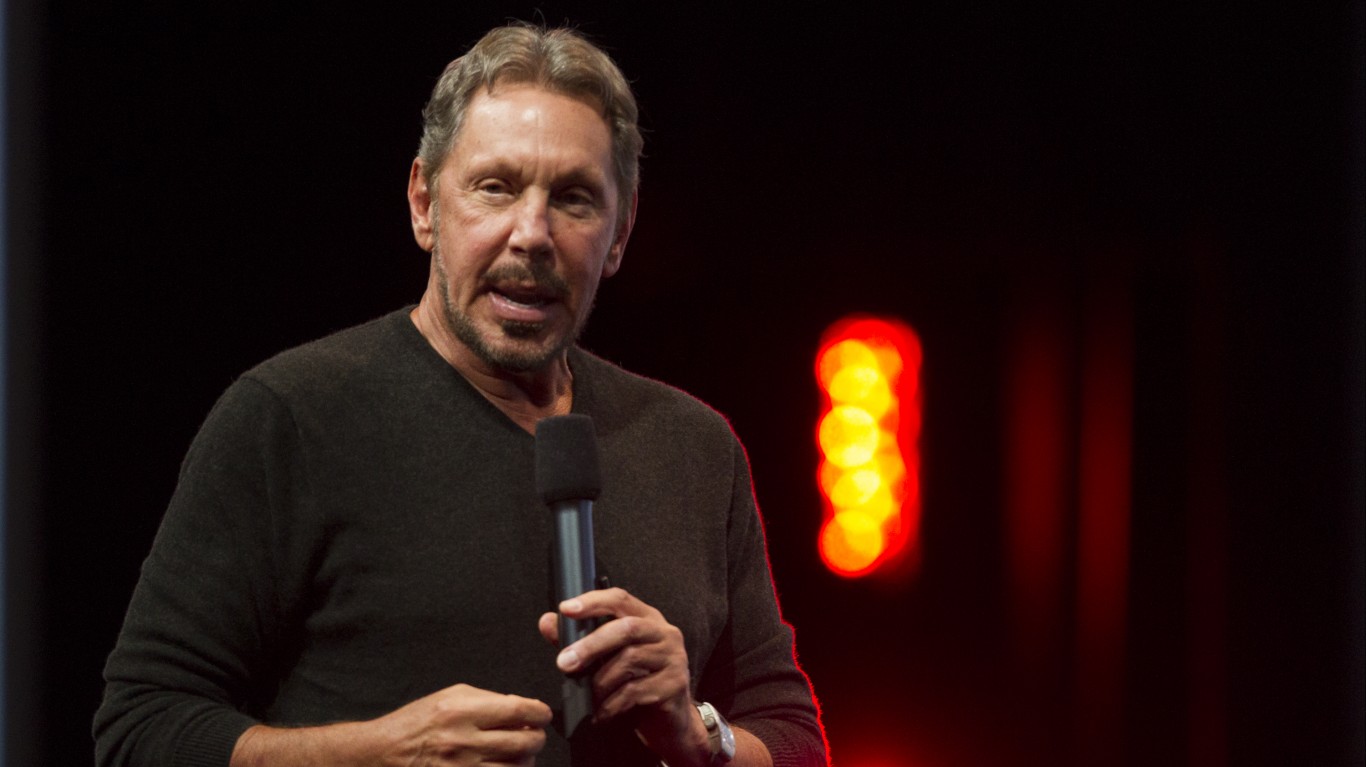
Oracle cut its latest quarterly dividend check on July 24, 2026, sending $0.50 per share to holders of record. For Larry Ellison, chairman and co-founder of Oracle (NYSE:ORCL | ORCL Price Prediction), that routine payment translated into an estimated ~$579 million in a single quarter, an amount that exceeds the entire market value of many small-cap public companies. That reflects arithmetic driven by one of the largest individual equity stakes in corporate America.
The Math Behind Ellison’s Check
Per Ellison’s most recently disclosed SEC filings, he owns roughly 1.158 billion shares of Oracle, or about 40.6% of the shares outstanding as of mid-2025. Applied to the $0.50 per share declared on June 10, 2026, that stake generates the roughly $579 million quarterly figure. Annualized at Oracle’s $2.00 per share forward rate, the payout works out to about $2.3 billion a year. For context, Oracle’s fiscal 2025 dividend of $1.70 per share would have paid Ellison roughly $1.97 billion. His income from the company has grown meaningfully even before accounting for share-price moves. Large-holder counts can shift with periodic sales, so treat the $579 million as an estimate.
What $100,000 of Oracle Actually Pays
Now scale the same stock down to a realistic retail position. Oracle closed at $145.74 on August 4, 2026. A $100,000 stake buys approximately 686.3 shares. At the current dividend rate, that position throws off about $343 per quarter, or roughly $1,373 a year. Real money, but a modest supplement, closer to a couple of car payments than a windfall. Ellison earns the retail investor’s entire annual dividend income many times over in the seconds it takes his bank to log the transfer.
Yield, Reframed by a Falling Stock
The current yield on Oracle sits at roughly 1.4%, which is actually somewhat elevated compared with most of the past year. The dividend itself has not moved. The stock has. Oracle’s all-time closing high of $324.63 was set on September 10, 2025, and shares have fallen more than 55% from that peak. A new buyer today collects a better yield than a buyer a year ago paid for. Ellison’s dollar income, by contrast, is untouched by the decline. His check is a function of shares held, not the quote screen.
Capital Return Amid the AI Buildout
Oracle has raised its dividend for 12 consecutive years, including through this drawdown, moving the per-share payout from $1.70 in fiscal 2025 to $2.00 in fiscal 2026. That is a notable posture given the capital pressure. Oracle is investing heavily in AI data-center capacity, with capital expenditures pressuring free cash flow and additional debt and equity financing planned for FY2027. The board is choosing to keep raising the dividend anyway, a signal about how it wants to be judged.
That is the split-screen. Ellison collects what most companies would classify as a corporate windfall four times a year, mechanically, regardless of the tape. The retail holder with a serious $100,000 position gets a few hundred dollars a quarter. Same stock, same dividend rate, radically different lives.
Contact [email protected] for any questions or corrections.
AJ spent 10 years writing about financial markets at The Motley Fool. His coverage centers on technology stocks and the broader macroeconomic trends, from interest rates to geopolitics, that shape where markets are headed next. AJ is drawn to the stories where big-picture economics and individual companies collide.