Your Idle Cash Is Sitting in Vanguard’s VMFXX, and It’s Doing More Work Than You Think
Most Vanguard account holders never chose to own VMFXX, yet it quietly controls what their uninvested cash earns every single day. What it does with that money, and whether it beats the alternatives, depends on details most investors never bother…

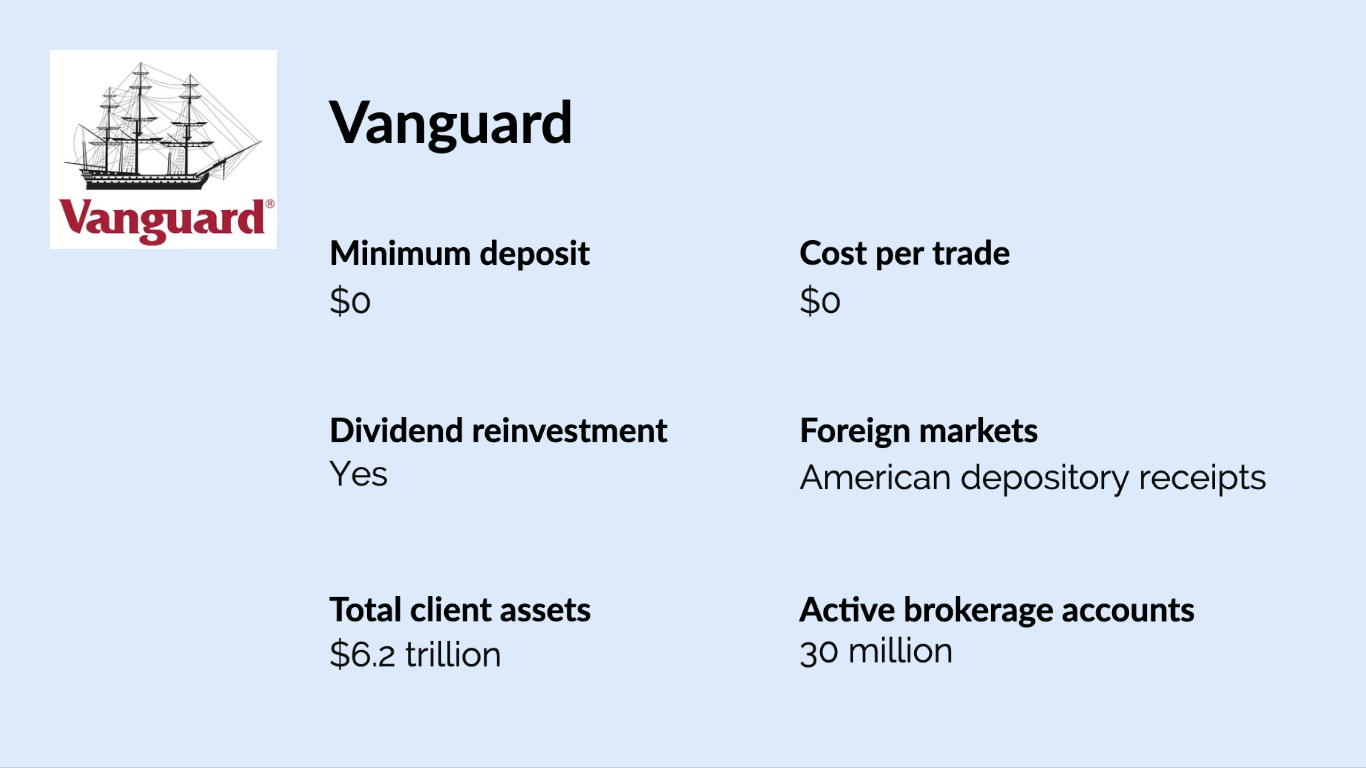
If you opened a Vanguard brokerage account and never picked a “cash” option, your uninvested dollars almost certainly landed in the Vanguard Federal Money Market Fund (NASDAQ:VMFXX). That default status means it holds more idle cash than any investor consciously chose to put there, and in the current rate environment, that corner of your account generates real yield on Treasury bills instead of the near-zero return a checking account pays.
VMFXX is Vanguard’s flagship government money market fund and the automatic settlement vehicle for most Vanguard retail brokerage accounts. It invests in short-dated U.S. government securities, primarily Treasury bills and repurchase agreements collateralized by government paper, with an expense ratio of 0.11%. Because it is the fund your cash gets swept into by default, most holders own it without comparing it to alternatives.
How the Yield Actually Gets Made
A money market fund’s yield reflects what the fund’s underlying holdings earn, minus the expense ratio. VMFXX buys short-duration government paper that rolls over constantly, so its yield tracks short-term Treasury rates in near real time.
Right now those short-term rates are elevated. The Federal Reserve is holding its target upper bound at 3.75%, a level it has maintained since December 11, 2025 after three consecutive quarter-point cuts. Treasury bills, the raw material of VMFXX’s portfolio, reflect that stance. As of August 12, 2026, the 4-week bill was yielding 3.69%, the 13-week bill 3.82%, and the 52-week bill 4.02%. The broader short-duration Treasury curve shows the 1-month at 3.78% and the 6-month at 3.97%.
Vanguard publishes a 7-day SEC yield on the fund’s page that updates as those underlying bills mature and get replaced. The yield can drift day to day and will slide if the Fed resumes cutting.
The Expense Ratio Does Real Work
The 0.11% expense ratio is why VMFXX tends to yield better than money market funds sold through banks or full-service brokers, where fees can run several times higher. On a balance of $100,000, an 11-basis-point fee is $110 a year. A fund charging 0.50% would eat $500. Every dollar Vanguard does not skim off the top of those Treasury bill coupons stays with the shareholder.
Structure, Insurance, and Tax Treatment
VMFXX is a mutual fund without FDIC insurance. The Securities Investor Protection Corporation covers the account against broker failure, but not against investment losses. Government money market funds are among the safest instruments in the mutual fund universe, but that is not a guarantee. The fund aims to hold a stable $1.00 net asset value; breaking that has been rare and headline-making.
Yield is variable. If the Fed cuts again, VMFXX’s payout will fall within weeks as underlying bills roll into lower-rate replacements. Interest is taxed as ordinary income at the federal level, though a portion attributable to Treasury interest is typically exempt from state and local tax. Residents of high-tax states should read the year-end breakdown Vanguard publishes.
How It Stacks Up Against Alternatives
The FDIC national average for a 12-month CD is 1.68% as of July 1, 2026, well below what the short-Treasury market currently pays. Series I savings bonds are running a composite rate of 4.26% for the May 1, 2026 through October 31, 2026 earning period, but they lock cash up for a year minimum and cap annual purchases. With the average credit card APR at 20.94% as of May 2026, anyone earning a money market yield on cash while carrying a revolving balance is losing that arbitrage by a wide margin.
Who VMFXX Suits and Who Should Look Elsewhere
VMFXX fits investors who want their brokerage settlement cash, emergency reserves, or short-term savings to earn a market yield without picking anything themselves. It suits retirees drawing income, DIY investors waiting to deploy capital, and anyone parking cash for a house or tax bill inside the next 12 months. It is a poor fit for money with a multi-year horizon, where inflation and reinvestment risk make short bonds or equities more appropriate, and for investors in high-tax states who might do better in a Treasury-only fund with cleaner state-tax treatment.
Related Funds Worth Researching
- Vanguard Treasury Money Market Fund (NASDAQ:VUSXX): Holds a higher share of direct Treasury bills, which often produces better after-tax yield for residents of high-tax states.
- Fidelity Government Money Market Fund (NASDAQ:SPAXX): Fidelity’s default sweep counterpart, useful for comparing Vanguard’s cash setup to a Fidelity brokerage.
- iShares 0-3 Month Treasury Bond ETF (NYSEARCA:SGOV): An ETF alternative that trades intraday and holds ultra-short Treasuries, appealing to investors who prefer ETFs to mutual funds.
Contact [email protected] for any questions or corrections.
Austin Smith is a financial publisher with over two decades of experience as an investor, analyst, and advisor. He covers stocks, ETFs, Artificial intelligence and personal finance for 24/7 Wall St. Previously, he spent over a decade at The Motley Fool as a senior editor for Fool.com, portfolio advisor for Millionacres, and launched The Ascent to help reader take control of their personal finances.
His work has been featured on Fool.com, NPR, CNBC, USA Today, Yahoo Finance, MSN, AOL, Marketwatch, and many other publications. He is as an advisor to private companies, and co-hosts The AI Investor Podcast with Eric Bleeker.
When not looking for investment opportunities, he can be found skiing, running, or playing soccer with his children. Learn more about Austin's investment approach here.