Aehr Test Systems Sinks 10%, Teradyne Falls 5%, FormFactor Drops 6%: What’s Hitting These Semiconductor Test Equipment Stocks?
Semiconductor test equipment stocks are getting hammered Wednesday while the broader chip ETF barely flinches, and the reason has nothing to do with bad earnings or analyst downgrades.

This post may contain links from our sponsors and affiliates, and Flywheel Publishing may receive compensation for actions taken through them.
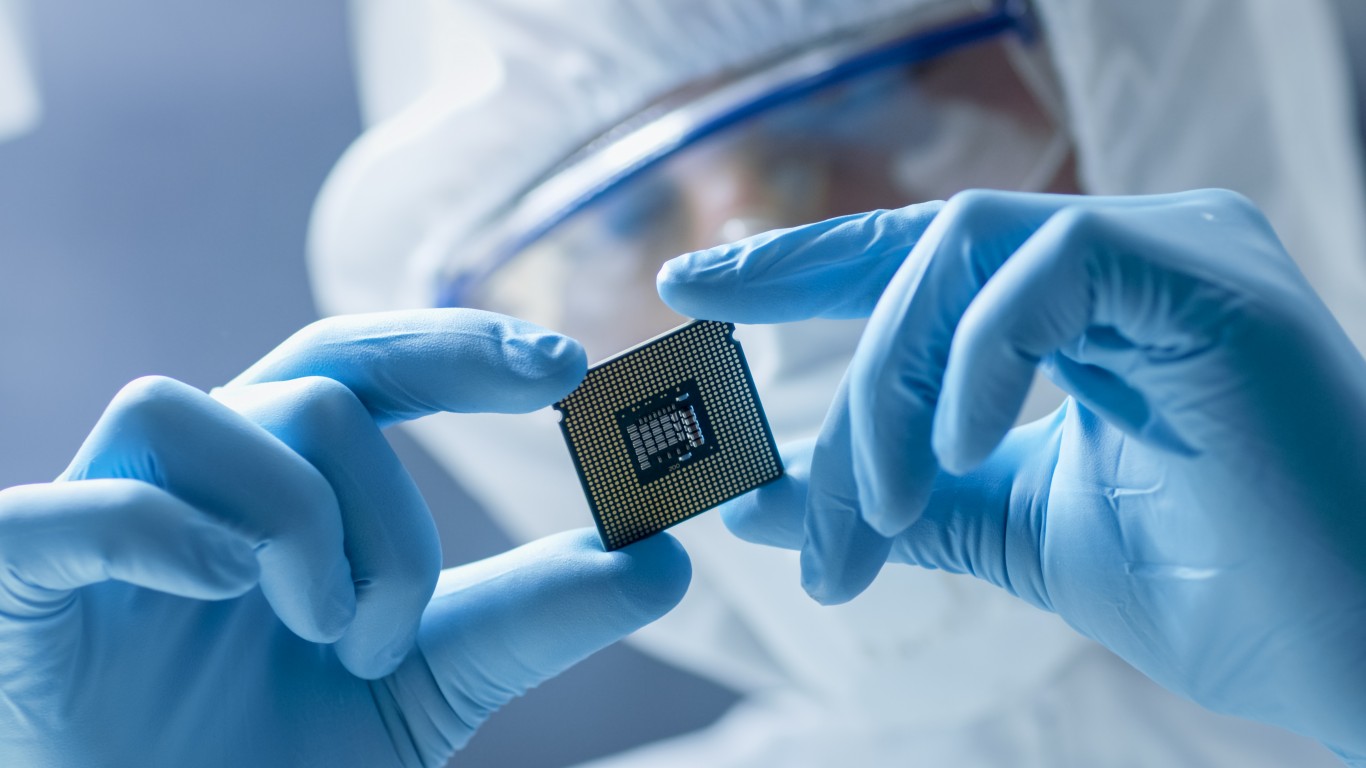
Shares of semiconductor test equipment names are sliding Wednesday morning as a broad derisking wave hits some of 2026’s biggest chip winners. Aehr Test Systems (NASDAQ:AEHR) stock is down 10% to $111.01, leading the group lower after one of the largest year-to-date runs anywhere in the sector.
Teradyne (NASDAQ:TER | TER Price Prediction) stock is down 5% to $383.80. FormFactor (NASDAQ:FORM) shares are down 6% to $117.27. Cohu (NASDAQ:COHU) stock is down 6% to $55.73. The SPDR S&P Semiconductor ETF (NYSEARCA:XSD) is down 2% to $508.08, a much smaller decline that shows how concentrated the selling is in the test names.
No company-specific catalyst has been reported for any of the four test-equipment stocks today. The move reads as sector-wide profit-taking after enormous year-to-date gains, and the pullback comes despite relief in the bond market. The Treasury Department said it would increase buybacks of long-dated government debt “by at least double” for securities in the 10-year to 30-year sector, and the 30-year yield declined 8 basis points to 5.2% after hitting its highest level since 2007 earlier this week.
Aehr Test Systems Leads the Test-Name Selloff
Aehr Test Systems stock had entered Wednesday up 510% year to date through Tuesday’s close, easily the largest run in this peer group. That vertical move sets up an outsized reaction on any AI-hardware derisking day, and today the shares are giving back a chunk of that gain.
The company designs wafer-level burn-in and test systems, including the FOX-P family, along with ultra-high-power packaged part burn-in systems in the Sonoma family, serving AI accelerators, GPUs, high-performance computing processors, and silicon carbide power semiconductors. Aehr Test Systems reported trailing twelve-month revenue of $50.9 million and a trailing twelve-month net loss of $7.1 million, with fiscal fourth quarter revenue of $18.8 million for the quarter ended May 29, up from $14.1 million a year earlier.
Separately, Aehr Test Systems disclosed in a Form 4 filing with the SEC that President and Chief Executive Officer Gayn Erickson sold 40,000 shares of common stock on August 12, valued at $5.2 million, at a weighted average price of $130.84. The sale was executed entirely through indirect holdings held by a trust, reducing that specific interest by 20%. Erickson retains 197,521 directly held shares and 157,723 indirectly held shares, and executive sales conducted through trusts are routine and commonly reflect diversification or pre-set plans.
Peer Test-Equipment Names Follow the Move
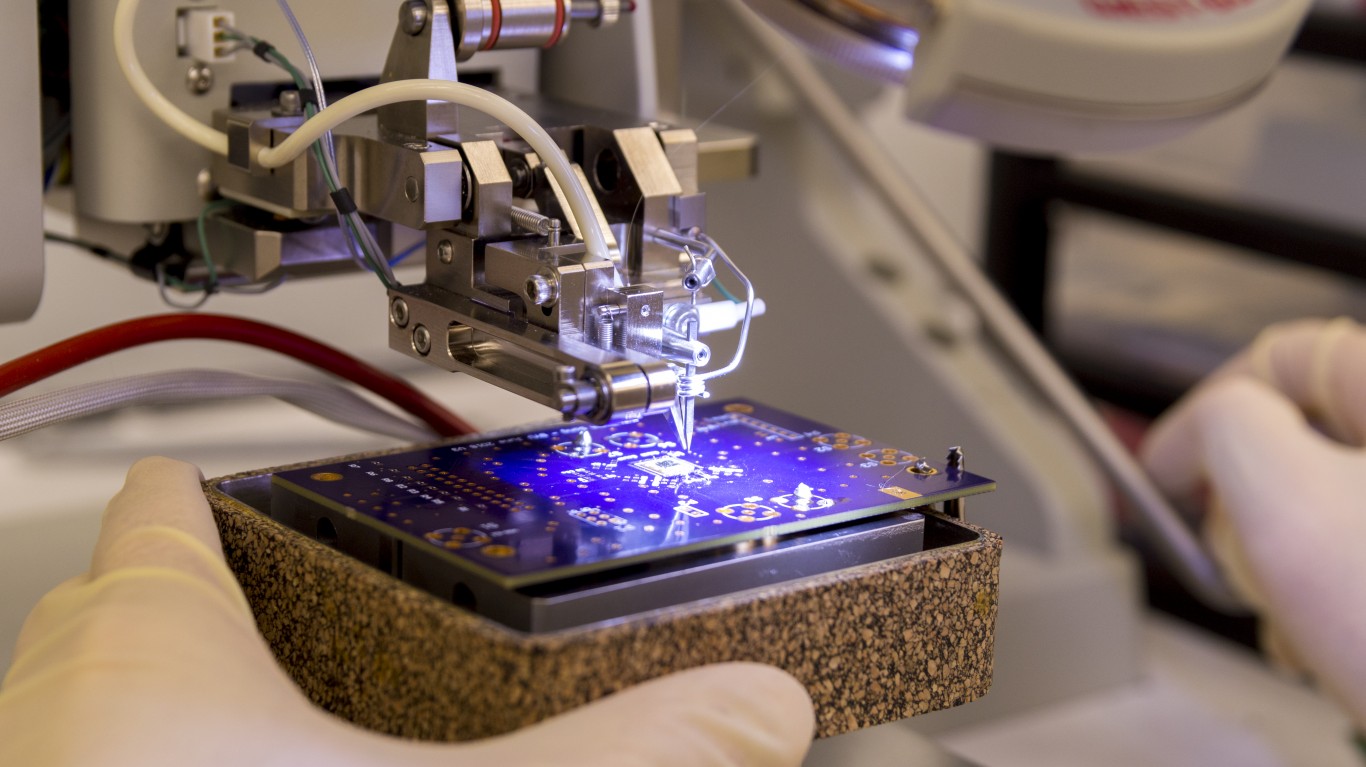
Teradyne stock is the second-largest name in this group by year-to-date performance, up 109% year to date through Tuesday’s close before Wednesday’s 5% decline. Teradyne supplies automatic test equipment used in the production of AI accelerators, memory, and networking silicon, and is one of the most direct large-cap plays on rising test intensity per die.
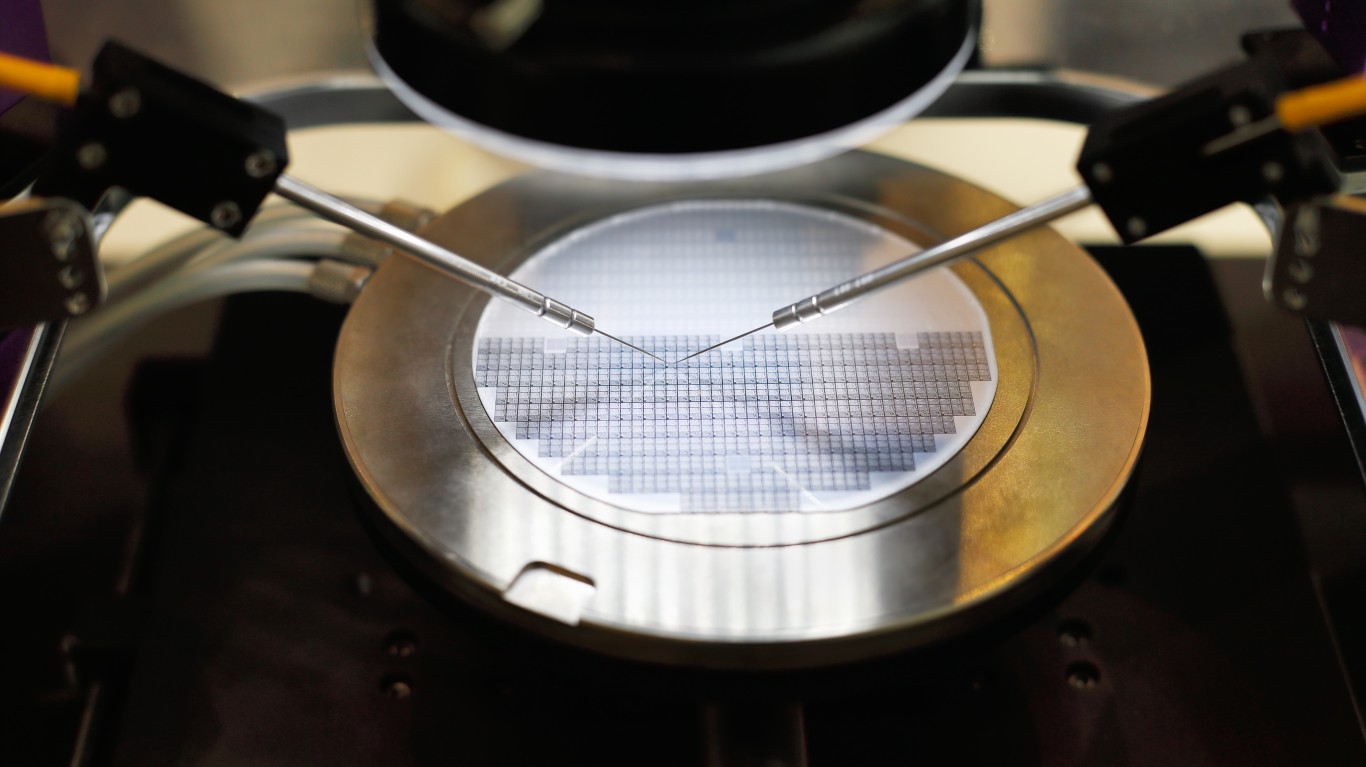
Meanwhile, FormFactor shares are down 6% after a 123% year-to-date run through Tuesday’s close. FormFactor makes advanced probe cards used in wafer testing for high-bandwidth memory and logic devices, a niche tightly correlated with AI accelerator and memory build-outs.
Additionally, Cohu stock is falling 6% after a 139% year-to-date gain. Cohu supplies test handlers and contactors for high-performance computing and data-center processors, giving it the same AI-hardware exposure that is now being trimmed across the group.
SPDR S&P Semiconductor ETF Softens Less
The SPDR S&P Semiconductor ETF is down 2% to $508.08, well shy of the drawdowns in the individual test names. The fund is up 61% year to date through Tuesday’s close and offers broad semiconductor exposure rather than a targeted test-equipment vehicle.
Top XSD holdings include Marvell Technology, Power Integrations, Cirrus Logic, On Semiconductor, and Impinj, meaning the ETF blends analog, connectivity, memory, and logic names alongside a smaller slice of test exposure. That broader mix explains why its decline is a fraction of what Aehr Test Systems, Teradyne, FormFactor, and Cohu are printing today.
The sector concentration is still worth flagging. The XSD fund sits inside a single industry, so drawdowns can compound if the broader chip complex rolls over rather than staying isolated in the test cohort.
What to Watch
The setup points to positioning and profit-taking in AI hardware winners rather than a rates problem, given long-end yields eased on the day. Traders can watch for signs of support in the test names into the close, or further downside as momentum unwinds.
Shareholders may want to keep an eye on whether the SPDR S&P Semiconductor ETF joins the selling in earnest or holds firm, which can help clarify whether this is a targeted rotation out of test equipment or the front edge of a broader chip pullback.
Contact [email protected] for any questions or corrections.
David Moadel is financial writer specializing in stocks, ETFs, options, precious metals, and Bitcoin. David has written well over 1,000 articles for leading online publications, helping investors understand markets, income strategies, and risk.His work has appeared in The Motley Fool, InvestorPlace, U.S. News & World Report, TipRanks, ValueWalk, Benzinga, Market Realist, TalkMarkets, Finmasters, 24/7 Wall St., and others.With a master’s degree in education, David has taught at the elementary, high school, and college levels. That teaching background shapes his writing style: clear, educational, and practical. David has also built a loyal social-media audience by providing trustworthy financial content on YouTube, X/Twitter, and StockTwits.