Did Berkshire Hathaway’s $6.8 Billion Bet Misjudge the Housing Market — Again?
Greg Abel just committed $6.8 billion to homebuilders while mortgage rates hover near 7% and builder sentiment sits at multi-year lows. Whether that looks like bold contrarian conviction or a costly miscalculation depends on what happens next.

This post may contain links from our sponsors and affiliates, and Flywheel Publishing may receive compensation for actions taken through them.

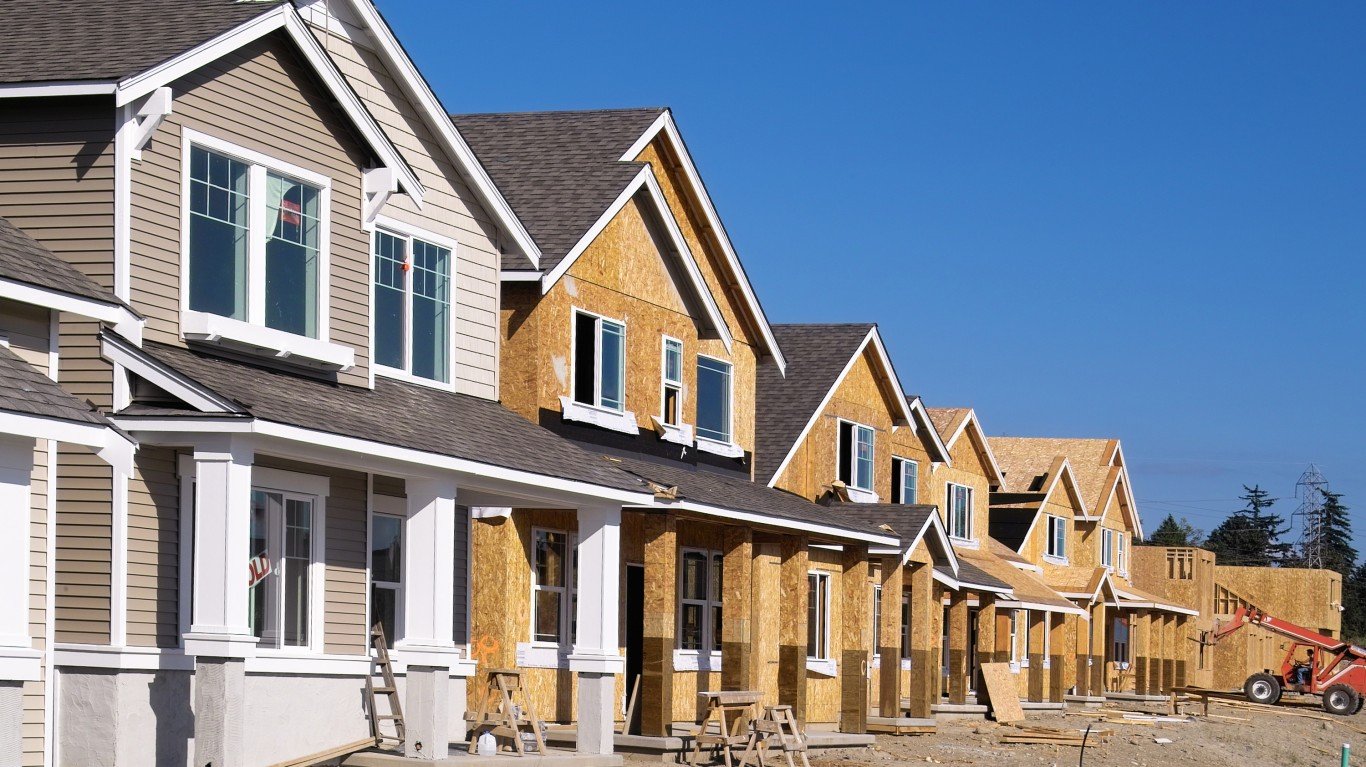
The U.S. housing market is stuck in an uncomfortable place. Mortgage rates remain near 7%, existing-home sales are falling, and builders are pulling back on construction as buyers struggle with affordability. In July, single-family housing starts fell 9.9% to a 3.5-year low, while total housing starts dropped 12.4% to a 1.239 million annual rate, according to the U.S. Census Bureau.
That makes Berkshire Hathaway‘s (NYSE:BRK-A | BRK-A Price Prediction)(NYSE:BRK-B) renewed housing bet particularly interesting. Under CEO Greg Abel, Berkshire finally started putting its enormous cash pile to work in the second quarter — and homebuilders were among its targets.
Abel Is Buying Into Housing’s Weakness
Berkshire purchased $23.5 billion of stocks in the second quarter while selling $3.7 billion, making it a net buyer by $19.8 billion after 14 consecutive quarters of net selling. Its cash and Treasury holdings still totaled $364.7 billion at June 30, down from $397.4 billion three months earlier.
Among the housing moves, Berkshire initiated a position in D.R. Horton (NYSE:DHI), increased its Lennar (NYSE:LEN) stake by nearly 30%, and maintained its investment in NVR (NYSE:NVR).
Then there is the bigger bet: Berkshire completed its $6.8 billion acquisition of Taylor Morrison in July at $72.50 per share. The transaction gave Berkshire another major homebuilding operation alongside its existing Clayton Properties Group businesses.
Berkshire isn’t merely buying a few beaten-down stocks. It is building a larger housing operation.
This Isn’t Buffett’s First Housing Detour
The intriguing part is that Berkshire has been here before — and it didn’t always stay.
In 2023, Buffett bought nearly 6 million D.R. Horton shares, worth about $726.5 million, along with 152,572 Lennar shares and 11,112 NVR shares.
But Berkshire sold the entire D.R. Horton position within months. That was unusual for Buffett, whose investment philosophy generally emphasizes owning exceptional businesses for years rather than trading around economic cycles. He started buying again last year.
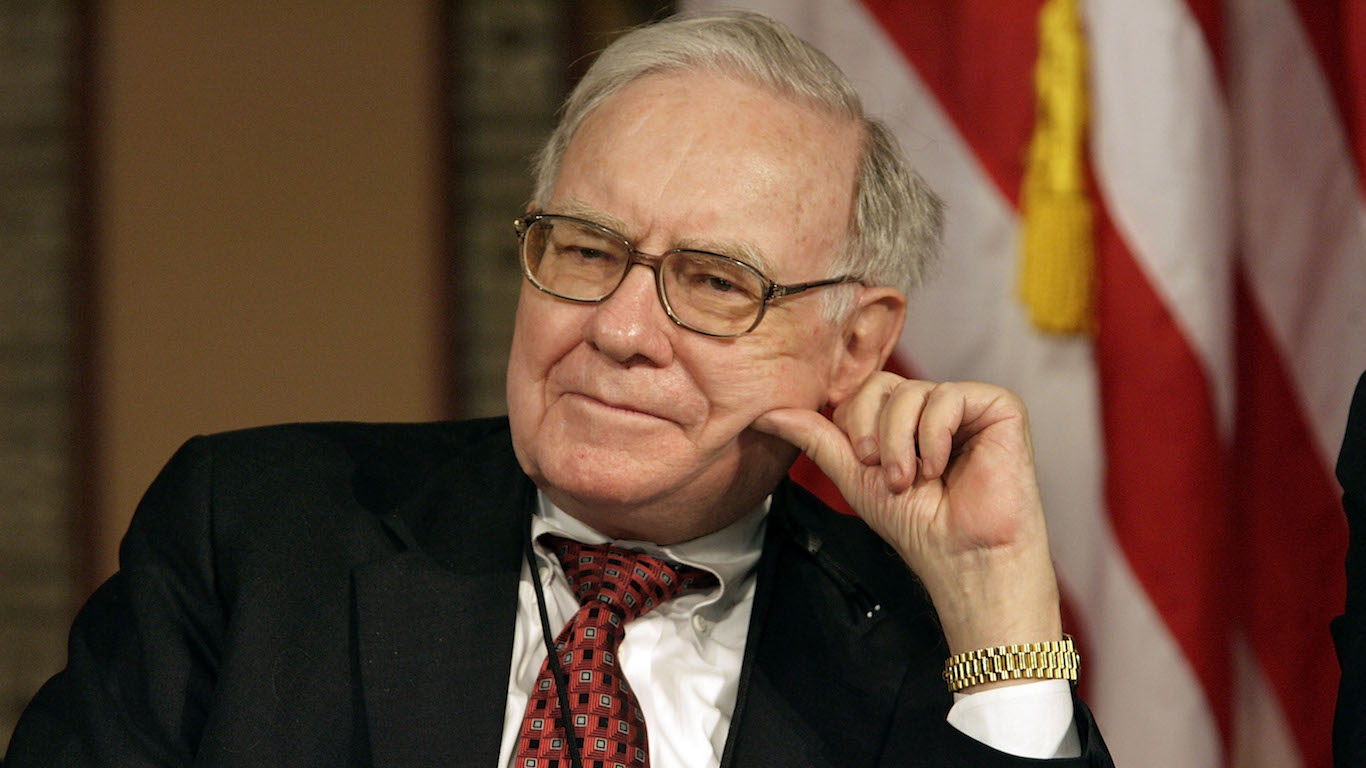
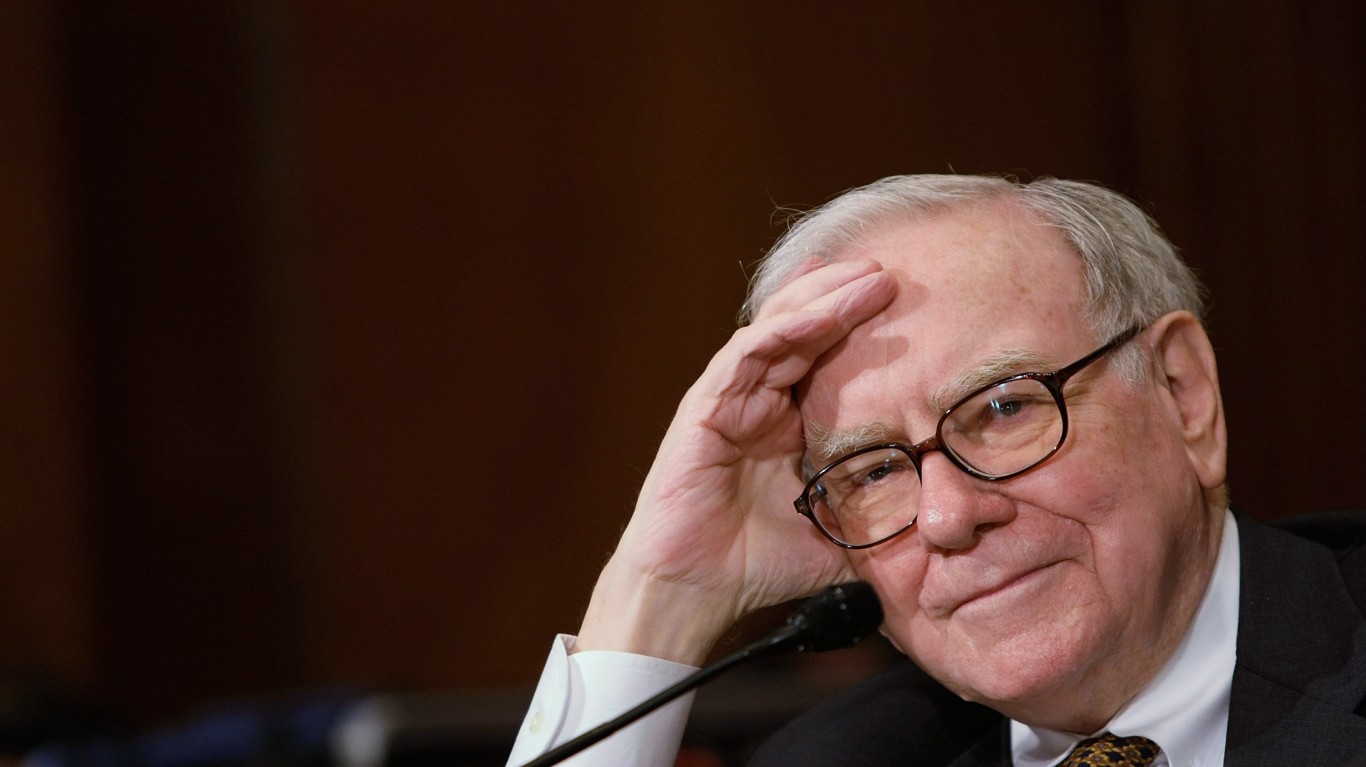
Now Buffett is no longer running Berkshire’s day-to-day operations. Abel took over as CEO in January, although Buffett remains chairman and continues to influence investment decisions. Reuters reported that Abel now oversees about 94% of Berkshire’s stock holdings.
That makes the current housing push worth watching. It could represent Buffett’s philosophy carried forward — or Abel putting his own stamp on Berkshire’s capital allocation.
Berkshire May Be Right — Just Early
The bullish case is straightforward. Housing remains structurally undersupplied, while large builders such as D.R. Horton and Lennar have scale, land inventories, and the financial flexibility to survive weak cycles. The problem is timing.
The average 30-year mortgage rate was 6.67% on Aug. 19, according to Bankrate, while another recent reading showed rates at 6.77%. Existing-home sales fell 1.7% in July to a 4.06 million annual rate, according to the National Association of Realtors, while the median price reached $434,100.
Builder sentiment isn’t much better. The National Association of Home Builders/Wells Fargo Housing Market Index rose to only 35 in August and has remained below 40 for 16 straight months. Nearly two-thirds of builders are offering incentives, while roughly 30% are cutting prices.
Granted, that is precisely when a value investor wants to buy. Berkshire doesn’t need housing to rebound next quarter. It needs its investments to generate attractive returns over many years.
But investors shouldn’t confuse Berkshire’s patience with a market bottom. Mortgage rates could move higher, sales could weaken further, and homebuilders could face additional margin pressure before conditions improve.
Key Takeaway
In short, Berkshire’s housing bet makes strategic sense — but that doesn’t mean the timing is perfect.
Abel is buying an out-of-favor industry with nearly $365 billion still sitting on Berkshire’s balance sheet. That’s classic Berkshire behavior. Yet the company’s previous D.R. Horton exit shows even Buffett could change course when housing stocks moved against his thesis.
For long-term shareholders, Berkshire’s scale makes this a bet worth watching rather than blindly copying. The better interpretation may be that Abel sees value in housing several years out. The stocks may fall further first.
Contact [email protected] for any questions or corrections.
After two decades of patrolling the dark corners of suburbia as a police officer, Rich Duprey hung up his badge and gun to begin writing full time about stocks and investing. For the past 20 years, he’s been cruising the markets looking for companies to lock up as long-term holdings in a portfolio while writing extensively on the broad sectors of consumer goods, technology, and industrials. Because his experience isn’t from the typical financial analyst track, Rich is able to break down complex topics into understandable and useful action points for the average investor. His writings have appeared on The Motley Fool, InvestorPlace, Yahoo! Finance, Money Morning, and, of course, 24/7 Wall St. He has been featured in both U.S. and international publications, including MarketWatch, Financial Times, Forbes, Fast Company, and USA Today.