Greg Abel Broke Warren Buffett’s 14-Quarter Selling Streak. Here’s Where the Money Went
Greg Abel just made his boldest move as Berkshire's new CEO, deploying billions into three distinct bets that reveal exactly what he thinks comes next for markets and housing.

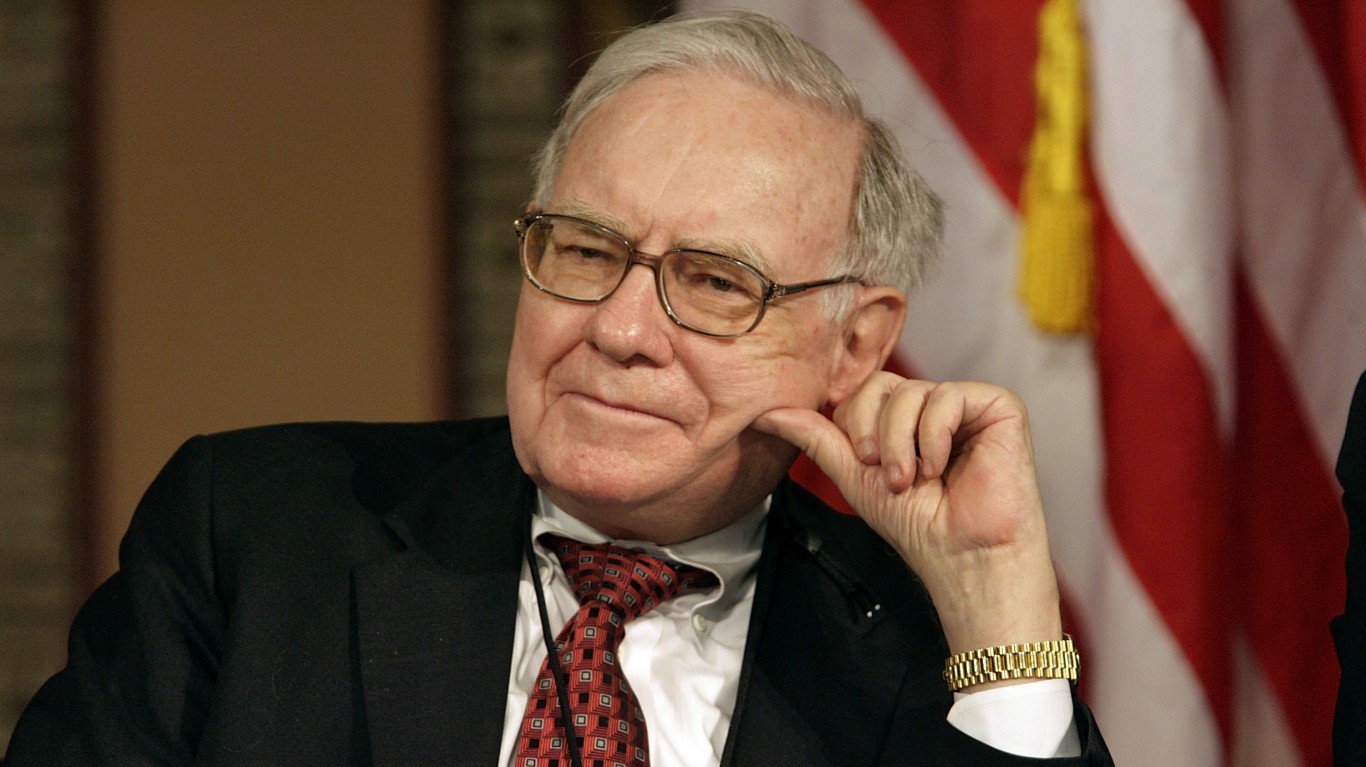
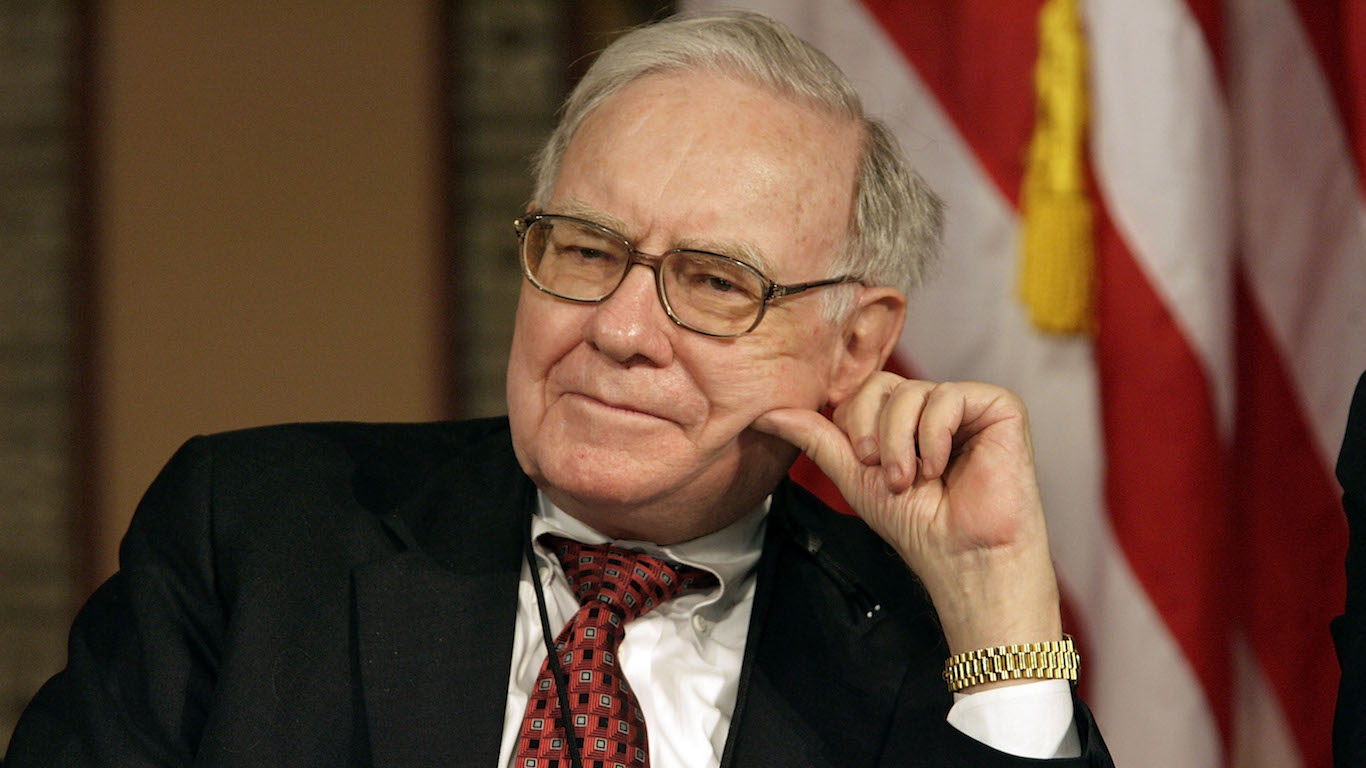
Greg Abel, in his first year as chief executive of Berkshire Hathaway (NYSE:BRK-A | BRK-A Price Prediction, NYSE:BRK-B) deployed roughly $23.5 billion into equities during the second quarter of 2026, ending a stretch of about three years in which Berkshire had sold more stock than it bought.
The reversal was disclosed in the 8-K filed on August 11, 2026. The destinations of the money reveal a coherent capital allocation stance from a new operator, putting a record cash pile of $380 billion at the end of Q1 2026 back to work. A $10 billion private placement in Alphabet (NASDAQ:GOOG, NASDAQ:GOOGL) that closed June 4, a fresh add to Lennar, an outright cash acquisition of homebuilder Taylor Morrison, and roughly $4.5 billion of repurchases of Berkshire’s own shares signal Abel’s priorities. For a retirement-focused investor taking cues from Berkshire, the question is which moves are reachable for an individual investor and which remain structurally out of reach.
The Alphabet Placement Was a Private Deal
Berkshire took the Alphabet shares directly from the company in a negotiated private placement, rather than accumulating them in the open market as an ordinary buyer would. That is a transaction an ordinary investor cannot replicate.
Alphabet’s Q2 revenue grew 24.2% year over year to $119.80 billion, with Google Cloud accelerating to 82% growth and CapEx running at $44.92 billion in a single quarter as the company builds AI infrastructure at scale. Every dollar of that CapEx flows to the power, cooling, and networking suppliers behind the data centers, seven of which we profiled in a free report you can grab here.
The business is capital-hungry in a way that suits Berkshire’s balance sheet and is unfriendly to smaller holders. Alphabet suspended its buyback in Q2 2026 and raised roughly $70 billion in combined equity and debt to fund the build. Abel used Berkshire’s cash to become one of the sources of that equity on preferential terms, likely at a negotiated discount to the market. A retail investor buying GOOGL on August 14 paid $345.90, up 70.93% over the prior year. The thesis is reachable, though the pricing terms remain exclusive to Berkshire.
Housing Is the Other Half of the Trade
Abel is spending most freely on housing, where the arithmetic is friendlier to individual investors. Alongside its investment in Lennar (NYSE:LEN), Berkshire agreed on May 31 to acquire Taylor Morrison outright for $72.50 per share in cash and closed the deal on July 24. Taylor Morrison (NYSE:TMHC) last traded at $72.45 on the closing date, essentially at the deal price. Lennar is down 32.11% over the past year, and CEO Stuart Miller told shareholders that buyer incentives had narrowed to 12.9% from levels closer to 14%, describing the gap as narrowing “for the first time in three years.”
June housing starts came in at 1.43 million annualized units, inside the healthy range, and the Case-Shiller index sat at 335.1 in May, near the top of its historical distribution. Abel is buying builders while volumes are firm and prices are elevated.
What This Means for a Retail Investor
The buyback signal is the cleanest. Berkshire repurchased its own shares aggressively when the stock traded near book value, a P/B near book value against a low double-digit P/E, and the shares are up only 0.27% year to date. That is management telling shareholders the stock is fair value at current levels.
The Alphabet placement offers a thesis worth studying even where the terms remain out of reach for individuals. The homebuilder call is the one an ordinary investor can most literally follow, provided the view is that incentive normalization is real, and that rate relief eventually arrives. Following Abel here means accepting cyclical risk in exchange for a long-duration housing shortage that remains unresolved.
Contact [email protected] for any questions or corrections.
Omor Ibne Ehsan is a writer at 24/7 Wall St. He is a self-taught investor with a focus on growth, cyclical, and dividend equities that have strong fundamentals, value, and long-term potential. He also has an interest in high-risk, high-reward investments such as penny stocks.