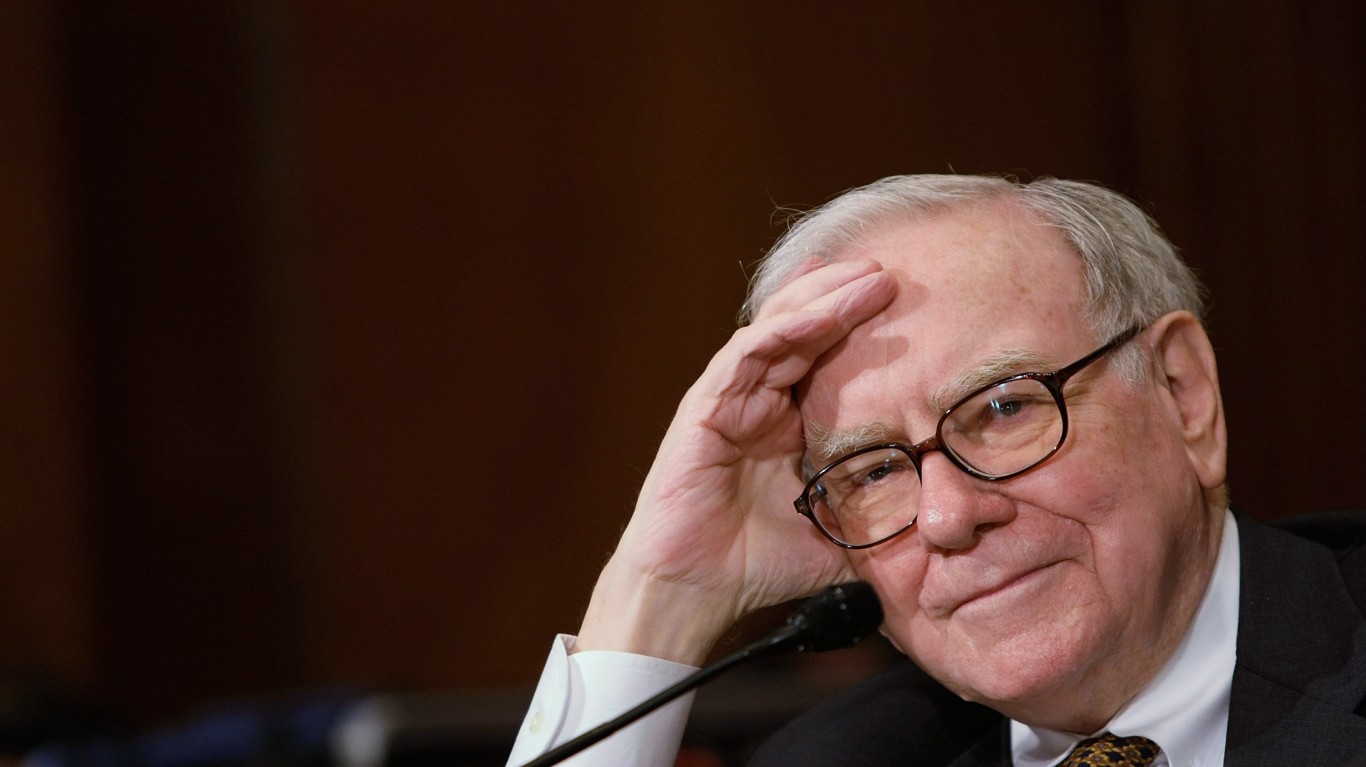
Legendary Investor Warren Buffett Is Resigning as Berkshire Chairman
Warren Buffett is stepping away from the company he built over six decades into a near-trillion-dollar empire, and the man now holding the keys has already made a $23 billion bet that reveals exactly where Berkshire is headed next.

This post may contain links from our sponsors and affiliates, and Flywheel Publishing may receive compensation for actions taken through them.
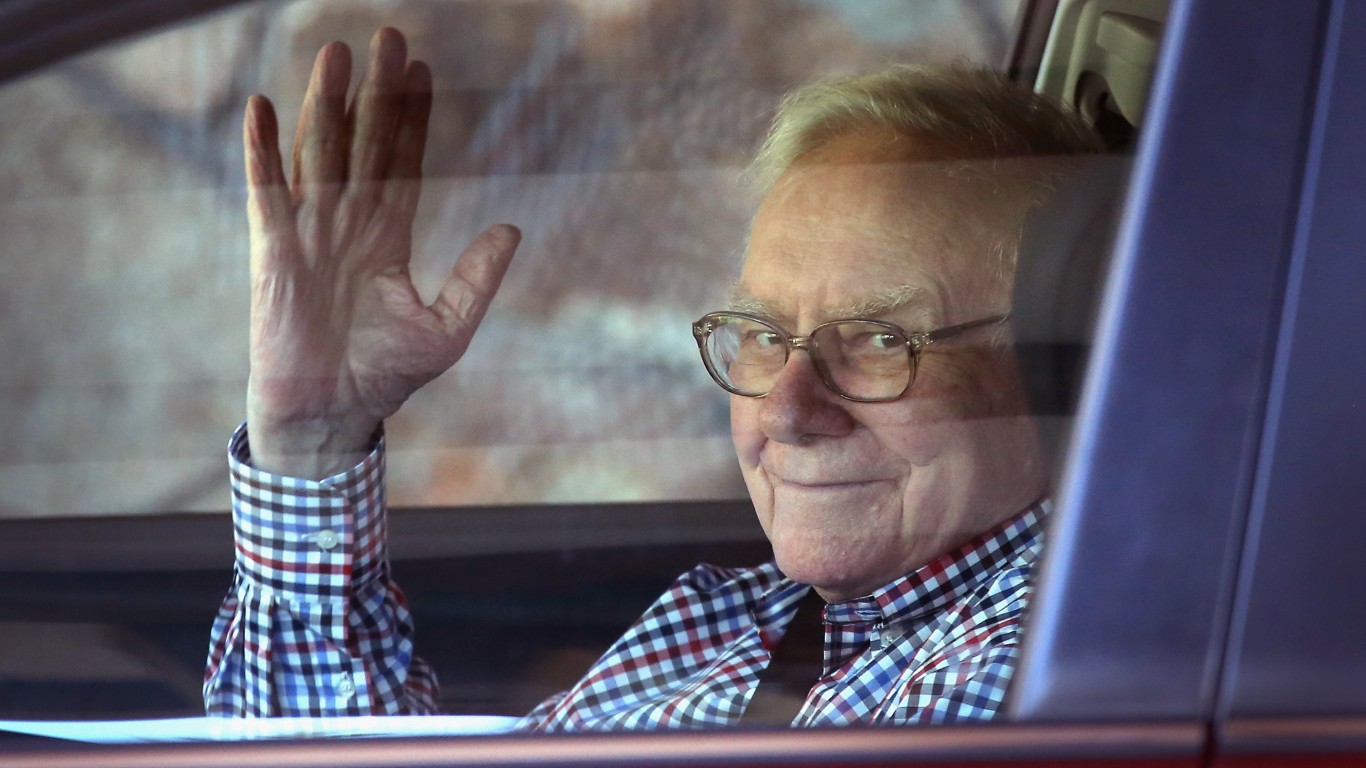
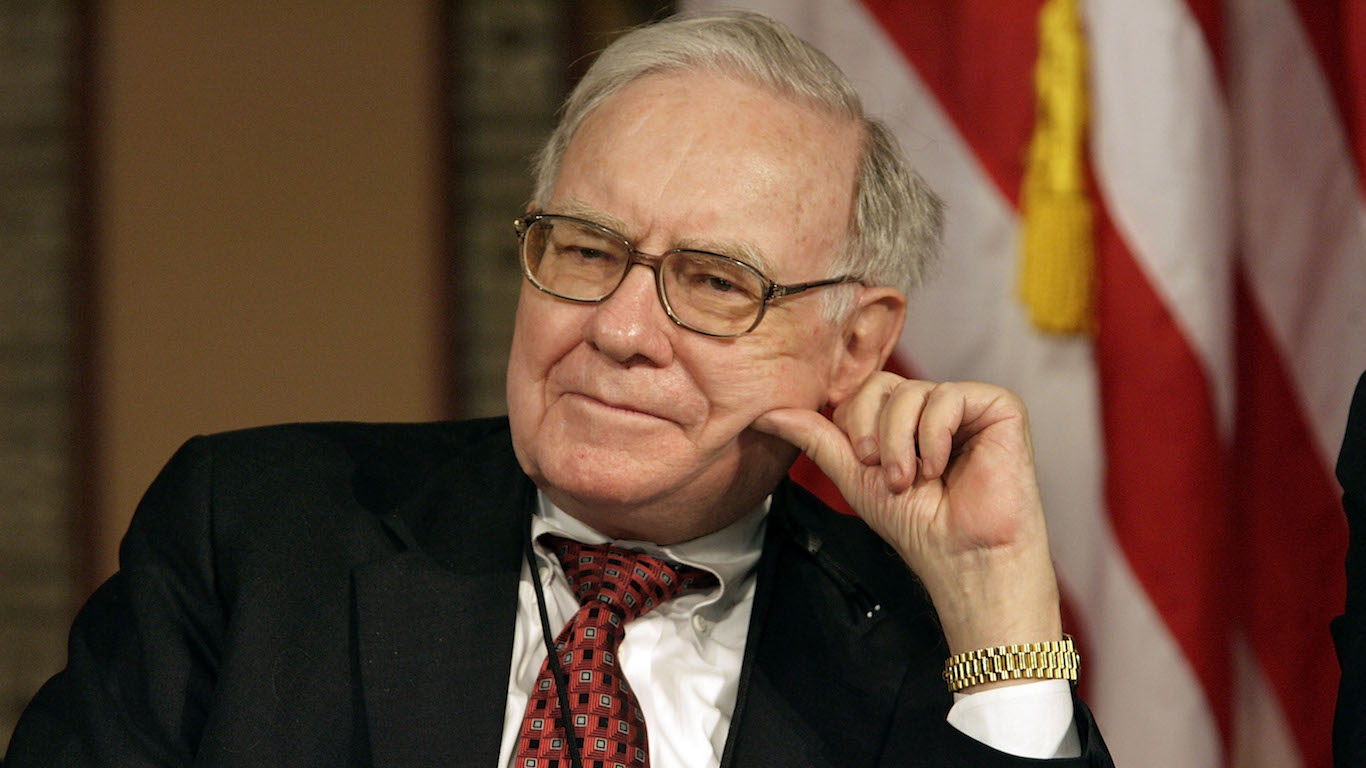
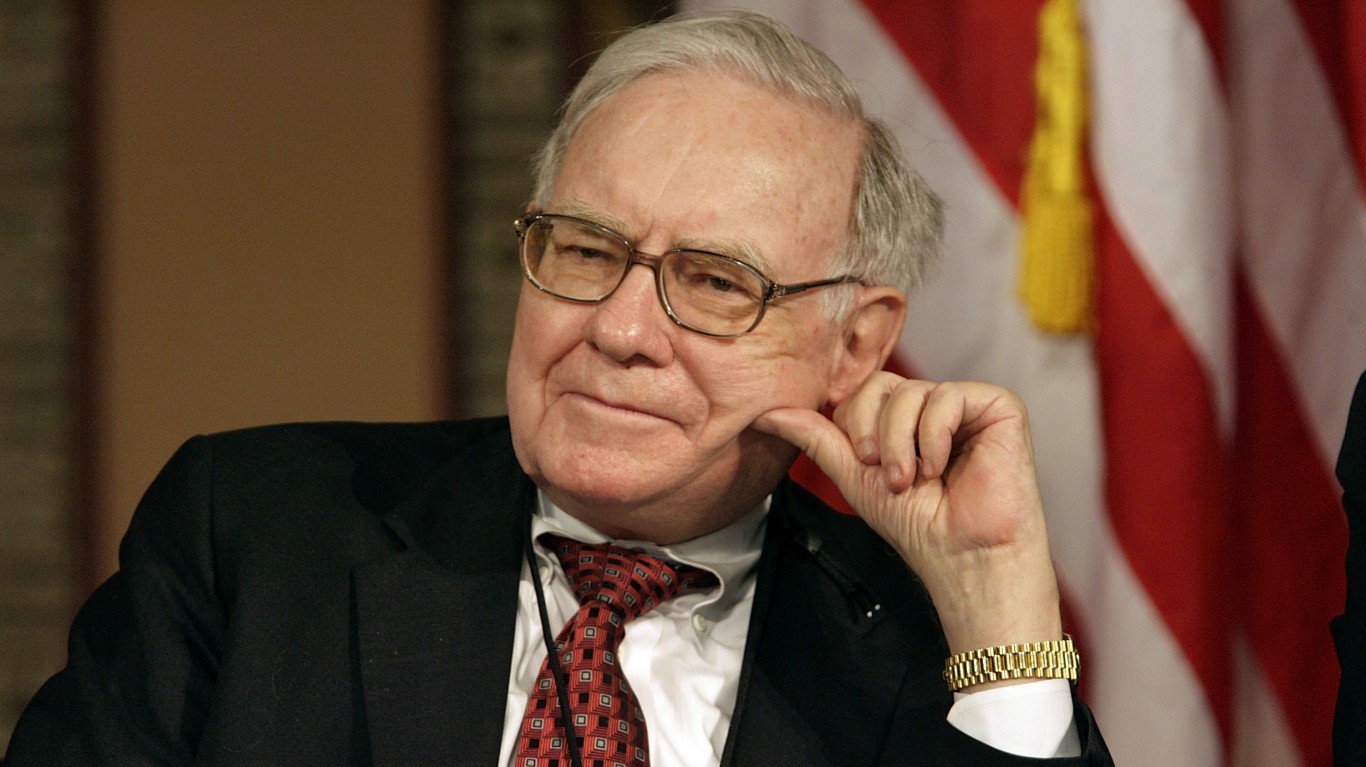
Markets have become accustomed to corporate leaders eventually moving on, but few departures carry the weight of Warren Buffett leaving the chairman’s office at Berkshire Hathaway (NYSE.BRK-A | BRK-A Price Prediction)(NYSE:BRK-B). Buffett has been synonymous with Berkshire since taking control in 1965, turning a struggling textile company into a near-$1 trillion conglomerate. Now, at 96, he is handing over the chairman’s job while leaving investors with something more valuable than a farewell: a succession plan that has been years in the making.
Six Decades Of Buffett
The numbers explain why this transition is important. According to Berkshire’s 2025 annual report, the company’s per-share market value compounded at 19.7% annually from 1965 through 2025, versus 10.5% for the S&P 500 with dividends. That turned into a 6,099,294% cumulative gain for Berkshire shareholders, compared with 46,061% for the index.
Buffett is stepping down as chairman effective immediately and becoming chairman emeritus, but he isn’t disappearing. Berkshire’s announcement this morning says he will remain on the board and continue providing his judgment and perspective.
The reason for the timing is straightforward: Buffett says Father Time wins. More importantly, he believes the company is ready. In his shareholder letter, Buffett said Greg Abel has already been making the decisions that matter and that he has not needed to second-guess them.
Abel Runs Berkshire, Howard Guards It
Abel is now the person investors should watch. He became Berkshire’s CEO in January and has already demonstrated that he is willing to put the company’s enormous cash pile to work.
The biggest example is Alphabet (NASDAQ:GOOG). Berkshire invested $10 billion in Alphabet’s June private placement, and by June 30 had accumulated roughly 106 million shares worth $37.8 billion, making it Berkshire’s third-largest stock holding. The SEC filing and Berkshire’s second-quarter disclosures show that Berkshire was a net buyer of stocks during the quarter, investing $23.5 billion while selling $3.7 billion.
That is a change in pace, but not necessarily a break with Buffett’s philosophy. Abel has favored businesses with durable economics, strong competitive positions, and long-term growth potential. Google gives Berkshire exposure to artificial intelligence while fitting its preference for a dominant, cash-generating business.
Howard Buffett’s job is different. He becomes chairman, but Abel remains responsible for running Berkshire and making its major capital-allocation decisions. Howard has been a Berkshire director since 1993, giving him 33 years on the board. Buffett described him as a guardian of Berkshire’s culture and values — essentially a shareholder-owned insurance policy that investors hope they never need to use.
Hold Berkshire, but Watch Abel
It is important to understand what investors are buying now. Berkshire is no longer a one-man investment operation. That is precisely the point of the succession plan.
Buffett’s departure removes an extraordinary source of judgment, and Abel will eventually have to prove that Berkshire can allocate capital successfully without Buffett looking over his shoulder. But the evidence so far is encouraging in one important respect: Abel isn’t simply dismantling the Buffett playbook. He’s adapting it.
For existing shareholders, that makes holding Berkshire reasonable rather than rushing for the exits. For new investors, the transition argues for patience rather than treating Buffett’s departure as either a crisis or a clearance sale.
Key Takeaway
In short, Buffett’s retirement closes the greatest chapter in Berkshire’s — and arguably the market’s — history, but it doesn’t close the investment case. A 19.7% annualized return over six decades is impossible to replicate, yet Berkshire still has a massive collection of operating businesses, hundreds of billions of dollars in capital, and a CEO Buffett says has already earned his confidence.
The Buffett premium is gone. The Berkshire machine remains. For long-term investors, that makes Berkshire Hathaway a stock to hold and consider buying gradually, while watching Abel’s capital-allocation record closely.
Contact [email protected] for any questions or corrections.
After two decades of patrolling the dark corners of suburbia as a police officer, Rich Duprey hung up his badge and gun to begin writing full time about stocks and investing. For the past 20 years, he’s been cruising the markets looking for companies to lock up as long-term holdings in a portfolio while writing extensively on the broad sectors of consumer goods, technology, and industrials. Because his experience isn’t from the typical financial analyst track, Rich is able to break down complex topics into understandable and useful action points for the average investor. His writings have appeared on The Motley Fool, InvestorPlace, Yahoo! Finance, Money Morning, and, of course, 24/7 Wall St. He has been featured in both U.S. and international publications, including MarketWatch, Financial Times, Forbes, Fast Company, and USA Today.