13 States Where Retirees Can Take 401(k) or IRA Withdrawals State-Tax-Free in 2026
Where you retire could quietly cost you thousands each year in taxes on money you already saved, and a handful of states have built rules that let qualifying retirees keep far more of every withdrawal they take.


Retirement withdrawals can already come with a tax bill, but where you live can make a big difference in how much of that money you actually keep. In 2026, 13 states allow qualifying retirees to take distributions from 401(k)s or IRAs without paying state income tax on that money. Some make the list because they do not levy a broad personal income tax at all, while others specifically exclude certain retirement income from taxation.
That does not mean every withdrawal is automatically tax-free. Federal income taxes can still apply, and states such as Iowa, Mississippi, and Pennsylvania have their own eligibility rules or restrictions. But for retirees deciding where to live, how much to withdraw, or how far their savings might stretch, state taxes are worth paying attention to. Here are the 13 states where qualifying 401(k) and IRA withdrawals can escape state income tax in 2026.
Alaska

Alaska has no individual state income tax, so a resident does not owe Alaska income tax on distributions from a traditional 401(k) or IRA. That does not erase the federal bill: taxable withdrawals from traditional retirement accounts can still be included in federal income. For retirees comparing states, Alaska’s advantage here is simple: there is no state income-tax layer on the withdrawal.
Florida

Florida does not impose a personal income tax, which means 401(k) and IRA distributions are not taxed by the state. Traditional account withdrawals can still be taxable federally, but Florida does not add its own income tax on top. That is one reason the state remains attractive to retirees who expect to draw a meaningful share of their income from retirement accounts.
Illinois

Illinois has a 4.95% individual income tax in 2026, but qualifying retirement income gets a major carve-out. The state allows taxpayers to subtract federally taxed income from qualified employee benefit plans, including 401(k)s, and from IRAs; Illinois guidance says early distributions from qualified plans and IRAs may also be included in the subtraction. Other kinds of income can still face Illinois tax.
Iowa

Iowa is the easy-to-miss addition that pushes this list from 12 states to 13. Since 2023, taxpayers age 55 or older, disabled taxpayers, and certain qualifying survivors can exclude eligible retirement income, including traditional IRAs and 401(k)s, from Iowa taxable income. Iowa otherwise has a 3.8% flat individual income-tax rate in 2026, so younger taxpayers taking ordinary distributions do not automatically get the same break.
Mississippi

Mississippi generally does not tax retirement income, pensions, or annuities when the recipient has met the retirement plan’s requirements. That treatment can cover retirement distributions from accounts such as 401(k)s and IRAs, but the state specifically warns that early distributions are not considered retirement income and may be taxable. Mississippi’s 2026 rate on taxable income above $10,000 is 4%.
Nevada

Nevada does not impose an individual income tax, so the state does not tax 401(k) or IRA distributions as personal income. Federal income tax can still apply to taxable traditional-account withdrawals, but there is no Nevada individual income-tax return waiting for retirees on the other side. The Nevada Department of Taxation reaffirmed the state’s no-individual-income-tax status in its March 2026 guidance.
New Hampshire

New Hampshire no longer has even its old tax on interest and dividends: the state repealed that tax for taxable periods beginning after Dec. 31, 2024. With no broad individual income tax in 2026, New Hampshire does not impose state income tax on 401(k) or IRA withdrawals. Traditional withdrawals may still be federally taxable, so the break is specifically at the state level.
Pennsylvania

Pennsylvania taxes many kinds of income at 3.07%, but qualifying retirement distributions can escape the state income tax. Employer-plan payments are generally exempt once the recipient has retired and met the plan’s age or service requirements; IRA distributions are generally exempt when they are not subject to an early-withdrawal penalty, such as after age 59½. Early distributions can be taxable, so this is not a blanket exemption for every withdrawal at every age.
South Dakota
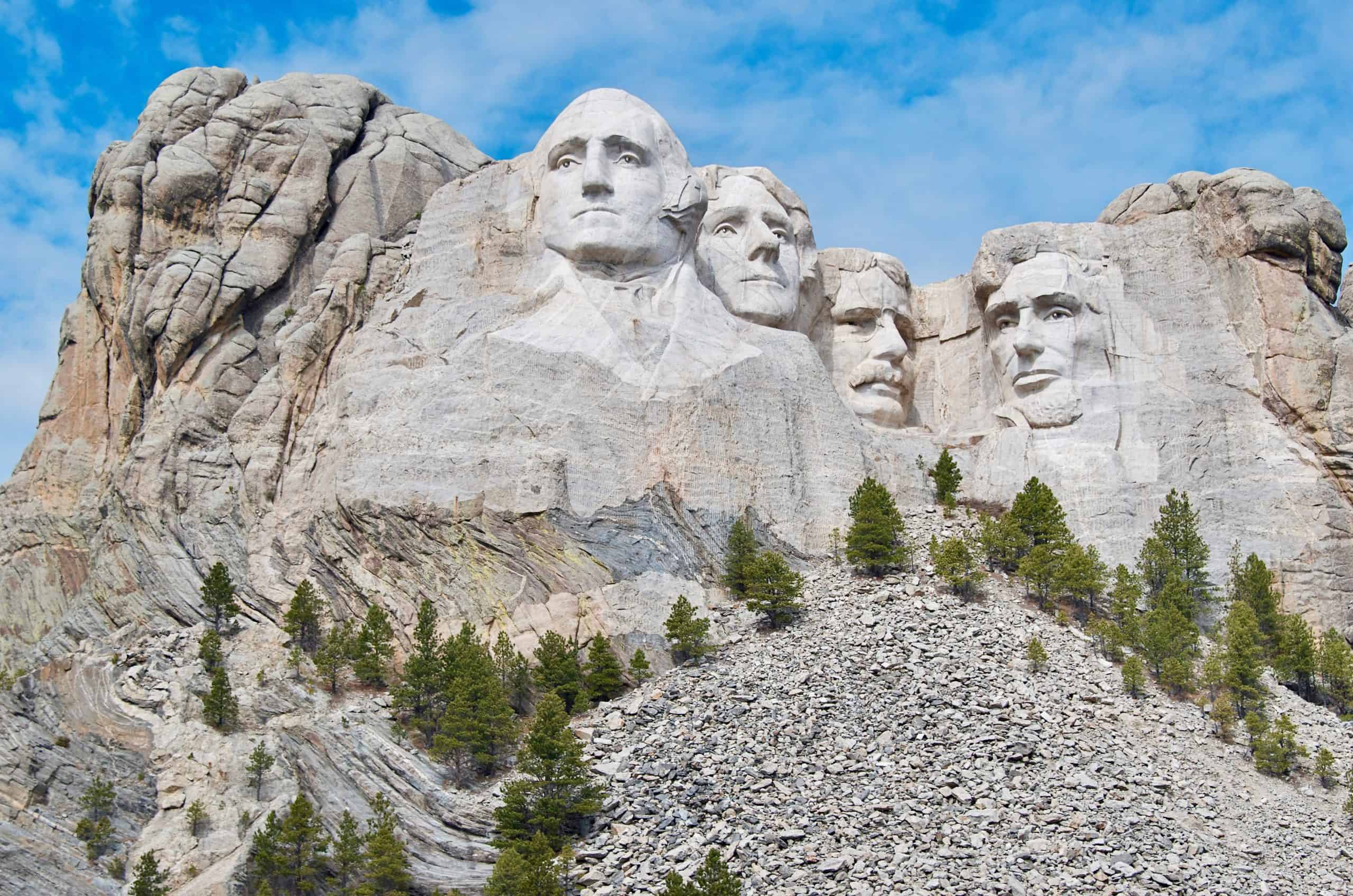
South Dakota does not impose a state individual income tax. As a result, retirees do not pay South Dakota income tax on distributions from a 401(k) or IRA, regardless of how large the withdrawal is. Federal tax rules still apply to traditional retirement accounts, but at the state level there is no income-tax bite on the distribution.
Tennessee

Tennessee is unusually explicit about this one: the Department of Revenue says distributions from IRAs and 401(k) plans are not subject to Tennessee tax. The state’s former Hall tax on interest and dividend income was fully repealed beginning in 2021, so there is no individual state income tax on these retirement withdrawals in 2026. Federal tax can still apply to traditional accounts.
Texas

Texas does not levy an individual income tax, so 401(k) and IRA distributions are not taxed as personal income by the state. The Texas Constitution also prohibits the legislature from imposing a tax on individuals’ net incomes. Retirees can still owe federal income tax on taxable traditional-account withdrawals, and Texas raises revenue through other taxes, but not a state personal income tax on the distribution itself.
Washington

Washington does not impose a personal income tax, so ordinary 401(k) and IRA distributions are not hit with a state personal income tax. Washington does have a separate capital gains tax, but the Department of Revenue specifically lists assets held in certain retirement accounts as exempt. In other words, the existence of Washington’s capital gains tax does not turn a normal retirement-account withdrawal into taxable state income.
Wyoming

Wyoming does not have an individual income tax, which keeps 401(k) and IRA withdrawals outside the state’s income-tax system. A retiree taking taxable money from a traditional account can still have a federal income-tax bill, but Wyoming does not add a state personal income tax to that distribution. The state government also notes that Wyoming has neither an individual nor a corporate income tax.
Data and Sources

- Alaska — Alaska Department of Commerce, Community, and Economic Development
- Florida — Florida Department of Revenue
- Illinois — Illinois Department of Revenue
- Iowa — Iowa Department of Revenue
- Mississippi — Mississippi Department of Revenue
- Nevada — Nevada Department of Taxation
- New Hampshire — New Hampshire Department of Revenue Administration
- Pennsylvania — Pennsylvania Department of Revenue
- South Dakota — South Dakota Department of Revenue
- Tennessee — Tennessee Department of Revenue
- Texas — Texas Comptroller of Public Accounts
- Washington — Washington State Department of Revenue
- Wyoming — State of Wyoming
Contact [email protected] for any questions or corrections.