Zuckerberg’s Free AI Agent Hit 5 Million Downloads And Google Still Has Its Own Locked Behind A Paywall
Meta just handed millions of users a free AI agent while Google keeps its own locked behind a subscription, and JPMorgan says the gap between those two strategies could gut one of the most valuable revenue streams in tech.

The AI race has moved from test rankings to personal agents on consumers’ phones. CNBC’s MacKenzie Sigalos reported that Meta Platforms (NASDAQ:META | META Price Prediction) has an estimated 5 million plus downloads for its free Muse agent three weeks after launch. Meanwhile, Alphabet (NASDAQ:GOOGL) has kept its Spark agent behind a paywall since May, and Spark still will not make calls or purchases for users.
Meta’s Free Agent Rides 3.6 Billion Users
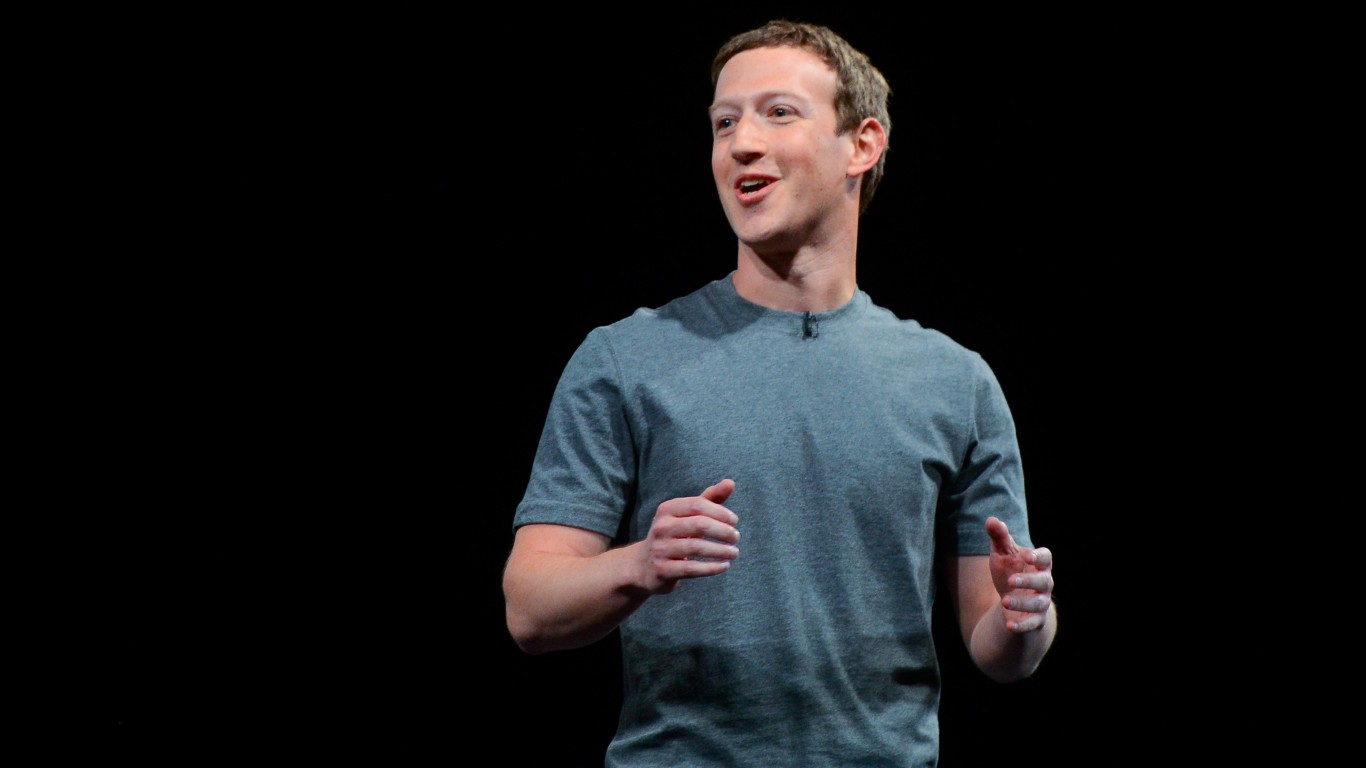
Meta CEO Mark Zuckerberg said Meta is making Muse free for a huge number of tokens and expects to earn money by taking a small fee on transactions. That plan depends on reach. In Q2 2026, daily active people across Meta’s family of apps hit 3.60 billion. On the July call, Zuckerberg described the approach:
“Rather than centralizing superintelligence, we are focused on distributing it widely and giving everyone the ability to direct it towards what matters to them.”
He added that Meta has “always focused on making our products affordable and accessible for everyone.” Usage supports the strategy. After Meta rebuilt its assistant around the Muse models, the number of people using it each day rose 60%.
Alphabet Shipped a Strong Model and Still Lost the Day
Gemini 4 Argon posted strong test in coding and cyber. Even so, Alphabet shares fell 1.43% on Oct 1 after the launch. Over the past month, Meta rose 27.07%, from $571.93 to $726.78. Alphabet slipped 0.07% over the same stretch.

Alphabet’s own numbers are big. Alphabet CEO Sundar Pichai said the Gemini app has 950 million monthly active users, and Google has built its consumer AI business around paid levels:
“This was our strongest quarter ever for our consumer AI plans, driven by the Gemini App. Overall the number of paid subscriptions has now reached 350 million.”
Sigalos said she expects some kind of public Spark launch “in the next few weeks.”
Microsoft Shows What the Paid Route Earns
Microsoft (NASDAQ:MSFT) is the clearest example of billing for AI up front. Microsoft 365 Copilot has passed 30 million paid seats. CEO Satya Nadella said:
“This year, Azure revenue surpassed $100 billion for the first time, and Microsoft 365 Copilot reached over 30 million paid seats.”
Meta’s free approach costs money now and pays off later, if at all. Q2 capex reached $30.12B, free cash flow fell to $784M, and EPS of $6.18 missed the $7.22 consensus estimate.

Agents That Move Money Put Google Search at Risk
JPMorgan warned that agents taking over shopping and travel could cut Google Search out entirely. The bank also said Google keeps shipping AI products without a breakout consumer hit. Search and other revenue was $63.27B in Q2, so a lot of money is exposed.
Investors are already responding. Jim Cramer said that since Muse launched, a gym operator has fallen more than 18%, Booking Holdings (NASDAQ:BKNG) is down 10%, and Expedia (NASDAQ:EXPE) is down 3%.
Three things matter next: when Spark reaches the public, whether Muse transaction fees show up in Meta’s Q3 results against guidance of $61-$64B, and whether search queries keep growing as agents start booking trips.
Data Sources
- CNBC: Alphabet slides on Gemini 4 agent gap: Muse download estimate, Spark paywall details, JPMorgan’s warning, and Sigalos’s launch schedule.
Contact [email protected] for any questions or corrections.
Jake has been been working in financial media for almost 15 years. He focuses on all things personal finance for 24/7 Wall St. with high hopes to educate and entertain. Most recently, Jake spent 12 years working various roles at The Motley Fool. He started copy editing fool.com content, worked on premium and marketing campaigns, and helped launch The Ascent, a personal finance brand.
His work has been featured on platforms like MSN, Yahoo Finance, USA Today, and more. He's written about credit cards, social security, ETFs, savings accounts, and just about anything else you can imagine when thinking about money. Jake love to cook, play golf, and tell people he's never had a cavity. (It's true!)