Excellent Old-Fashioned Money Habits
Your grandparents stretched every dollar without a single app or algorithm, and some of their most effective tricks have quietly vanished from everyday life. A few simple habit shifts could put serious money back in your pocket.

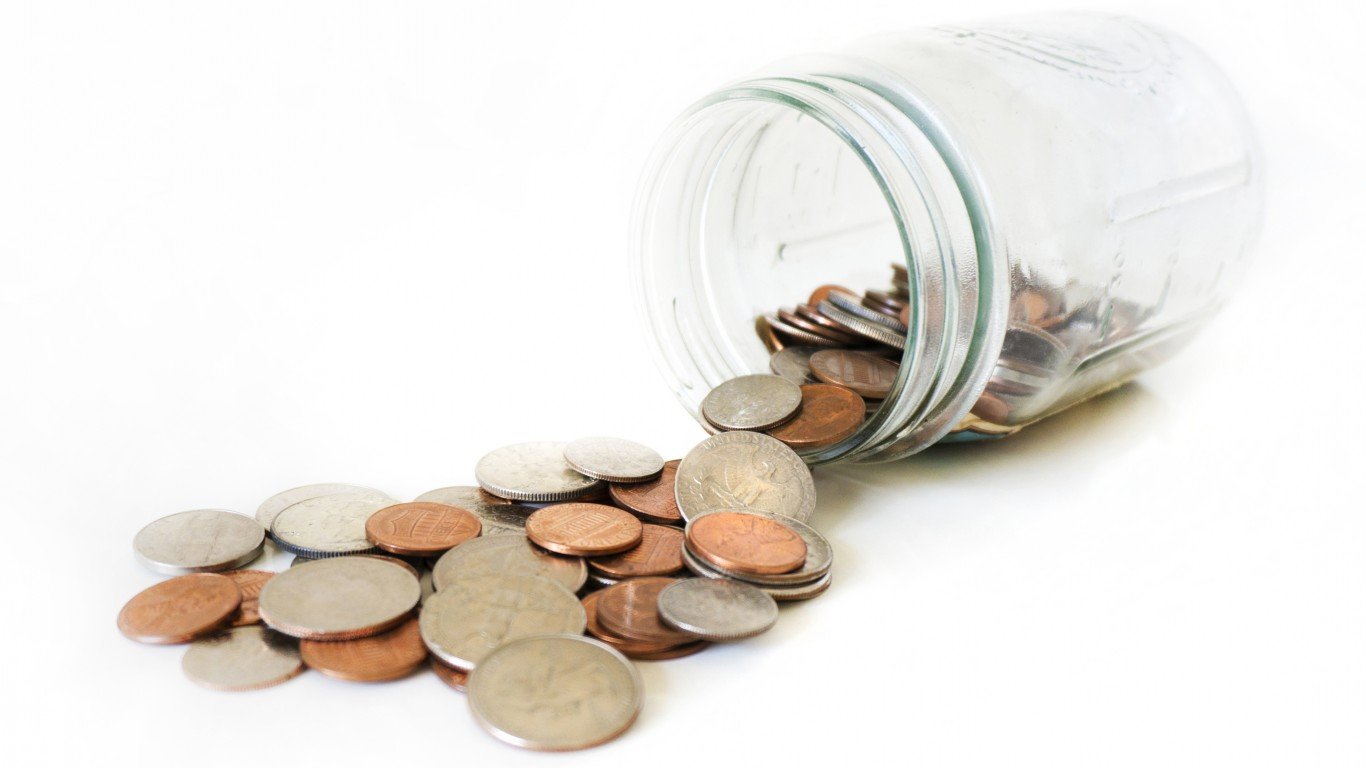
Our grandparents didn’t have all the tools we rely on today, like budgeting apps, online banking, or automatic savings. However, they did have plenty of practical ways to save or make their money go further. These older money habits were usually built around simple ideas, like thinking before you spend and wasting as little as possible. Some of these practices have largely disappeared from modern-day culture, but that doesn’t mean they stopped working. These old-school money habits are worth bringing back.
1. Keep a Coin Jar
Instead of letting coins drop between couch cushions or pile up in the bottom of a purse, people used to keep a designated coin jar. Once it filled up, those nickels, dimes, and quarters could become grocery money, fun cash, or part of the vacation fund. Loose change is less common today, as many of us don’t regularly use cash, but the same idea can work digitally. Today, we can round up purchases and move the difference into savings. Some banks and financial apps even do this for you automatically. Tiny amounts don’t seem like much on their own, but given enough time, they really add up.
2. Save for Christmas All Year
Christmas used to be something people saved for months in advance. Banks even offered Christmas Club accounts where customers deposited a little money over the course of the entire year. Once the holidays came around, they used the contents of these accounts instead of trying to stretch their regular monthly budget to accommodate gifts. These accounts are way less common today, but the strategy makes just as much sense today. Make a separate holiday fund and transfer a designated amount into it every payday. Saving $25 here and $50 there is much easier than suddenly finding hundreds of dollars in December. Christmas happens at the same time every year, so there’s no reason for it to feel unmanageable.
3. Write a List Before Going to the Store
This one sounds obvious, but many of us only lightly follow our shopping list or do not make a list at all. Some of us operate off a list in our heads. But there was a time when grocery shopping started at home. You looked through the refrigerator and pantry, figured out what you needed, and wrote it down. Once you got to the store, that list was exactly what you bought. You didn’t have to think “should I buy this?” because if it wasn’t on the list, it wasn’t allowed. It’s a simple and useful way to keep impulse purchases at a minimum. Modern stores are deliberately designed to tempt customers into spur-of-the-moment purchases. Likewise, shopping apps make adding “just one more thing” super easy. Decide what you need before you start shopping and stick as closely to the list as possible.
4. Hang Laundry Outside
A clothesline may be incredibly old-fashioned, but it’s difficult to argue with a method that runs entirely on sunshine. Dryers use lots of energy every time they run, while hanging clothes outside is free. Remember, this isn’t all or nothing. You don’t need to give up the dryer completely. Sheets, towels, and other easy-to-hang items can go outside on sunny days, while the dryer can handle everything else. The plus side is that air-drying is gentler on clothes and will help them last longer.
5. Each Event Gets a Set Amount of Spending Money
In the old days, there were no credit cards that could be endlessly swiped. An outing tended to come with a specific amount of cash. You might have $50 for the evening or $300 to spend on vacation. Once the money was gone, the spending was done. Credit cards make it much easier to lose track of spending because nothing changes physically. Your card will look the same in your hand no matter how many times you tap it. With cash, you can actually see your money disappearing. You can recreate the old system by leaving your card at home and bringing a designated amount of cash. Decide what you’re comfortable spending while you’re thinking rationally, instead of waiting until you’re standing in front of something you want.
6. Buy It Once and Buy It Right
Older generations were good at paying attention to how long something would last. A cheap pair of shoes isn’t the bargain you think it is if they fall apart and need to be replaced three times within a single year. Spending considerably more on a well-made coat, appliance, table, or pair of boots can save money when the item lasts for years. Of course, expensive doesn’t automatically mean high quality, so doing this well requires a little research. Look at materials, warranties, ease of repair, and reviews instead of just searching for the lowest price. In certain situations, the cheapest option really is the best choice. But most times, spending more upfront will save cash in the long run.
7. Have a Leftover Night
Throwing away food has become commonplace, but it is essentially throwing away money. Back in the day, people were much better at finding a use for whatever was in the refrigerator. One evening a week, pull everything out of the fridge and piece together dinner from what needs to be eaten. Half a roasted chicken can become sandwiches and vegetables can all go into a big salad or a stir-fry. The meal might not really go together, but it will be perfectly edible and might even be surprisingly delicious. The point is to eat what you’ve already paid for instead of buying more food. Look at leftover night as an opportunity to get a little creative in the kitchen.
8. Wait Before Making a Big Purchase
Curb impulse shopping by making a rule that you aren’t allowed to buy something without thinking about it for a specific period of time. Decades ago, shoppers might have gone home and “slept on it” before spending money. Give yourself the same rule today, even when it comes to online shopping. While shopping online, put an item in your cart and wait 48 hours before pulling the trigger. For a much larger purchase, give yourself a week. Once a little time passes, you might realize you don’t want it nearly as much as you thought. If you’re still thinking about it days later and it makes sense for your budget, you can click “Buy” knowing you gave it proper thought.
Contact [email protected] for any questions or corrections.