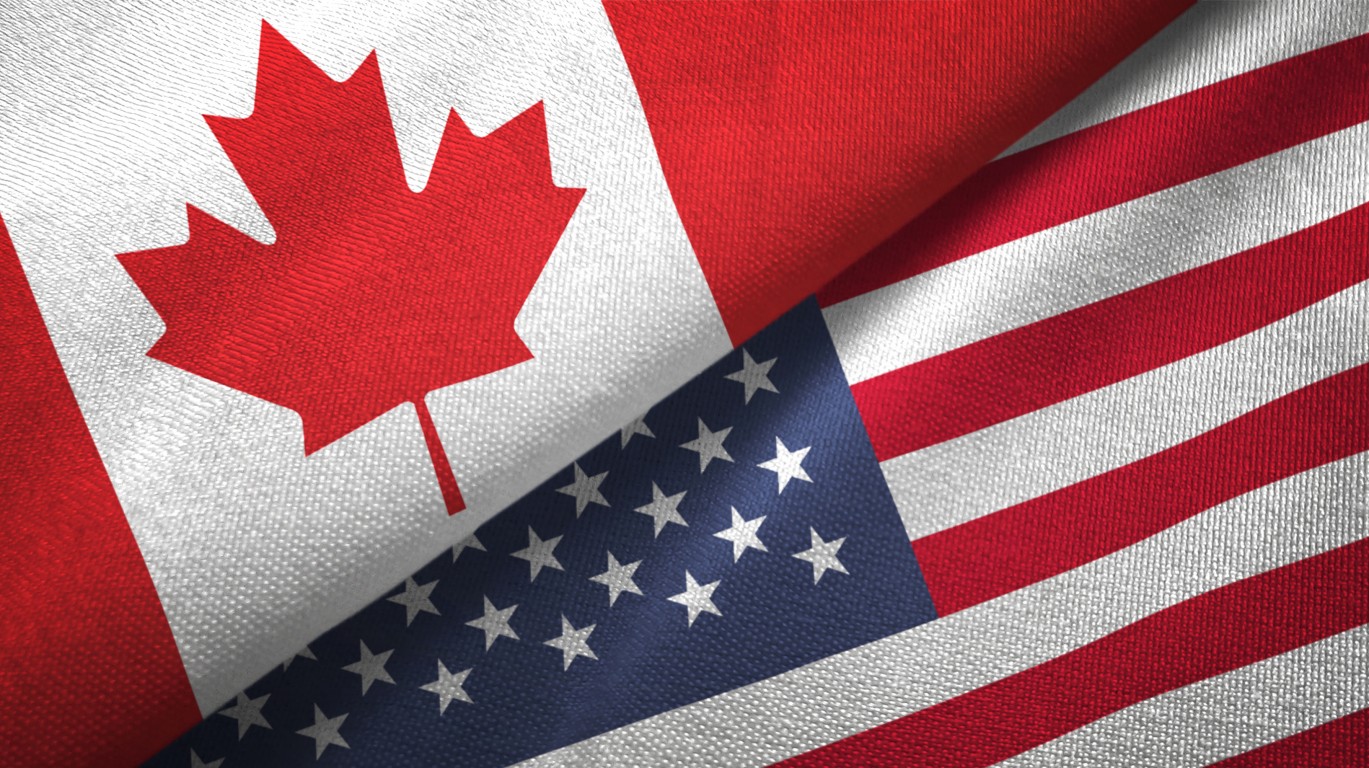
Former Trade Adviser Warns a U.S.-Canada Deal Is Unlikely “Anytime Soon”
A former White House trade negotiator who helped craft agreements during the first Trump term says Canada walked away from the most generous tariff offer the U.S. has made to any trading partner, and now four industries are bracing for…


Kelly Ann Shaw, a former White House trade advisor who negotiated trade agreements during the Trump administration, told CNBC on Monday that a near-term trade agreement between the US and Canada looks unlikely. In her assessment, Canadian domestic politics have frozen a deal that was on the verge of being signed, and investors with exposure to cross-border supply chains should prepare for a stalemate that could last months.
“I don’t think it’s hopeless, but I’m not hopeful for a resolution anytime soon,” Shaw said in the CNBC segment. However, the US and Canada will likely have to come to an agreement eventually.
Shaw Says Canada Walked Away at the “11th Hour”
Shaw argues that Prime Minister Mark Carney played a big role in the deal’s collapse. “I think the driving force of this collapse is really Canada’s domestic politics. It was Carney who made the decision to walk away from this deal at the 11th hour and took a victory lap over the weekend,” she said.
The sequence follows a Politico report that Trump had backed down from 50% tariffs on Canadian goods pending final terms, with Canadian officials publicly stating substantial progress had been made. In Shaw’s telling, Carney then walked away from a near-final agreement and declared victory.
The US Reportedly Put Its Best Tariff Offer on the Table
According to Shaw, the U.S. offer was unusually generous by the standards of this tariff cycle. “What the U.S. was effectively offering Canada is the most generous tariff cuts that they had offered to any trading partner so far, in exchange for Canada removing its retaliation and complying with what it already agreed as part of the USMCA agreement on dairy. The U.S. is not going to sweeten that deal,” she said.
She also noted that the U.S. waited a year before imposing countermeasures in response to Canada’s initial retaliation, and that most U.S.-Canada trade remains unaffected by the tariffs and retaliatory measures currently in place.
4 Industries Facing the Greatest Risk
Shaw flagged 4 industries that could be meaningfully affected: cement, dairy products, furniture, and consumer staples.
Companies with cross-border supply chains in building materials, home furnishings, packaged food, and dairy-linked inputs face the most direct margin exposure if the standoff drags on.
The latest reading from the Federal Reserve’s BOPGSTB series shows the U.S. trade deficit has narrowed to -$73.3 billion in June 2026. That figure sits inside the typical -$60 billion to -$80 billion band and does not yet reflect a shock from the Canada dispute.
Timeline and Escalation Risk
Shaw expects resolution to unfold over a series of months, contingent on Canadian domestic politics and economic pressure. “This will depend on the politics in Canada. When does Carney think it’s in his political advantage to strike a deal with the United States? When is the economic pain of some of these tariffs too much to bear?” she said.
She also flagged an escalation path. “We could see this tit-for-tat escalation that just continues to tick up. We could see the administration act immediately in response to Canada’s dollar-for-dollar tariffs,” Shaw said. She framed the strategic reality directly: “The United States and Canada have no choice but to make this relationship work across a whole host of issues, from economic to trade to national security.”
Key Takeaways
Shaw expects the U.S.-Canada dispute to persist until political or economic pressure pushes Canada back toward negotiations. In the meantime, companies exposed to cement, dairy, furniture, and consumer staples face the greatest risk. A deal remains possible, but investors should prepare for months of uncertainty and the possibility of further tariff escalation.
Contact [email protected] for any questions or corrections.
Thomas Richmond is a financial writer and content strategist with 5+ years of experience covering stocks and financial markets. He has published over 500 articles focused on individual stock analysis, helping investors better understand business fundamentals, stock valuations, and long-term opportunities.
Thomas previously served as a Content Lead at TIKR, a stock research platform, where he helped scale the company’s blog to hundreds of articles per month and contributed to a weekly newsletter reaching more than 100,000 investors.
Outside of work, Thomas enjoys weight lifting and soccer.