Druckenmiller Just Turned On His Own Protege, and Bond Investors Should Take the Hint
Stanley Druckenmiller trained Scott Bessent in the art of macro investing, which makes his public attack on Bessent's bond buyback program something bond investors cannot afford to dismiss as a political quarrel.

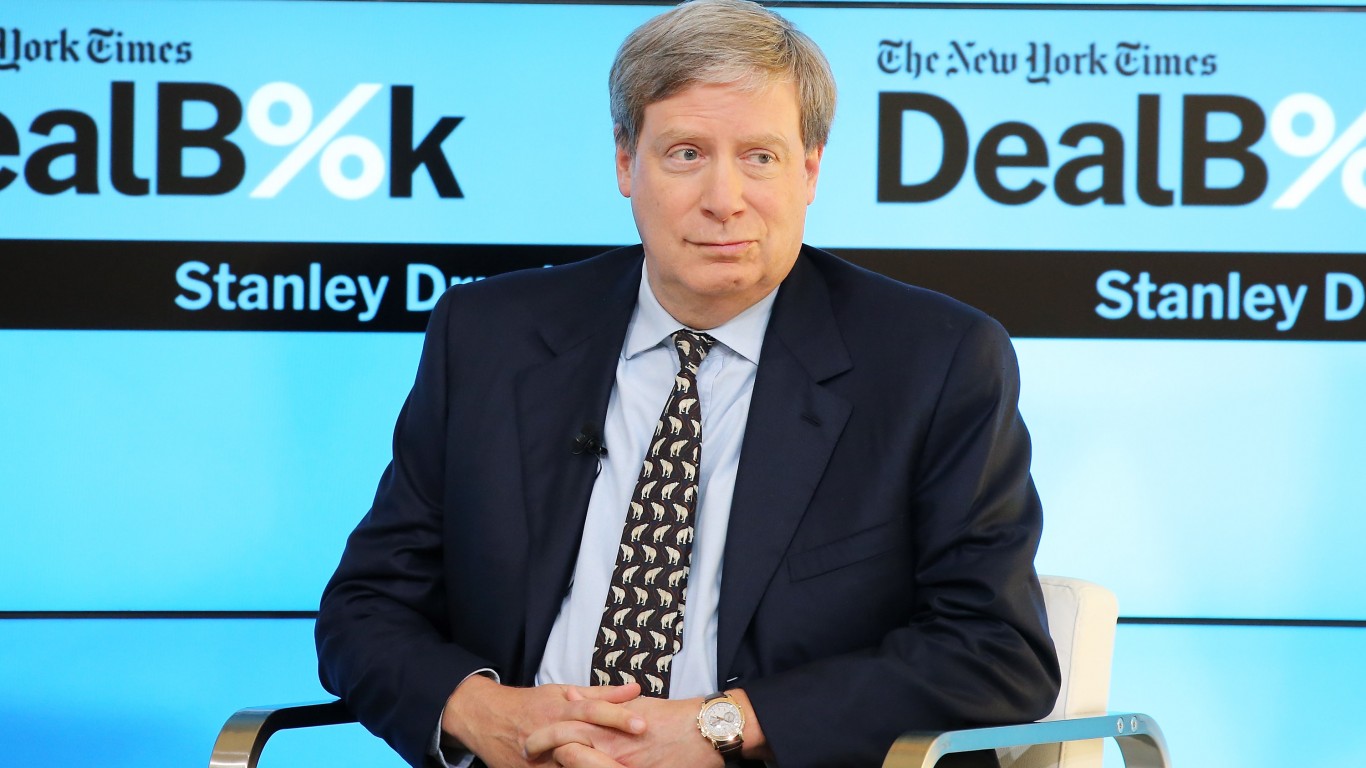
Treasury Secretary Scott Bessent spent Tuesday defending his bond buyback program, and the loudest critic is the man who trained him. Stanley Druckenmiller called the plan a mistake, framing what Treasury describes as liquidity support as more like price management. A strategist on Bloomberg’s Daybreak Europe program on August 25 made the same case in blunter terms.
The 10-year Treasury yield closed at 4.70% on August 24, and the 30-year Treasury yield stood at 5.17% on August 25, both near multiyear highs. The next scheduled buyback operation lands September 9, which gives investors a clean date to test whether the program does what its defenders claim.
Druckenmiller mentored Bessent at Duquesne Capital, and their macro frameworks overlap, making this a fight about mechanics rather than politics. Bond investors should read the disagreement as a supply-side warning. The strategist’s argument is that buybacks can slow the rise in long yields without reversing it.
What a Buyback Actually Does
A Treasury buyback is a liability management operation. The Treasury repurchases older, less liquid bonds on the secondary market and reissues them elsewhere along the curve, shifting the maturities the government owes money on.
The program leaves the size of Treasury borrowing untouched. Total debt outstanding is set by the deficit, and buybacks reshuffle the maturity profile without shrinking the pile.
There is a legitimate case for doing this. Older off-the-run Treasuries trade poorly, and mopping them up improves market functioning by tightening liquidity premiums on newer issues.
The Bloomberg strategist accepted that logic and then set its limit. “Scott Bessent, the investor, knows very well what he’s doing and he’s tinkering at the margin. But as Treasury secretary he doesn’t really have a choice. Yields are going up every single day. He’s got to stop the deluge.” Tinkering at the margin is the useful description.
Why Deficits Are Setting Long Yields
Long yields are high because investors are absorbing more than a trillion dollars of new Treasury supply every year. And no maturity reshuffle changes the size of that ask.
Real yields tell the same story. The 30-year TIPS yield stood at 2.92% on August 25, and the 10-year real yield at 2.32%. Investors are demanding meaningful real compensation to lend across the curve.
The 10-year minus 2-year spread was 0.47% on August 25, so the curve is upward sloping. The long end is doing most of the moving. Term premium is doing the driving here.
The strategist’s harder point was fiscal. “What he fundamentally needs to do, as I said, is to address the deficit. That’s not exactly something he’s got too much wiggle room on. The deficit bill is already over one trillion per year. That needs to come down a lot for this to work.” Druckenmiller has argued the same thing for years.
Watch September 9 Before Drawing Conclusions
The next buyback operation lands September 9. That is the fair test. If long yields sit lower a week after the operation than before it, Treasury has a case that the program is working beyond marginal plumbing support.
If long yields drift back up, Druckenmiller and the strategist are right that buybacks slow the rise without reversing it. The 30-year is the maturity to watch most closely, because that is where duration risk is priced. Investors can follow the daily print at FRED’s 10-year series alongside the long bond.
The second thing to watch is the deficit path itself. If Congress and Treasury put a credible plan on paper to reduce annual borrowing, term premium can compress on its own. Without that, the September 9 operation is a bandage on a supply problem.
Druckenmiller’s criticism carries unusual weight because Bessent worked under him and the two share an investing framework. When the mentor publicly breaks with the former protege now running Treasury, the disagreement is worth reading on its own merits. The strategist stated the conclusion plainly: “No, I don’t think it’s going to bring down long-term yields sustainably. I don’t think Bessent expects them to. I think he expects it to keep rates from rising further.”
Contact [email protected] for any questions or corrections.
Omor Ibne Ehsan is a writer at 24/7 Wall St. He is a self-taught investor with a focus on growth, cyclical, and dividend equities that have strong fundamentals, value, and long-term potential. He also has an interest in high-risk, high-reward investments such as penny stocks.