Scott Bessent Says U.S. Bonds Are Beating the Rest of the World Despite Wall Street’s Warnings
Treasury Secretary Scott Bessent is telling Wall Street it has the bond market story completely wrong, but Stanley Druckenmiller and a former Fed Vice Chair are betting he will pay for that confidence.

Treasury Secretary Scott Bessent used a CNBC Squawk on the Street appearance on August 31, 2026, to reframe a debate dominating Wall Street: whether the long end of the U.S. Treasury curve shows dysfunction or resilience. “We both believe that the U.S. bond market is the most resilient in the world,” Bessent said, referring to a recent meeting with Fed Chair Kevin Warsh, where the two aligned on that view.
Bessent Says U.S. Bonds Are Outperforming the Rest of the World
Bessent’s core claim is that the U.S. still shows exceptional strength from its bond market: “The U.S. bond market this month will have been the best-performing bond market. The 30-year yield is down. The ten-year yield is flat,” he said. He added that the 10-year yield is flat since President Trump took office, that the 30-year yield is down this month, and pointed to Fitch reaffirming the U.S. credit rating two weeks prior as external validation.
Nominal yields sit at elevated levels by past-decade standards:
- 10-year at 4.73%
- 20-year at 5.21%
- 30-year at 5.22%
The 30-year touched 5.31% on August 17 before easing. Real yields are historically firm, with the 30-year TIPS-linked real yield at 2.96% on August 28. The 10-year minus 2-year spread was 0.39% on August 28, positive but flatter than the 0.53% seen on August 17. The VIX closed at just 14.43 on August 28, showing investor confidence.
“The Market Is the Market”: Bessent Says He Won’t Fight Treasury Yields
Bessent narrowed down his definition of his role: “My job is to speed things down and make sure that everything is fact-based, to let market participants know that things maybe aren’t a one-way trip,” he said. He explicitly disclaimed his ability to steer prices: “I don’t believe that I can change the equilibrium price, but nothing is ever in equilibrium. You’re either moving from equilibrium or away from equilibrium.” On current conditions, he added, “I’m fine with it. The market is the market. I’m not trying to change.”
Bessent also dismissed pressure from figures including Stanley Druckenmiller to intervene more aggressively, and characterized core inflation as very restrained. On the data, the Federal Reserve’s preferred gauge, core PCE, printed 130.658 in July 2026, up 0.2% month over month.
Druckenmiller and a Former Fed Vice Chair Aren’t Convinced
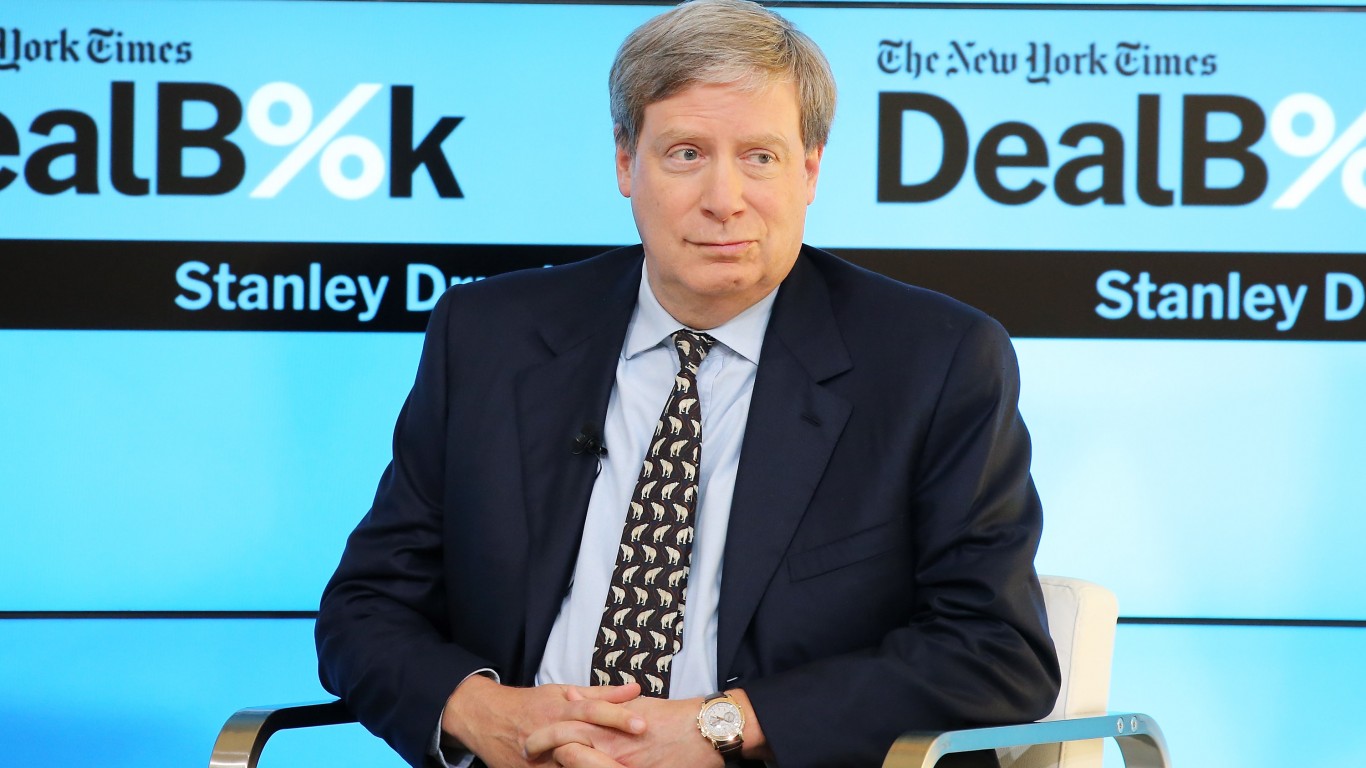
On August 28, former Fed Vice Chair Roger Ferguson told CNBC that “we’ve had Treasury interfering in the market in a way that may be making those signals harder to read,” and said core CPI is around 2.5% or higher, that inflation has missed the 2% target for roughly five years, and that he expects two rate hikes. Bessent’s mentor Stanley Druckenmiller has argued Bessent “will lose” his battle with bond markets.
SpotGamma’s Brent Kochuba reported on August 26 that options positioning had flipped from betting on higher rates to front-running rate cuts, with bullish calls appearing in gold and Bitcoin. That sits alongside Bloomberg’s Ven Ram, who on August 19 attributed a surge in the 30-year yield to AI capex demand plus deficits, before the long end reversed lower into month-end.
Key Takeaways
Bessent’s argument is that elevated yields do not necessarily mean the Treasury market is broken, particularly when U.S. bonds are outperforming their global peers. With Druckenmiller and former Fed officials pushing back, however, the long end of the curve will ultimately decide which side of the debate looks right.
Contact [email protected] for any questions or corrections.
Thomas Richmond is a financial writer and content strategist with 5+ years of experience covering stocks and financial markets. He has published over 500 articles focused on individual stock analysis, helping investors better understand business fundamentals, stock valuations, and long-term opportunities.
Thomas previously served as a Content Lead at TIKR, a stock research platform, where he helped scale the company’s blog to hundreds of articles per month and contributed to a weekly newsletter reaching more than 100,000 investors.
Outside of work, Thomas enjoys weight lifting and soccer.