Nio Falls 4% as Memory Chip Costs and Revenue Miss Overshadow Doubled Vehicle Margin, XPeng Holds Steady
Nio just posted its most profitable quarter in years, yet investors are dumping the stock. The culprit is a cost pressure that has nothing to do with cars and everything to do with the AI infrastructure boom eating into Nio's…


The Chinese electric vehicle sector is reacting a sharp cost-guidance warning, delivered inside what was arguably Nio’s best profit quarter to date. Nio’s management flagged rising costs for batteries and memory chips as the defining challenge of the second half, and investors sold the story despite a huge margin expansion.
The Global X Autonomous & Electric Vehicles ETF (NASDAQ:DRIV) is down 1% to $34.08. Meanwhile, the SPDR S&P 500 ETF Trust (NYSEARCA:SPY) is down 0.7% to $761.68. The electric vehicle fund is trading only slightly softer than the broad market, which places today’s move inside Nio rather than across the sector.
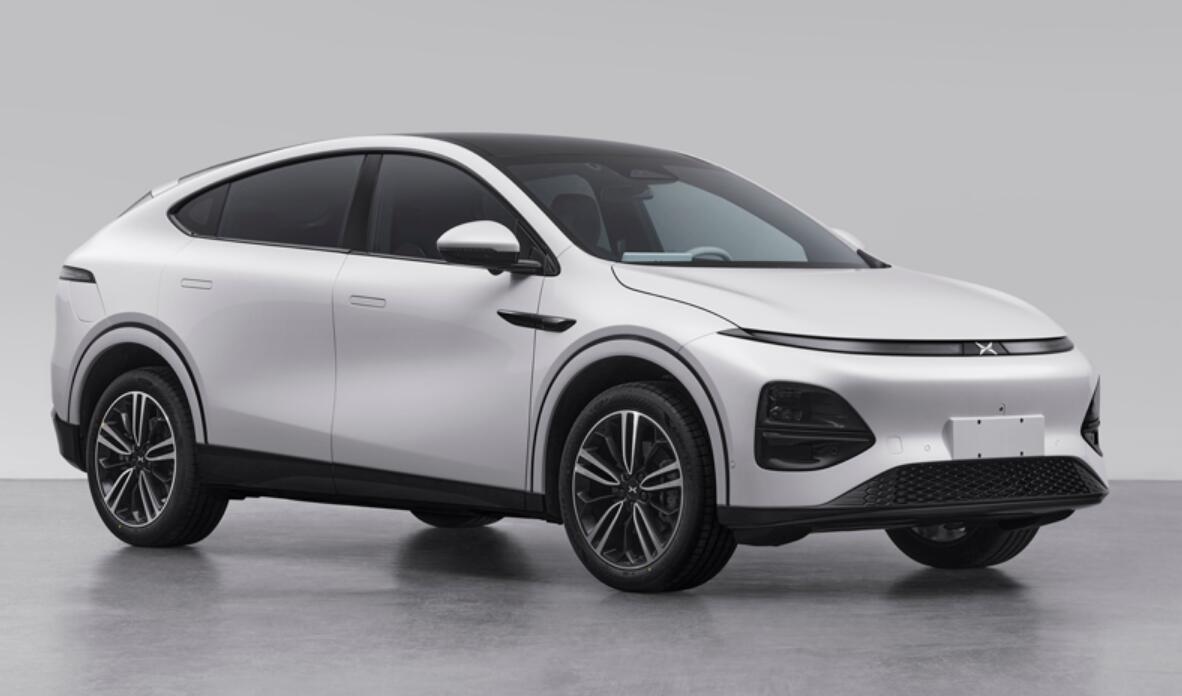
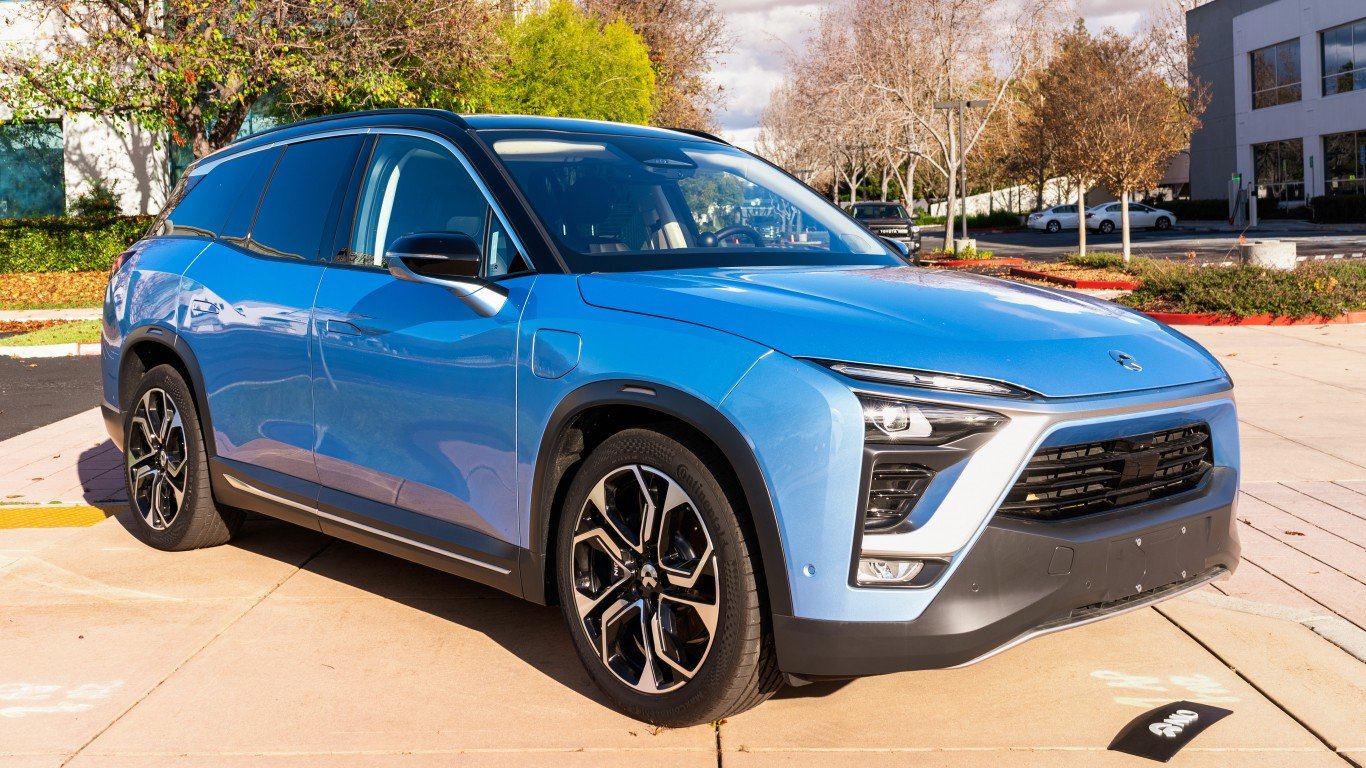
Nio (NYSE:NIO | NIO Price Prediction) stock is down 4% to $4.06 in afternoon trading, having entered the session down 17% year to date through Monday’s close. At the same time, XPeng (NYSE:XPEV) stock is down 0.5% to $11.31, holding steady after XPeng’s own Q2 2026 report last week.
Best Quarter in Years Meets a Cost Warning
Nio’s Q2 2026 numbers landed with the kind of profitability the company has been chasing for years. Nio’s revenue rose 69.1% year over year (YoY) to RMB32.14 billion, or $4.74 billion, missing expectations near $4.95 billion. GAAP net loss at Nio narrowed to RMB528 million from RMB4.99 billion a year earlier, and the company reported an adjusted profit for the quarter.
Vehicle margin at Nio improved to 18.5% from 10.3% a year earlier, and overall gross margin expanded to 18.4%. Nio’s deliveries climbed 49.4% YoY to 107,658 units, with the third-generation ES8 crossing 140,000 cumulative deliveries within 11 months of launch. Management said the ES8 and ES9 both carry vehicle margins above 20%, anchoring the mix.
Balance-sheet strength backed it up. Nio ended the quarter with RMB56.7 billion in cash, restricted cash, short-term investments, and long-term time deposits, and generated positive operating cash flow and positive free cash flow. That’s a first for the company at this scale.
What did the damage was Q3 guidance. Nio expects third-quarter deliveries of 108,000 to 111,000 vehicles and revenue of RMB33.29 billion to RMB34.05 billion, or $4.9 billion to $5 billion, slightly under Wall Street’s number. More important, management flagged rising component costs including batteries and memory chips, expected to add RMB2,000 to RMB3,000 per vehicle in the second half.
Memory Chip Costs Reach the Auto Aisle
The memory-chip line in Nio’s disclosure is the interesting one. It’s a cost input that originates far outside the automotive supply chain, driven by AI data-center demand for high-bandwidth memory and DRAM, and it is now landing as a per-vehicle expense on Chinese electric SUVs. Nio said the cost pressure began from the beginning of March this year, with a Q2 average impact of around RMB14,000 per car versus late last year.
Nio outlined its mitigation plan on the call: supply-chain optimization, commercial negotiations with suppliers, further cost-structure work, tighter product definition, and reuse of core technologies across the NIO, Onvo, and Firefly brands. The stated target is to hold Q3 and Q4 vehicle margin at a level similar to Q2’s 18.5%.
The margin gains investors just digested are backward-looking. Nio’s cost guidance is forward-looking. A company that has finally proved it can build cars profitably is being asked whether it can hold that line while an outside industry, artificial intelligence infrastructure, competes for its inputs (we pulled together seven suppliers riding that same AI buildout, from power to cooling, in a free report). That’s the whole selloff in one sentence.
XPeng’s Q2 call last week flagged similar industry-wide cost pressure without breaking out chip inputs, and XPeng stock has largely digested that report. Other Chinese EV names traded in a tight band, which helps explain why the ETF is barely moving while Nio absorbs the hit alone.
What to Watch
The fair question for Nio is whether 24% to 27.5% delivery growth with compressing input costs is worth more or less than the margin expansion just delivered. Management’s stated goal is to hold vehicle margin near 18.5%, which would require the mitigation work to fully offset the RMB2,000 to RMB3,000 per-car cost. That’s the number to trace into Nio’s Q3 report in November.
Traders can watch for whether the memory-chip cost commentary becomes a broader theme across the Chinese EV cohort in coming weeks. Given the cost uncertainty and Nio’s ongoing losses on a six-month basis, investors should size their positions carefully, treating Nio as a delivery-growth story where second-half margin durability decides the next re-rating.
Contact [email protected] for any questions or corrections.
David Moadel is financial writer specializing in stocks, ETFs, options, precious metals, and Bitcoin. David has written well over 1,000 articles for leading online publications, helping investors understand markets, income strategies, and risk.His work has appeared in The Motley Fool, InvestorPlace, U.S. News & World Report, TipRanks, ValueWalk, Benzinga, Market Realist, TalkMarkets, Finmasters, 24/7 Wall St., and others.With a master’s degree in education, David has taught at the elementary, high school, and college levels. That teaching background shapes his writing style: clear, educational, and practical. David has also built a loyal social-media audience by providing trustworthy financial content on YouTube, X/Twitter, and StockTwits.