Tesla’s Cybertruck Launched at $120K and Was Called “the Biggest Flop in Automotive History.” Can Range Rover’s $138K EV Avoid the Same Fate?
Bloomberg just labeled the Cybertruck the biggest flop in automotive history, and Range Rover is about to roll out its own six-figure electric vehicle into the same skeptical market. What separates a bold luxury launch from an expensive cautionary tale…

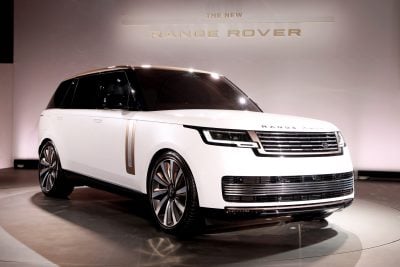
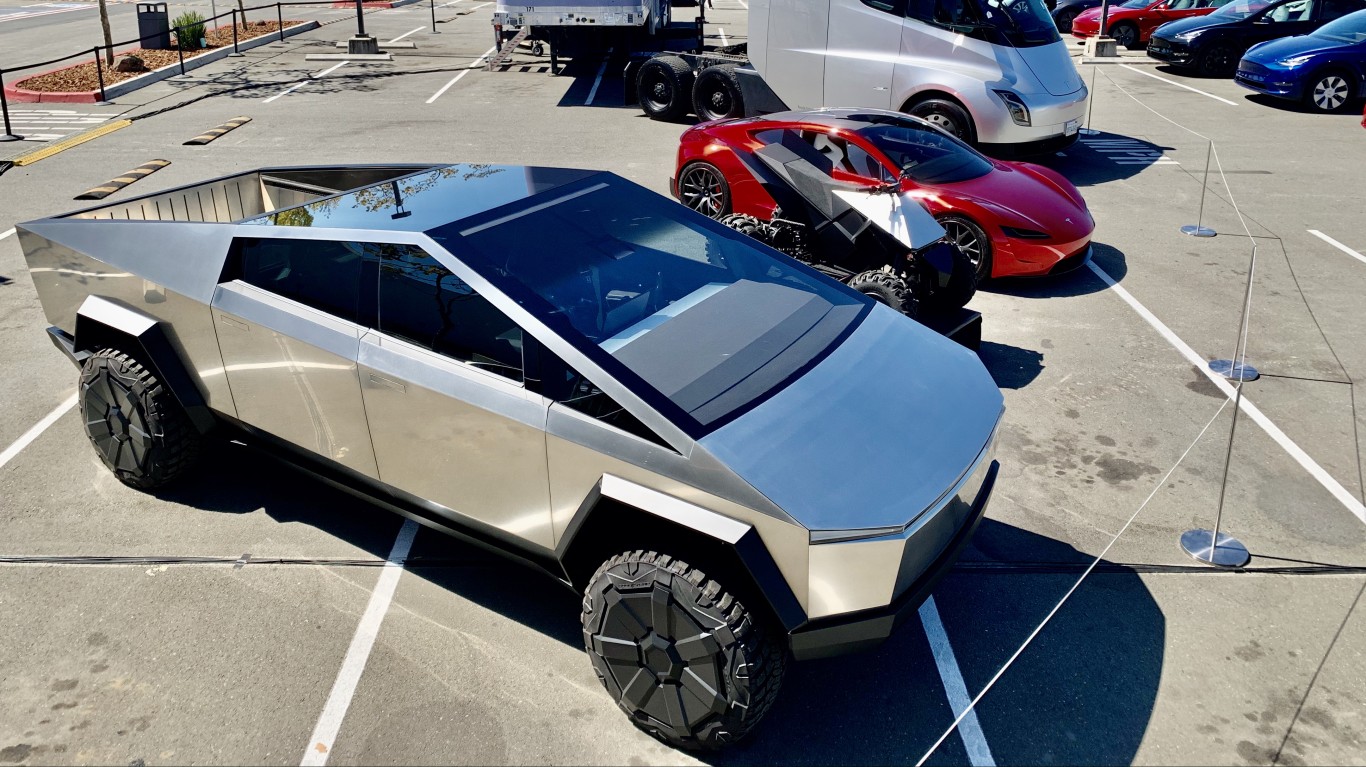
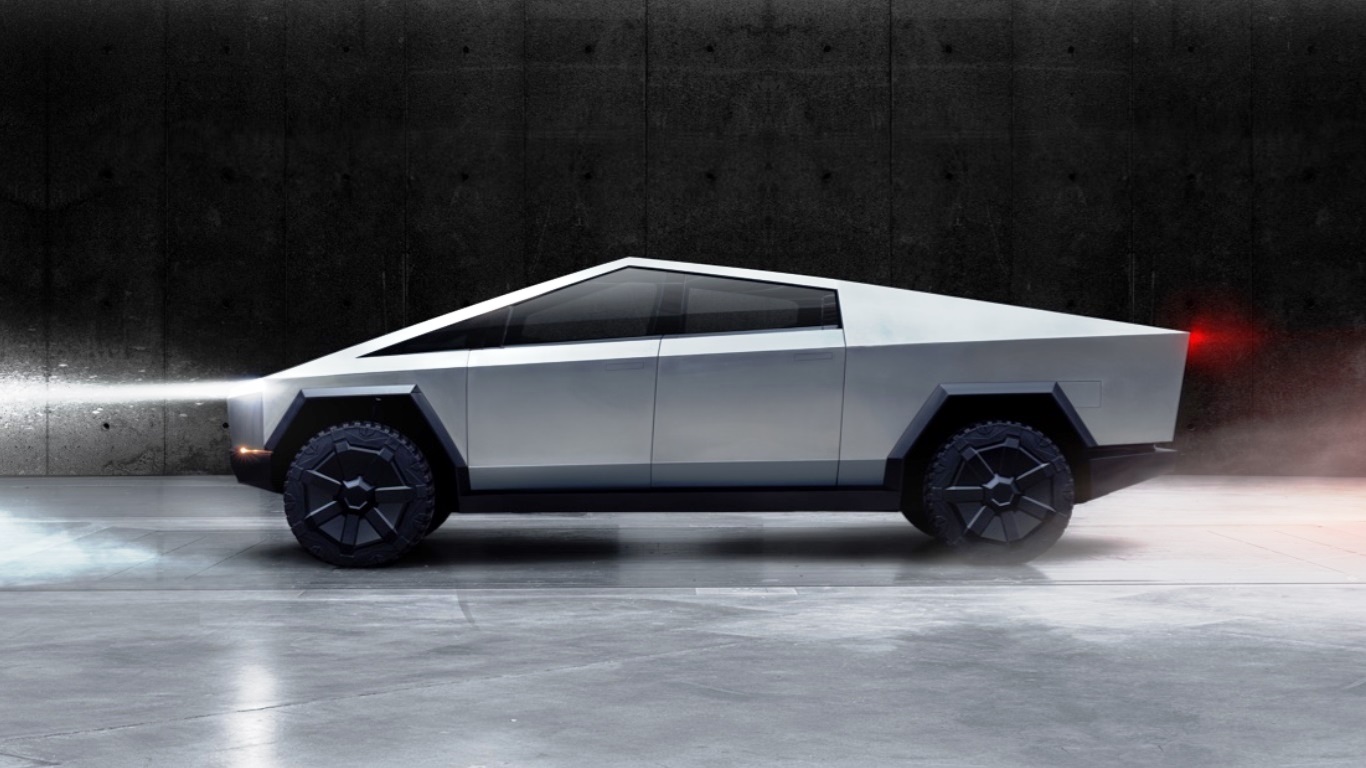
When the first Tesla Cybertrucks rolled out of Gigafactory Texas on November 30, 2023, the top trim available was the Foundation Series Cyberbeast, a tri-motor pickup priced at $119,990. Nearly three years later, Bloomberg would call the vehicle the biggest flop in automotive history, a characterization 24/7 Wall St. covered on July 27, 2026 as Tesla shares fell sharply. That framing now sits over the launch of another six-figure electric vehicle: the Range Rover Electric, which Jaguar Land Rover is bringing to the U.S. at a starting price of $138,000, according to Automotive News.
Cybertruck Pricing Story Was Never a Straight Line
When Elon Musk unveiled the concept in 2019, he promised a dual-motor all-wheel drive starting at $49,900 and a tri-motor at $69,900, according to 24/7 Wall St.. Neither price ever shipped. The Foundation Series, capped at the first 1,000 reservation holders, opened with the Cyberbeast at $119,990 and a dual-motor AWD at $99,990, a $20,000 premium over standard trims, according to 24/7 Wall St.. That program ended in October 2024 after 11 months, and standard trim pricing settled lower.
Then it moved the other way. Reuters reported that on August 25, 2026, Tesla (NASDAQ:TSLA | TSLA Price Prediction) raised prices on the dual motor and premium all-wheel drive by $5,000, to $74,990 and $84,990 respectively. As 24/7 Wall St. noted, the base model now sits just below $75,000 and the top-of-the-line at $100,000. Prices came down, then went back up, into weak demand.

Sales Are the Strongest Evidence
Cox Automotive puts Cybertruck sales at 38,965 units in 2024, falling 48.1% to 20,237 in 2025, with first-quarter sales this year at 3,519 units. Edmunds has said the truck has “proven more adept at grabbing headlines than market share,” citing build quality and pricing. The pain is not unique to Tesla. Ford (NYSE:F) discontinued the F-150 Lightning, and 24/7 Wall St. notes Rivian (NASDAQ:RIVN) delivered 12,194 vehicles across all models in the second quarter, with the R1T pickup starting just below $80,000. Premium electric pickups have been a hard sell.
What Range Rover Is Actually Selling
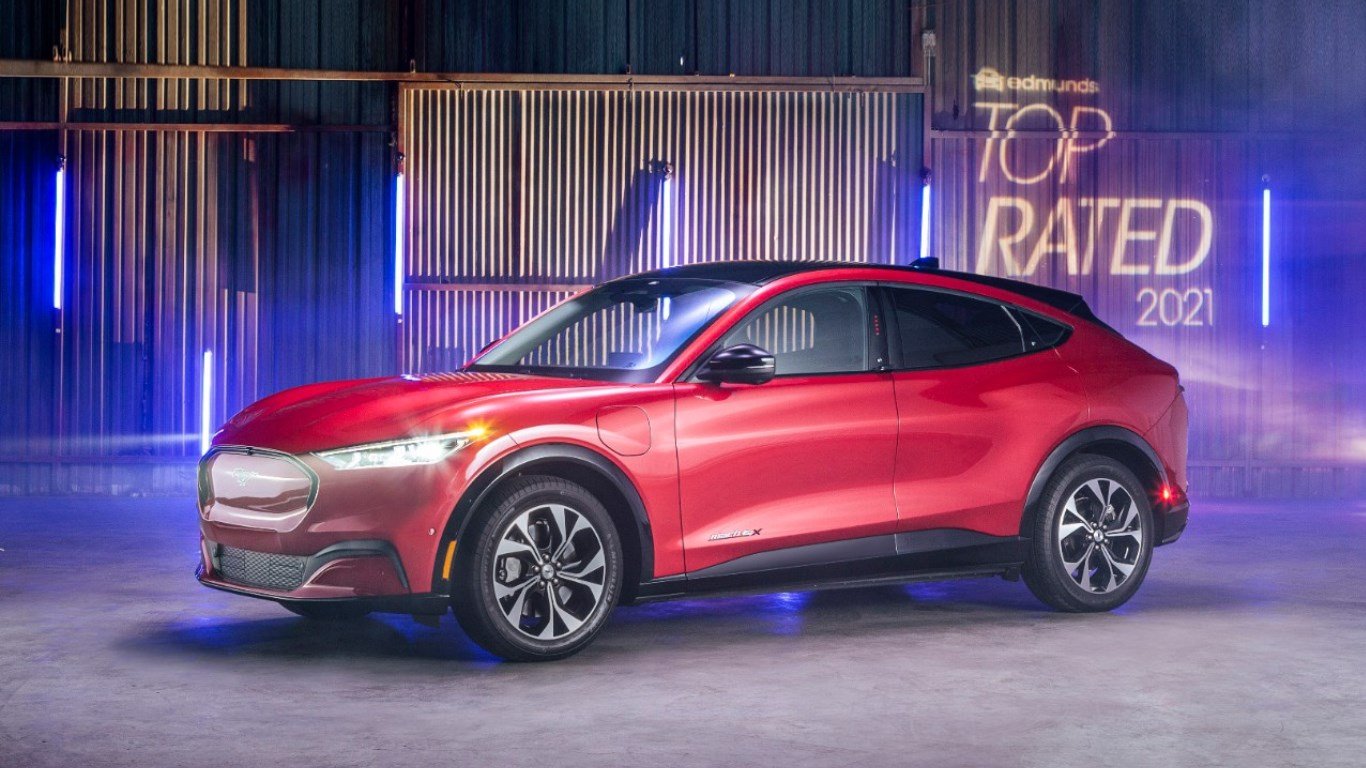
The Range Rover Electric is an SUV, not a pickup, so the comparison is one of premium EV launches rather than vehicle category. Jaguar Land Rover cites a 117 kWh battery, a dual-motor AWD system producing a combined 542 hp and 627 lb-ft of torque, and marketing that leans on quieter, more responsive driving. It is the first of three planned Range Rover EVs, with a Sport Electric expected in late 2026 or early 2027.
Range Rover carries decades of luxury and off-road heritage. The Cybertruck arrived as a form factor with no predecessor and no established buyer expectation to meet. Pricing discipline is the real test. Whether JLR holds $138,000 as inventory builds and incentives creep in will say more than any launch-week reception, according to Automotive News.
There are costs to the electric transition even for the established name. Versus the gas Range Rover, ground clearance drops roughly 10%, the breakover angle falls from 27 degrees to 23 degrees, and towing capacity is down 28.5%, to 2.5 tons. JLR itself pushed the Range Rover Electric from a 2025 target into 2026. The luxury EV rollout has been bumpier than automakers projected across the board, and $138,000 is a price that will have to be defended, not merely announced, according to Automotive News.
Contact [email protected] for any questions or corrections.
AJ spent 10 years writing about financial markets at The Motley Fool. His coverage centers on technology stocks and the broader macroeconomic trends, from interest rates to geopolitics, that shape where markets are headed next. AJ is drawn to the stories where big-picture economics and individual companies collide.