Tesla’s Cybercab Is In Trouble
Federal regulators have given Tesla less than two weeks to answer sworn questions about its Cybercab program, and the stakes go far beyond one automaker's ambitions.


The U.S. National Highway Traffic Safety Administration wants Tesla (NASDAQ: TSLA | TSLA Price Prediction) to answer questions about its Cybercab plans. And it wants those answers in less than two weeks. The answers must be “sworn testimony.”
Among other things, the NHTSA wants to know whether humans will be at the controls, at least in the early phases of the certification process. Reuters reports issues with “other equipment,” in the cabs.
Earlier this month, Tesla had a small number of these vehicles operating in Austin. But they lacked manual controls like traditional brakes. It appeared the government would finally approve tests without most of these features. However, Reuters reports that under existing law, fully self-driving vehicles do not need NHTSA approval if they have steering wheels, brake pedals, mirrors, and other features of human-controlled vehicles.
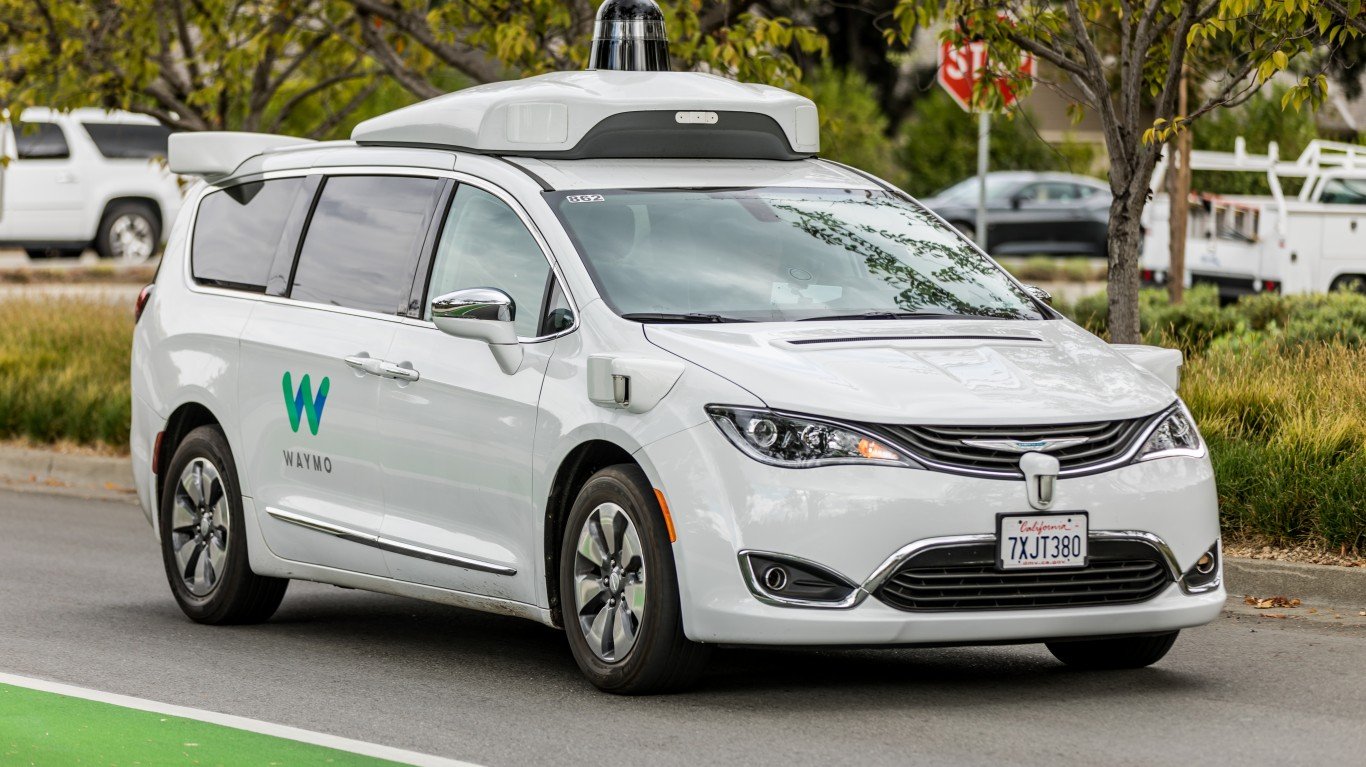
This Tesla problem is part of the on-again, off-again challenge to get autonomous vehicles on the road. Any company in the business has similar problems; Waymo cars had trouble on freeways. Yahoo recently reported, “The planned London rollout of robotaxis is delayed due to complex regulatory approvals from Transport for London (TfL) and a lack of specific operational guidance. A median launch date is now expected closer to late 2027.”
Autonomous vehicles are being tested across a dozen US cities. They face federal regulation. They also face rules set by local governments. Officials worry that every time there is an accident, even a small one, attention will turn to whether these vehicles are safe.
What is on the line? Certainly billions of dollars in investments from Google, Tesla, and smaller competitors. Certainly, the question of whether they will be approved to operate in every city and town, and on freeways.
Tesla has another roadblock, unless its “sworn testimony” is enough.
Contact [email protected] for any questions or corrections.
Douglas A. McIntyre is the co-founder, chief executive officer and editor in chief of 24/7 Wall St. and 24/7 Tempo. He has held these jobs since 2006.
McIntyre has written thousands of articles for 24/7 Wall St. He is an expert on corporate finance, the automotive industry, media companies and international finance. He has edited articles on national demographics, sports, personal income and travel.
His work has been quoted or mentioned in The New York Times, The Wall Street Journal, Los Angeles Times, The Washington Post, NBC News, Time, The New Yorker, HuffPost USA Today, Business Insider, Yahoo, AOL, MarketWatch, The Atlantic, Bloomberg, New York Post, Chicago Tribune, Forbes, The Guardian and many other major publications. McIntyre has been a guest on CNBC, the BBC and television and radio stations across the country.
A magna cum laude graduate of Harvard College, McIntyre also was president of The Harvard Advocate. Founded in 1866, the Advocate is the oldest college publication in the United States.
TheStreet.com, Comps.com and Edgar Online are some of the public companies for which McIntyre served on the board of directors. He was a Vicinity Corporation board member when the company was sold to Microsoft in 2002. He served on the audit committees of some of these companies.
McIntyre has been the CEO of FutureSource, a provider of trading terminals and news to commodities and futures traders. He was president of Switchboard, the online phone directory company. He served as chairman and CEO of On2 Technologies, the video compression company that provided video compression software for Adobe’s Flash. Google bought On2 in 2009.