McDonald’s Vs. Burger King Owner Restaurant Brands International: Understand This as McDonald’s Sales Growth Slows
Burger King just posted its strongest quarter in years while McDonald's U.S. traffic turned negative in July, and the gap between these two fast food giants now raises a serious question about which stock actually belongs in your portfolio.

This post may contain links from our sponsors and affiliates, and Flywheel Publishing may receive compensation for actions taken through them.
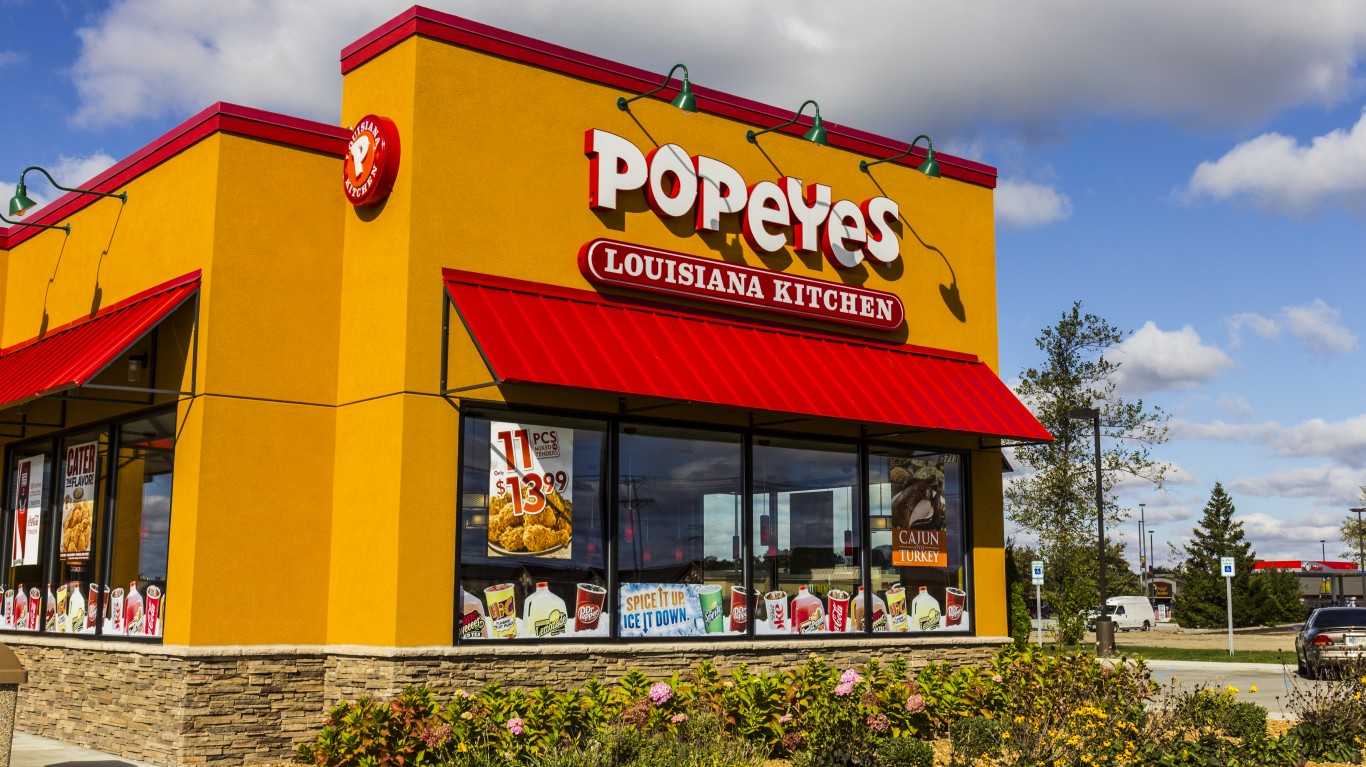
McDonald’s (NYSE:MCD | MCD Price Prediction) and Restaurant Brands International (NYSE:QSR), parent of Burger King, Tim Hortons, Popeyes, and Firehouse Subs, both reported Q2 fiscal 2026 results in early August. McDonald’s global comparable sales decelerated to 1.3%, down from 3.8% a year earlier, while QSR’s portfolio accelerated behind a Burger King turnaround taking share.
Burger King Is Eating Into McDonald’s Traffic
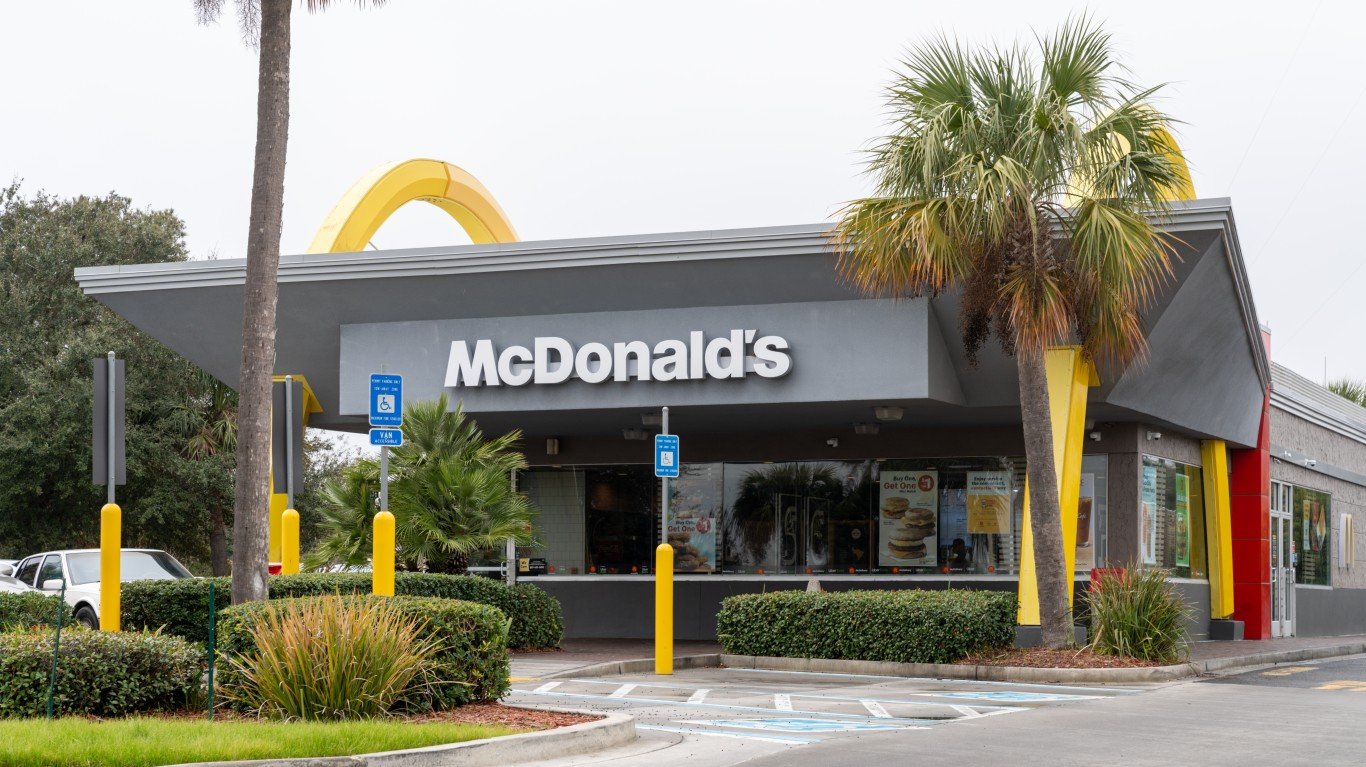
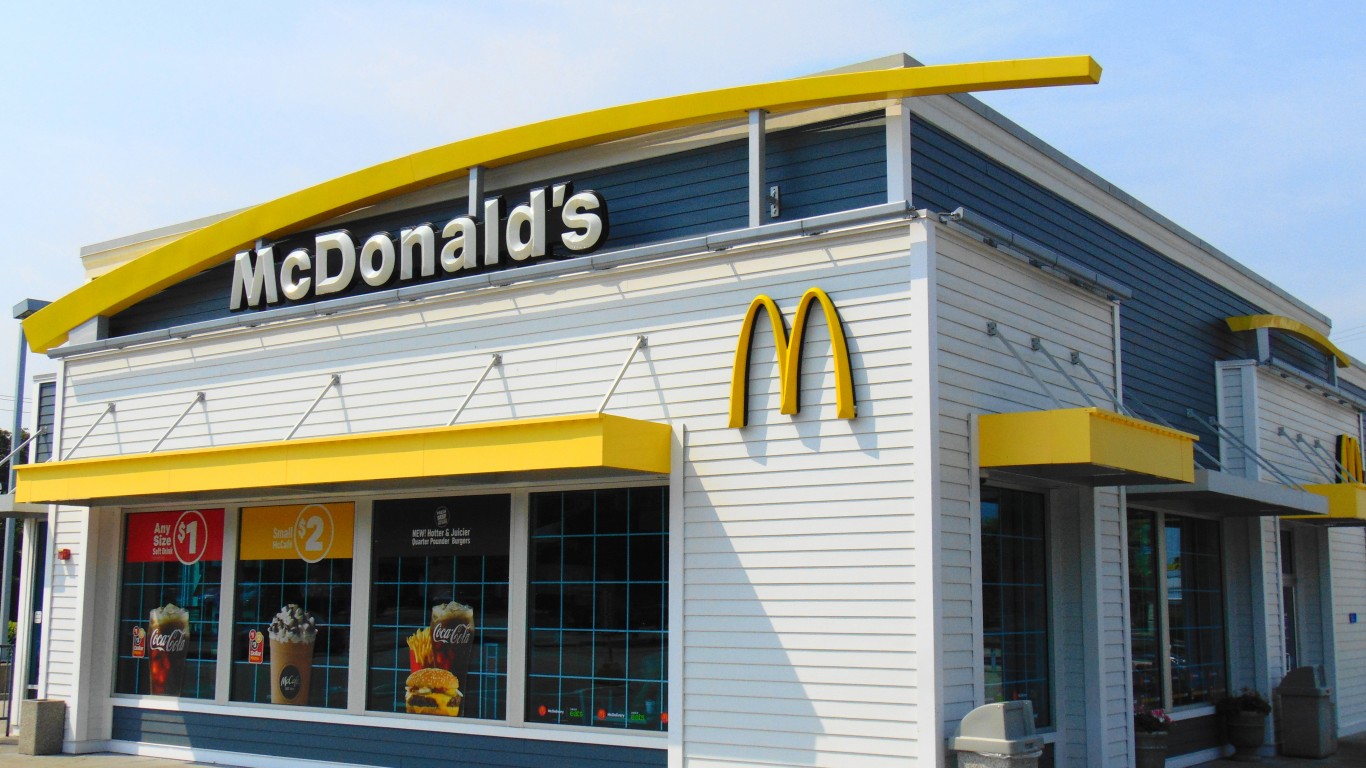
U.S. comparable sales at McDonald’s rose just 0.8% in the quarter, with July trends turning “slightly negative.” CEO Chris Kempczinski stated: “We don’t have a strategy problem. We simply didn’t execute at the level we needed to in the second quarter.” Roughly a third of the U.S. system did not run the new under-$3 everyday affordable menu as designed, and pulling digital offers to fund it was “a bad trade.”
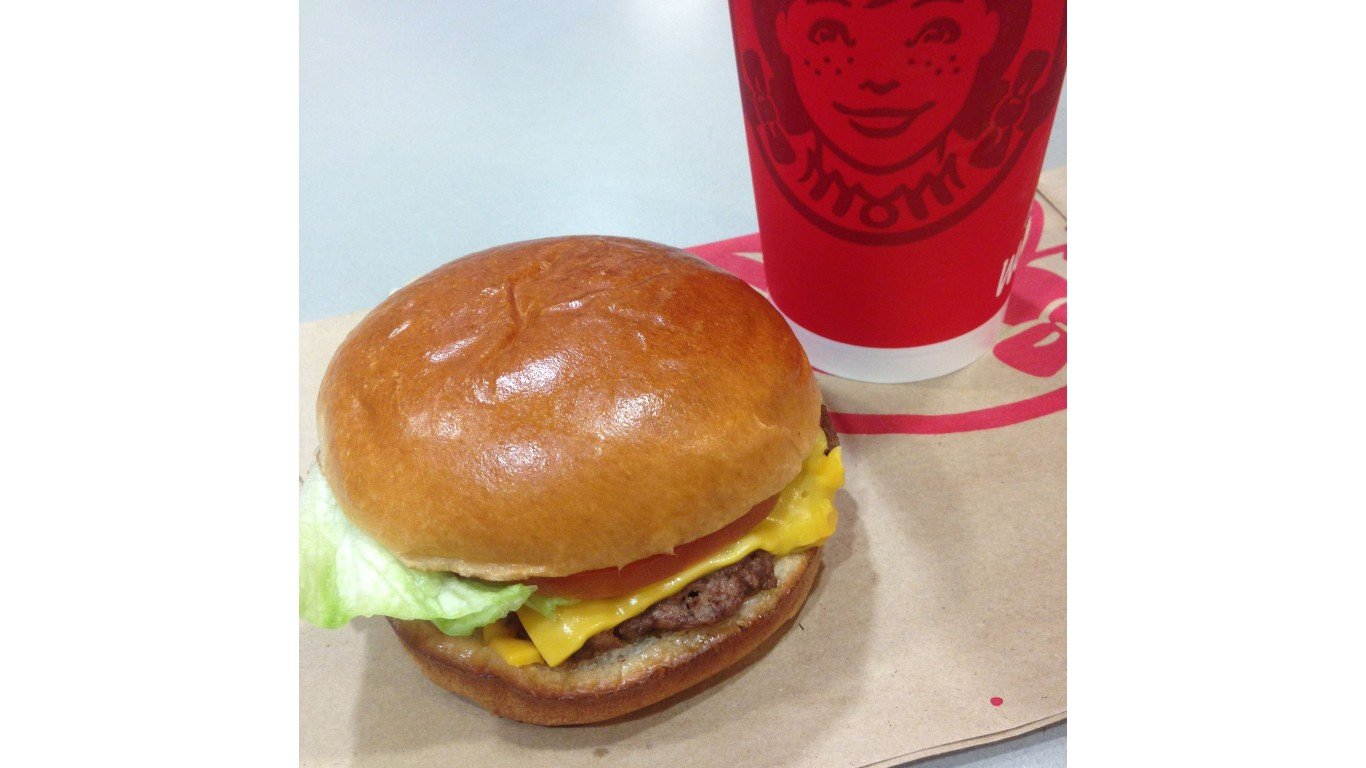
Burger King is the counterpoint. U.S. same-store sales jumped 8.5%, outrunning the burger QSR industry by more than nine points, powered by the Whopper platform, kids meals tied to Disney’s Mandalorian, and the Reclaim the Flame remodel push. Whopper AUVs are up over 20% since the elevation campaign launched.
Pure Play Versus Multi-Brand Portfolio
MCD is a pure play on the Golden Arches. QSR is a multi-brand portfolio. Tim Hortons contributes roughly 41% of RBI’s operating profit versus Burger King’s nearly 19%, and Popeyes U.S. comps declined 5.1%. You buy the whole portfolio, not the turnaround alone.
| Lens | MCD | QSR |
| Q2 Adjusted EPS | $3.38 | $1.07 |
| Forward P/E | 18x | 13x |
| Dividend Yield | 2.91% | 3.22% |
| YTD Price Change | -17.11% | +9.31% |
What Decides the Next Two Quarters
September franchisee meetings will shape McDonald’s value reset, and management said the U.S. business should be “fully back to where we need to be in 2027.” That is a long runway. I will be watching the new beverage platform, which is already delivering guest checks about 50% over the full-day average, and the October 5 launch of a training program for more than 2 million workers. At QSR, the tell will be whether Popeyes returns to positive comps and how quickly Burger King U.S. re-franchising accelerates.
Why I Lean QSR Today, With One Caveat
If you want the cleanest bet on fixing Burger King, I would still lean toward QSR at a 13x forward P/E with a 3.22% yield. The Whopper Guarantee and Your Way Champion rollout suggest the elevation playbook has more chapters. My hesitation is that you are also buying a flattish Tim Hortons Canada and a shrinking Popeyes. If you prefer a defensive compounder that can be bought at a two-year low, MCD’s global scale, 220 million loyalty users, and Skye Anderson’s arrival as U.S. president make a reasonable turnaround case. I would wait for one more quarter of U.S. traffic data before adding aggressively to either name.
Contact [email protected] for any questions or corrections.
Alex Sirois is a financial writer with experience spanning both retail and institutional investing. He has written for InvestorPlace and held roles at BNY Mellon and Bernstein, giving him a perspective that bridges Main Street portfolios and Wall Street analysis.
Alex holds an MBA from George Washington University and has built his career across multiple industries, including e-commerce, education, and translation — a breadth of experience that informs how he breaks down complex financial topics for everyday investors. His writing is conversational, actionable, and grounded in long-term, buy-and-hold investing principles.
At 247 Wall St., Alex focuses on delivering analysis that is both accessible and useful, with a clear emphasis on helping readers make more informed decisions with their money.