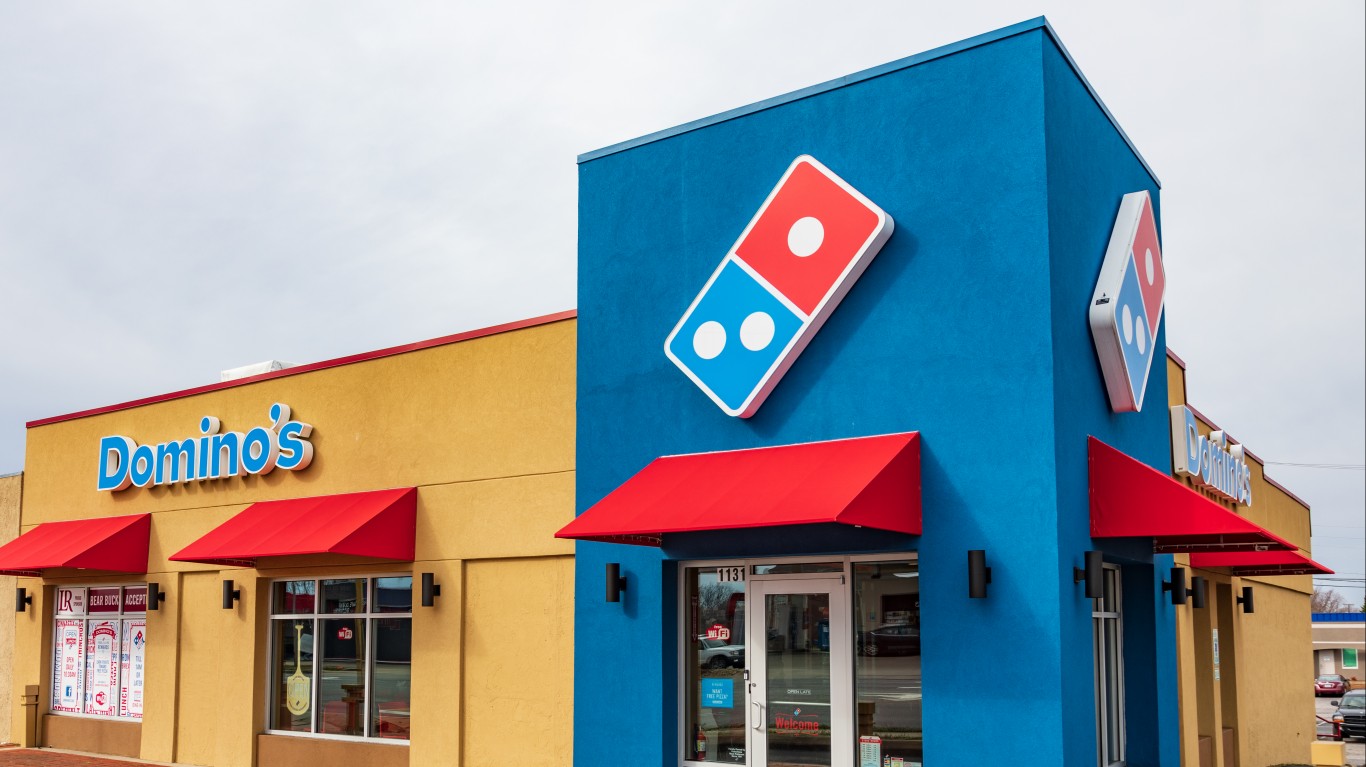
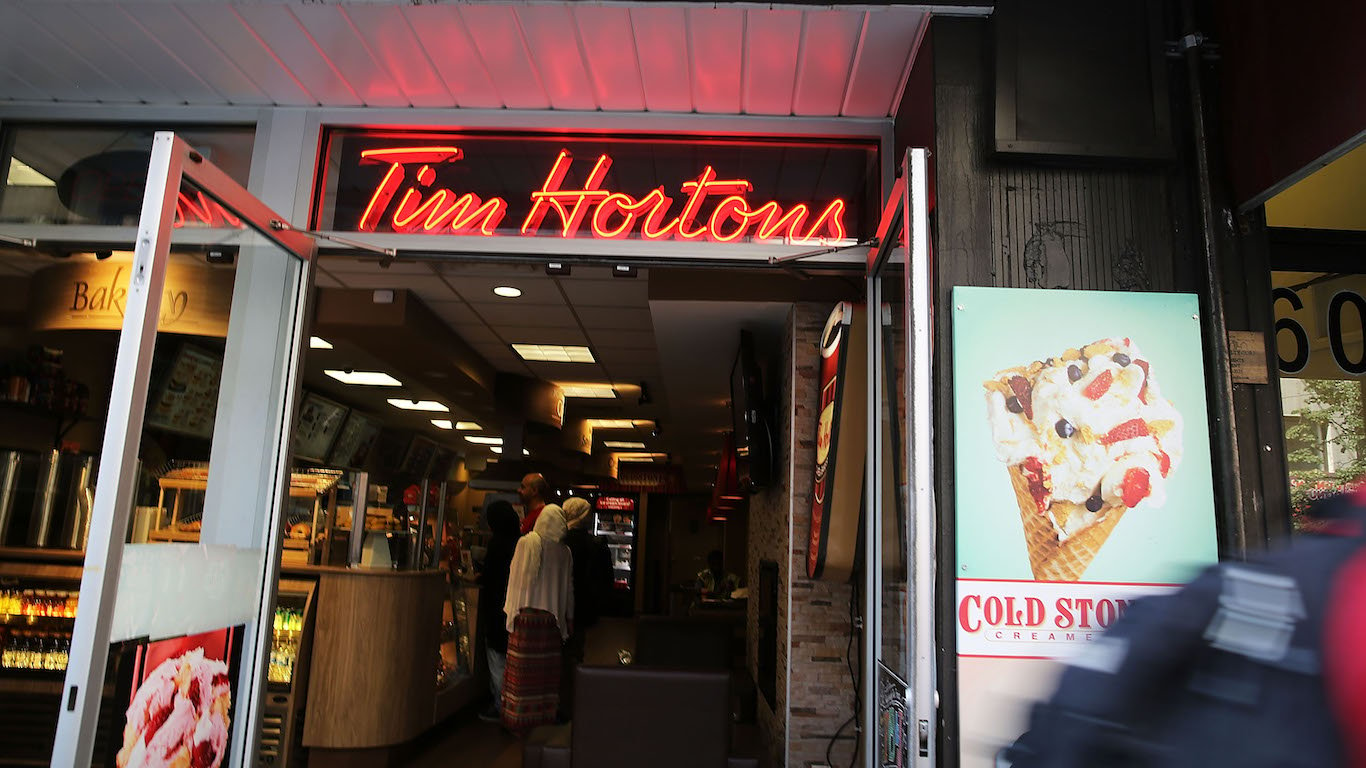
Restaurant Brands Stock Is Down 11%. The Dividend Is Getting More Interesting
Four fast food brands under one roof sounds like a safety net, but Tim Hortons carries so much of the weight that a slowdown in Canada could test a dividend that has never once been cut.

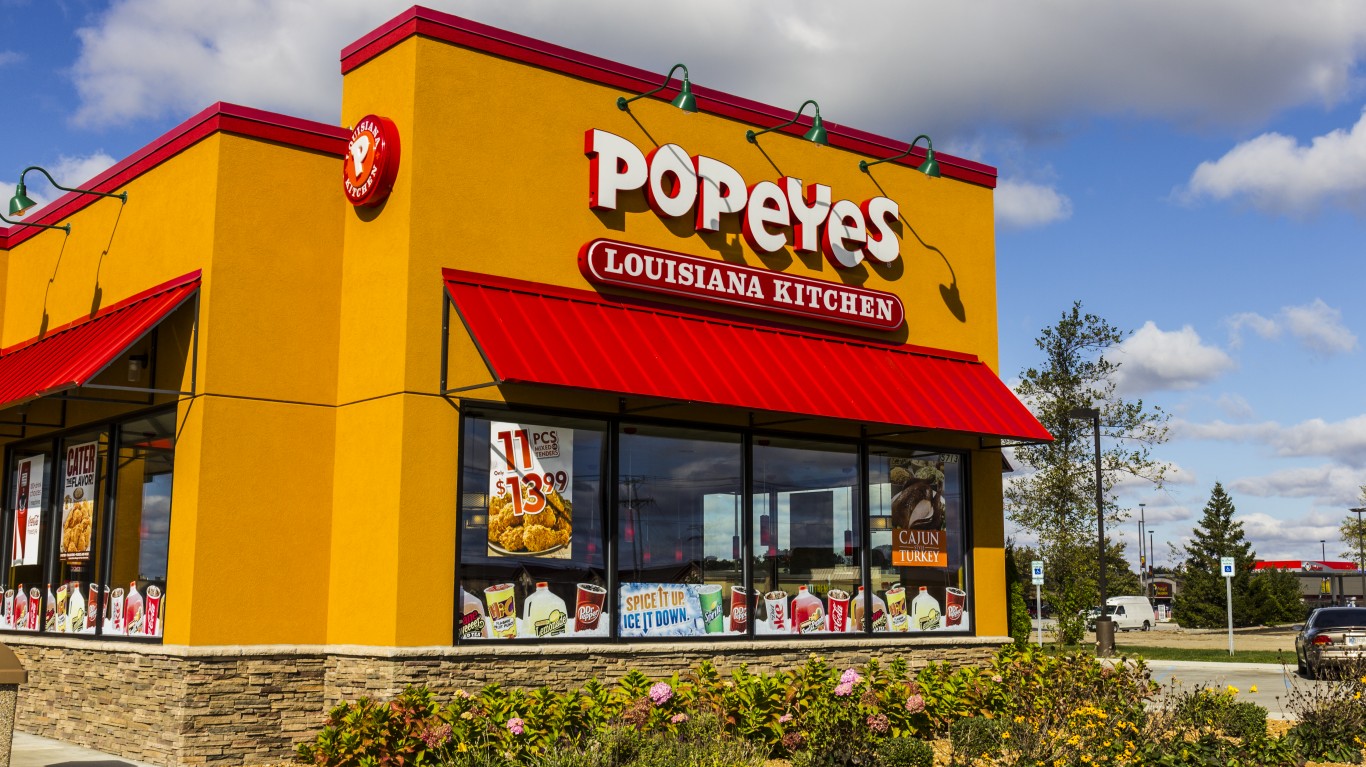
Restaurant Brands International (NYSE:QSR | QSR Price Prediction) paid its latest dividend of $0.65 per share on October 2, 2026. Tim Hortons, Burger King, Popeyes and Firehouse Subs all pay into one pool. Shares closed at $69.92, down 10.57% over the past month. At that price, the $2.60 annualized payout yields about 3.7%. Do four brands give income investors four levels of protection, or just spread one consumer risk across four logos?

Royalties Generate the Cash Behind the Dividend
More than 95% of RBI’s over 33,000 restaurants are franchised, generating nearly $49 billion in annual sales. Franchisees pay wages, rent and food costs. RBI takes a cut of sales, so the dividend depends on restaurant sales volume and requires little capital to keep.
In 2025, free cash flow reached $1.449 billion. Dividends used $1.108 billion of it, about 76%.
Four Logos Carrying Three Separate Risks
Tim Hortons produces roughly 41% of operating profit, International about 29%, Burger King nearly 19% and Popeyes approximately 10%. Each faces distinct pressure.

- Tim Hortons supply chain: RBI sells products to its Canadian franchisees, which makes money on margins, separate from royalties. Management expects those margins to land roughly in line with 2025. Canadian same-store sales slowed to 0.1% growth in Q2.
- Burger King turnaround: The Reclaim the Flame plan commits up to $700 million through 2028. U.S. same-store sales rose 8.5% in Q2.
- Carrols refranchising: RBI plans to sell a few hundred of these company-run restaurants to franchisees in 2026 and the rest in 2027. That reduces its exposure to restaurant-level costs.
Popeyes same-store sales fell 5.1% in Q2.
How McDonald’s and Yum Stack Up
About 95% of McDonald’s (NYSE:MCD) restaurants are franchised. The company generated $7.186 billion of free cash flow in 2025 and pays $1.86 a quarter after a 5% raise. Its net debt runs near 3.7x EBITDA, compared with RBI’s 4.1x net leverage.
Yum! Brands (NYSE:YUM) sold Pizza Hut and raised its quarterly dividend to $0.75 from $0.71. RBI is keeping Popeyes and investing to fix it.
A Payout That Has Never Been Cut
RBI’s dividend has rose from $0.09 in 2015 to $0.65 with no cuts. This year’s raise lifted the quarterly payment from $0.62. In 2020, dividends of $959 million topped operating cash flow of $921 million, yet the payout still grew.
RBI plans to return $1.6 billion to shareholders in 2026, including about $500 million of buybacks. It expects $500 million to $520 million of net interest expense and around $400 million of capex and cash bonuses.
Verdict: Durable, With Clear Warning Signs
The franchise structure makes this dividend durable. Royalties from more than 120 countries and territories kept the payout growing through the pandemic and now fund a Burger King overhaul. The four brands spread risk across regions, but Tim Hortons makes such a large share of profit that much of the risk sits in Canada.
Watch Tim Hortons Canada same-store sales, its supply chain margins, whether Popeyes returns to positive same-store sales, and progress toward the low to mid three times leverage target for 2028. As long as free cash flow covers the dividend before buybacks, the $0.65 payout is secure. For investors who want payers with multi-decade raise runs behind them, we ranked ten of them by valuation in a free Dividend Kings report.
Contact [email protected] for any questions or corrections.
Chris Lange is a financial and geopolitical writer with more than a decade of experience covering a myriad of topics. He has published thousands of articles for 24/7 Wall St., with past coverage focused heavily on stocks, IPOs, healthcare, defense, global affairs, and technology.
His work has been quoted, or referenced by a number of outlets including Business Insider, USA Today, Yahoo Finance, MSN, The Motley Fool, and many other publications. A graduate of Southwestern University, he studied business with a focus on investments and has previous experience in banking and startups.
When not reading or writing the news, he is following his passion for Lacrosse, playing chess, or building solar projects with his dad.