Investors Snub Wall Street, Build $5.1 Trillion Cash Fortress as Fed Pushes Rates Toward 4.75%
Something quietly massive is happening in American household finance, and it has almost nothing to do with the stock market. A record pile of capital is sitting on the sidelines, earning real returns, and it could reshape where the next…


One message the stock market has driven home for investors over the past few years is that cash is trash. When interest rates are low or stable, it becomes hard to hold cash when the stock market is booming.
That argument is getting harder to make as short-term yields start paying investors to wait. U.S. households now hold a record $5.11 trillion in money market fund assets, and the Federal Reserve has just raised its benchmark rate for the first time since July 2023. With markets pricing three additional hikes by mid-2027, short-term rates could climb toward 4.75%.
That changes the math for investors. Stocks still offer long-term growth, but cash-like assets now provide a meaningful return without the daily price swings of equities.
$5.1 Trillion And Counting
The Federal Reserve’s Z.1 Financial Accounts show households held $5.111 trillion in money market fund shares at the end of the second quarter, up about $63 billion from the first quarter’s $5.048 trillion.
The bigger story, though, is the direction. Household money market holdings have increased for 17 consecutive quarters, adding roughly $2.58 trillion over that period. The current balance is also about 89% above the pandemic-era peak shown in the Federal Reserve data.
While investors aren’t necessarily abandoning stocks, they are building optionality into their portfolios.
Money market funds allow investors to earn short-term interest while keeping capital relatively liquid. That is an important option when the alternative is putting money into an expensive stock market and accepting the possibility of a 10%, 20%, or larger drawdown.
The Fed Just Made Cash More Competitive
On Sept. 16, the Federal Reserve raised its federal-funds target range by 25 basis points to 3.75%-4.00%, its first increase since July 2023.
But markets are already looking beyond that move. U.S. Bank reports investors are pricing three additional hikes by mid-2027, which would put the policy rate around 4.50%-4.75%. UBS similarly reported that markets had priced three further hikes after the September decision.
That creates a higher hurdle for stocks. A company doesn’t merely need to grow its earnings, but rather must justify to investors that the growth is worth taking on substantially more price risk — especially when Treasury-backed and money-market investments can offer competitive yields.
Admittedly, money market funds aren’t the same thing as a bank deposit insured by the FDIC, and their yields can fall when short-term rates decline. But today’s environment gives investors something they haven’t had consistently in years: a meaningful return simply for waiting.
Where Investors Can Park Cash
Investors looking to maintain liquidity have several straightforward choices.
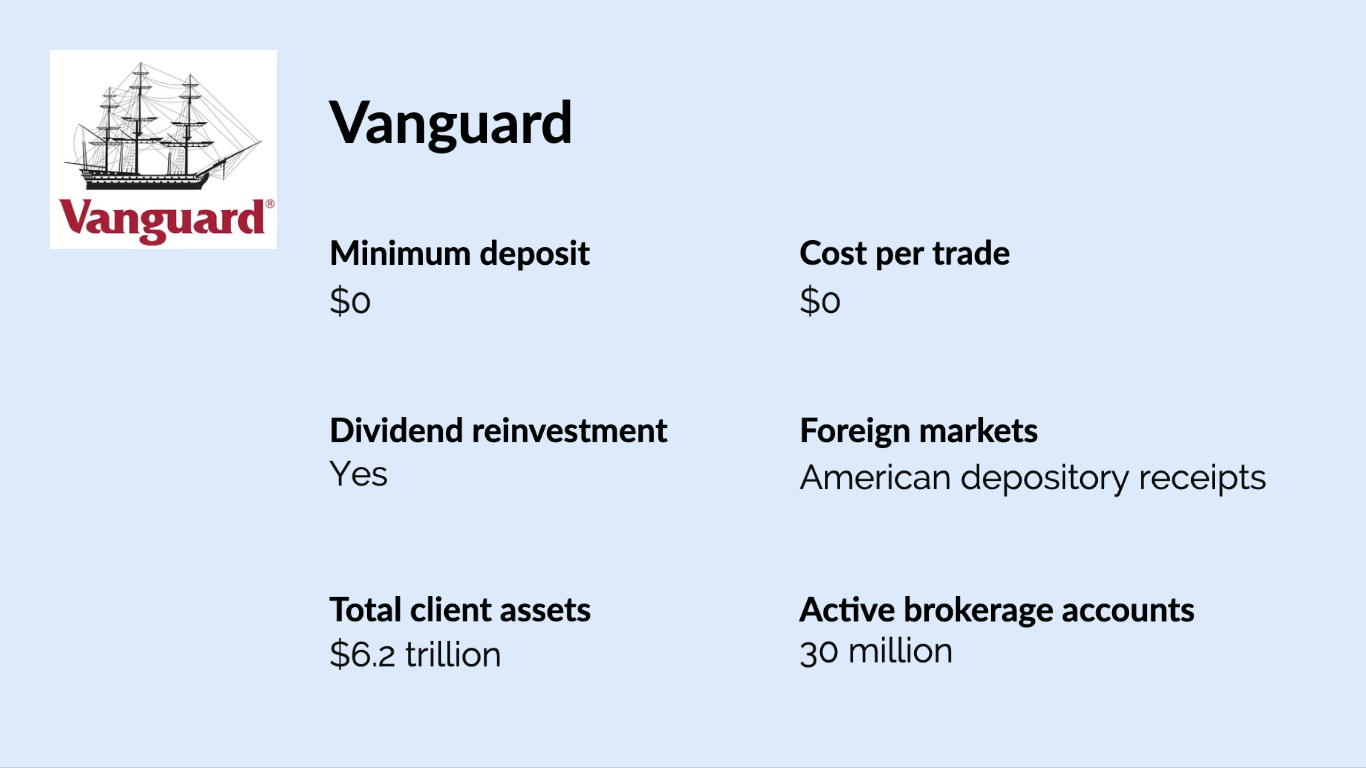
- Vanguard Federal Money Market Fund (VMFXX): Invests primarily in high-quality short-term securities, with at least 80% normally invested in U.S. government and agency securities, with an expense ratio of 0.11%.
- Schwab U.S. Treasury Money Fund (SNSXX): Focuses on securities backed by the U.S. government, and has a 0.34% net expense ratio.
- iShares 0-3 Month Treasury Bond ETF (NYSEARCA:SGOV): Holds Treasury bills with maturities of three months or less, and charges a 0.09% expense ratio. Its 30-day SEC yield was 3.63%.
Key Takeaway
In short, $5.11 trillion is not just idle cash. It’s purchasing power waiting for a better opportunity. For investors, the lesson isn’t to abandon stocks. It’s that the opportunity cost of owning risk has changed. With short-term rates potentially approaching 4.75%, cash and Treasury-like instruments can serve as a legitimate portfolio allocation rather than merely a temporary parking spot.
And if stocks eventually offer better valuations, that $5.1 trillion cash fortress could become an important source of buying power.
Contact [email protected] for any questions or corrections.
After two decades of patrolling the dark corners of suburbia as a police officer, Rich Duprey hung up his badge and gun to begin writing full time about stocks and investing. For the past 20 years, he’s been cruising the markets looking for companies to lock up as long-term holdings in a portfolio while writing extensively on the broad sectors of consumer goods, technology, and industrials. Because his experience isn’t from the typical financial analyst track, Rich is able to break down complex topics into understandable and useful action points for the average investor. His writings have appeared on The Motley Fool, InvestorPlace, Yahoo! Finance, Money Morning, and, of course, 24/7 Wall St. He has been featured in both U.S. and international publications, including MarketWatch, Financial Times, Forbes, Fast Company, and USA Today.