Archer Aviation Clears at Least One Hurdle. Can It Hit $10 Again?
Archer Aviation just cleared a major regulatory hurdle on its Boeing acquisition, but shares have shed nearly half their value over the past year. The path back to $10 exists on paper, and the obstacles standing in the way tell…

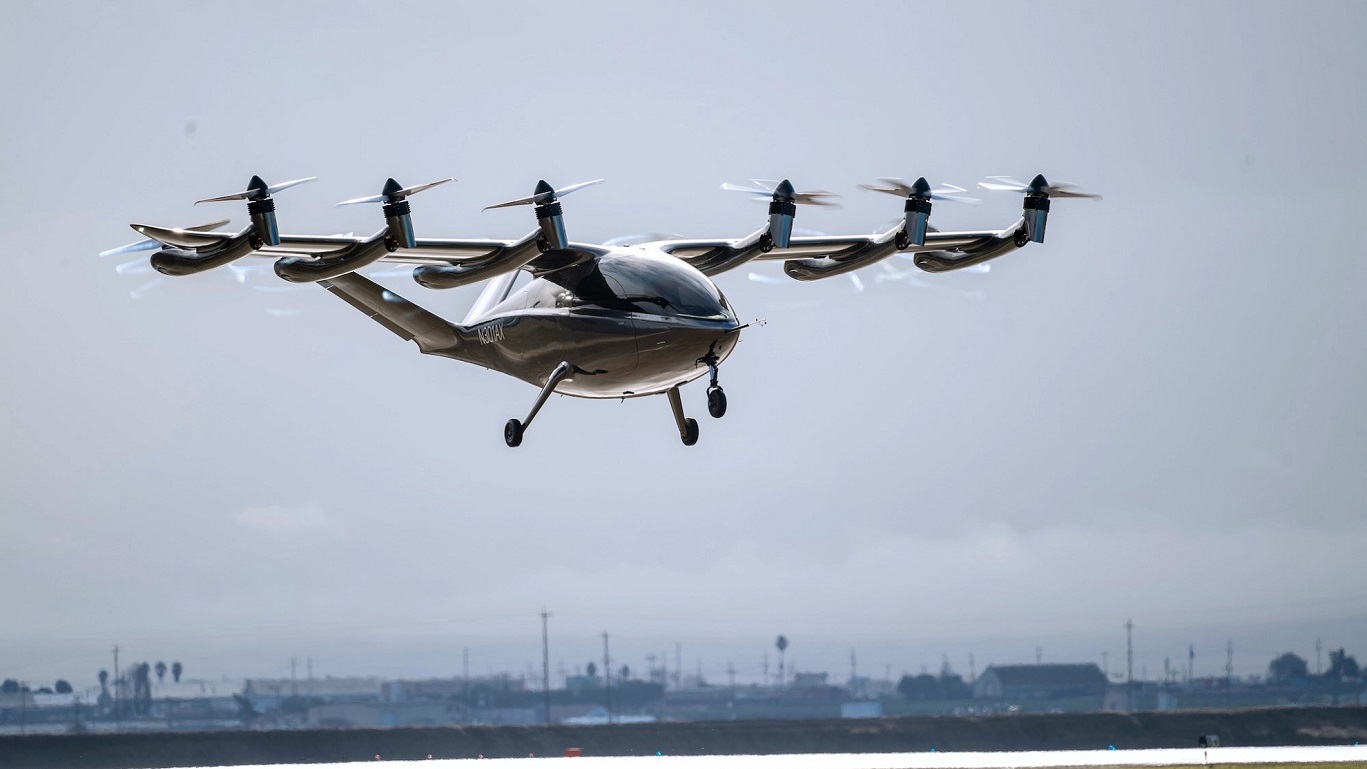
Archer Aviation (NYSE:ACHR | ACHR Price Prediction) cleared a meaningful gate. The Hart-Scott-Rodino antitrust waiting period on its acquisition of Boeing (NYSE:BA) subsidiaries Wisk Aero, Insitu, and SkyGrid expired at 11:59 p.m. EDT on September 18, 2026. The deal is expected to close by the end of 2026, and Insitu alone is projected to add over $200 million in annual revenue. Yet shares are down 26.73% year-to-date and 44.9% over the past year. Can ACHR reach $10 in 2027?

Why the Street Has Cooled on ACHR
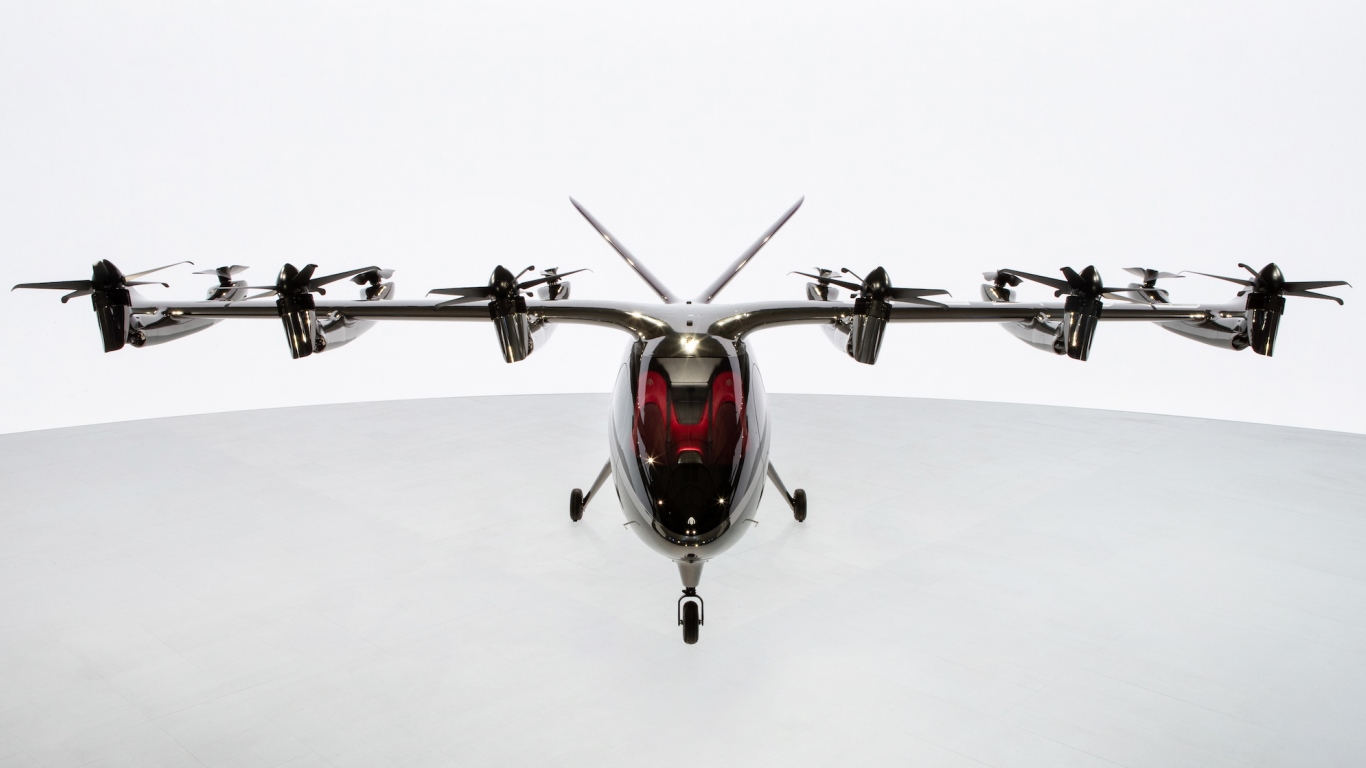
The stock traded at $8.02 in November 2025 when investors expected Midnight certification in late 2025 or early 2026. That timeline has slipped to potentially 2028, and the planned UAE commercial launch has been pushed back. CEO Adam Goldstein said on the Q2 call: “We’re not just an air taxi company anymore.” With HSR cleared, management can focus on integrating Wisk, Insitu, and SkyGrid.
Math to $10
At $5.51, ACHR carries a market cap near $4.22 billion on roughly 770 million shares outstanding. Hitting $10 would push the market cap toward $7.7 billion, an 81% gain. Insitu’s $200 million-plus revenue base alone would put a $7.7 billion cap near 38x sales, defensible if defense drone orders scale and Midnight reaches revenue-generating operations.

What Could Push Archer to $10
- Boeing deal closes on time. Management said integration will “not structurally increase our overall cash burn.”
- Insitu cash flow. Management expects Insitu to contribute positive free cash flow after closing and operate on a self-funding basis.
- FAA Phase 4 progress. Archer is “the only industry OEM to be out of policy and in the fourth and final phase” of type certification, with over 150 piloted test flights completed.
- Revenue growth. Q2 revenue of $5.00 million beat estimates by 154.62% and represented a 213% increase over last quarter.
- Halo Thunder TAM. Management cited a total addressable market greater than $100 billion for the defense platform.
History Says $10 Is Reachable
ACHR traded at $10 exactly one year ago, so $10 in 2027 is a round-trip. Shares rallied 5.56% in the past week. Pre-revenue aerospace names swing 80% inside a year routinely, and Archer’s $1.56 billion in liquidity buys runway to execute.

Bottom Line on $10
An 81% return to $10 is ambitious yet has precedent. HSR clearance removes one hurdle. FAA certification, EIPP operations in Texas, and Los Angeles flights remain harder ones. If Insitu closes and delivers, defense revenue scales, and Midnight reaches for-credit testing milestones, the blueprint to $10 in 2027 is on the table.
Speculative pre-revenue aerospace names like this belong in the small-position bucket, not the core of a portfolio (we wrote a free playbook on speculating with just 5% of a portfolio here: Small Stakes, Big Swings).
Contact [email protected] for any questions or corrections.
After two decades of patrolling the dark corners of suburbia as a police officer, Rich Duprey hung up his badge and gun to begin writing full time about stocks and investing. For the past 20 years, he’s been cruising the markets looking for companies to lock up as long-term holdings in a portfolio while writing extensively on the broad sectors of consumer goods, technology, and industrials. Because his experience isn’t from the typical financial analyst track, Rich is able to break down complex topics into understandable and useful action points for the average investor. His writings have appeared on The Motley Fool, InvestorPlace, Yahoo! Finance, Money Morning, and, of course, 24/7 Wall St. He has been featured in both U.S. and international publications, including MarketWatch, Financial Times, Forbes, Fast Company, and USA Today.