Archer Aviation Has a New $200 Million Reason to Get Excited
Archer Aviation just struck a deal with Boeing that could transform it overnight from a money-burning startup into a defense contractor with serious revenue, but the clock is ticking and the risks are anything but small.

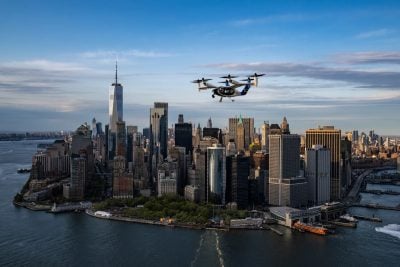
Archer Aviation (NYSE: ACHR | ACHR Price Prediction) announced on August 10 it would acquire Boeing’s Wisk Aero, Insitu, and SkyGrid businesses in exchange for a strategic Boeing equity stake. Insitu alone generates more than $200 million in annual revenue, an order of magnitude jump from Archer’s $5 million in Q2 2026 revenue.
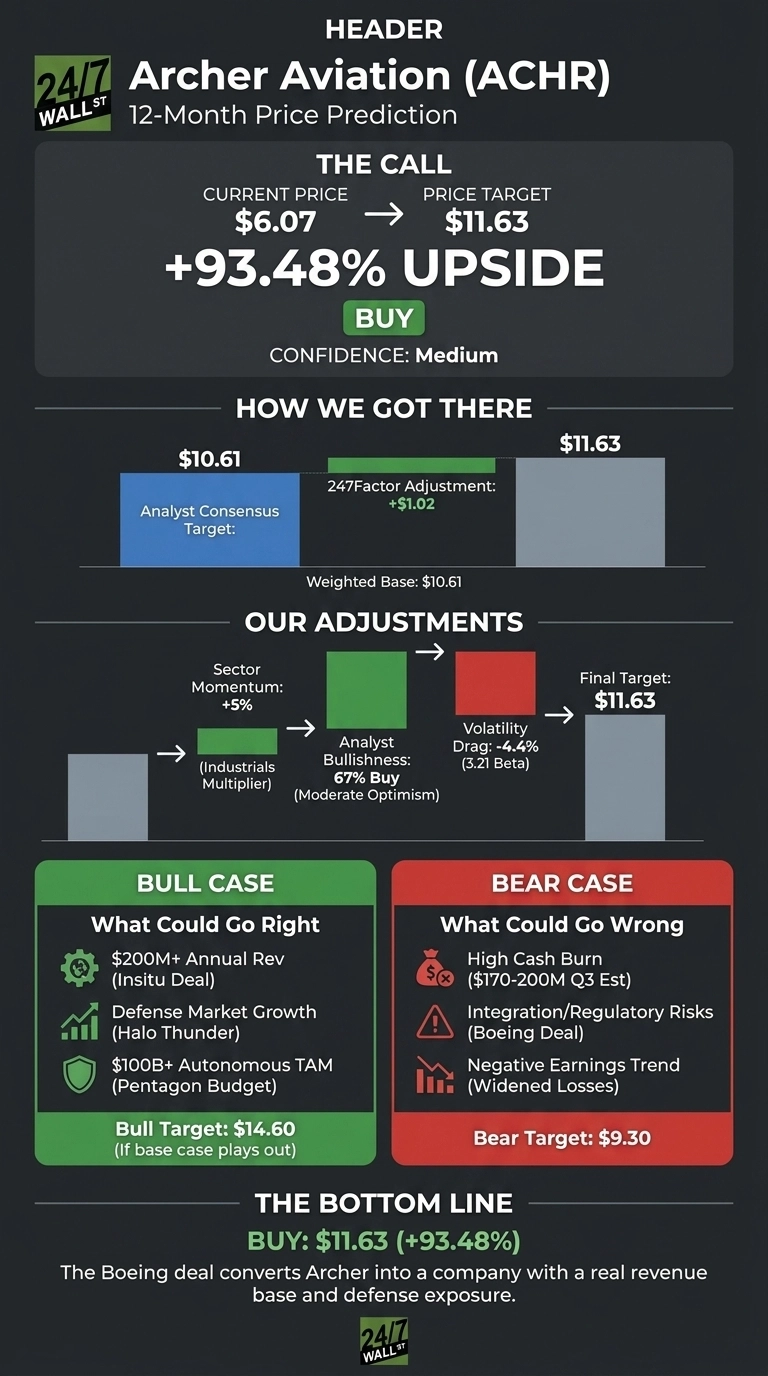
Our 24/7 Wall St. price target for Archer is $11.63, implying 93.48% upside from the current $6.07 quote. That earns a buy with medium confidence.
24/7 Wall St. Price Target Summary
| Metric | Value |
|---|---|
| Current Price | $6.07 |
| 24/7 Wall St. Price Target | $11.63 |
| Upside | 93.48% |
| Recommendation | BUY |
| Confidence Level | 50% |
Boeing Deal Reframes an Otherwise Ugly Quarter
Archer shares are down 14.23% year to date and 30.57% over the past year, but the stock is up 21.47% in the last month since mid-July.
Q2 was mixed: revenue of $5 million beat the $1.96 million consensus by 154.62%, GAAP EPS of -$0.34 missed the -$0.2506 estimate. Net loss widened to $263.20 million, and liquidity closed at $1.56 billion. The Boeing announcement is driving sentiment.

Why Bulls See a Breakout Ahead
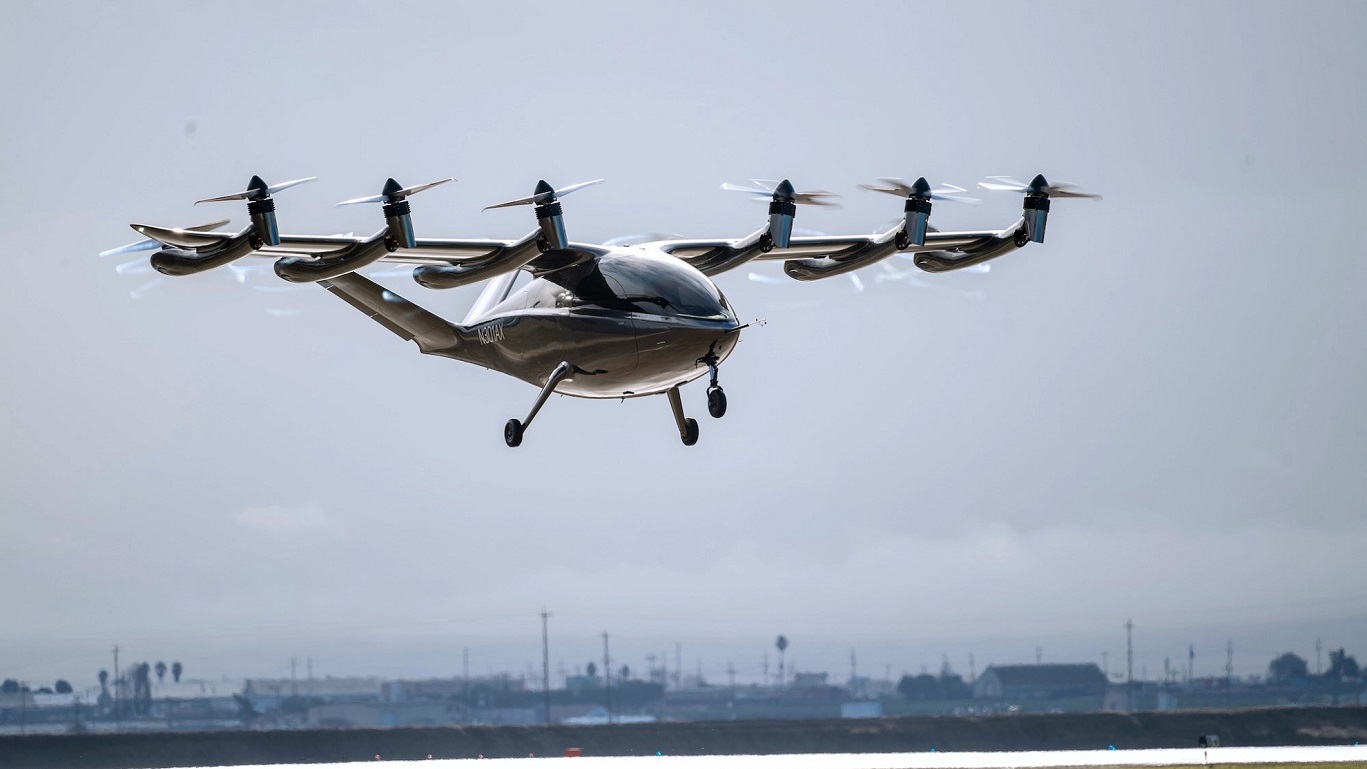
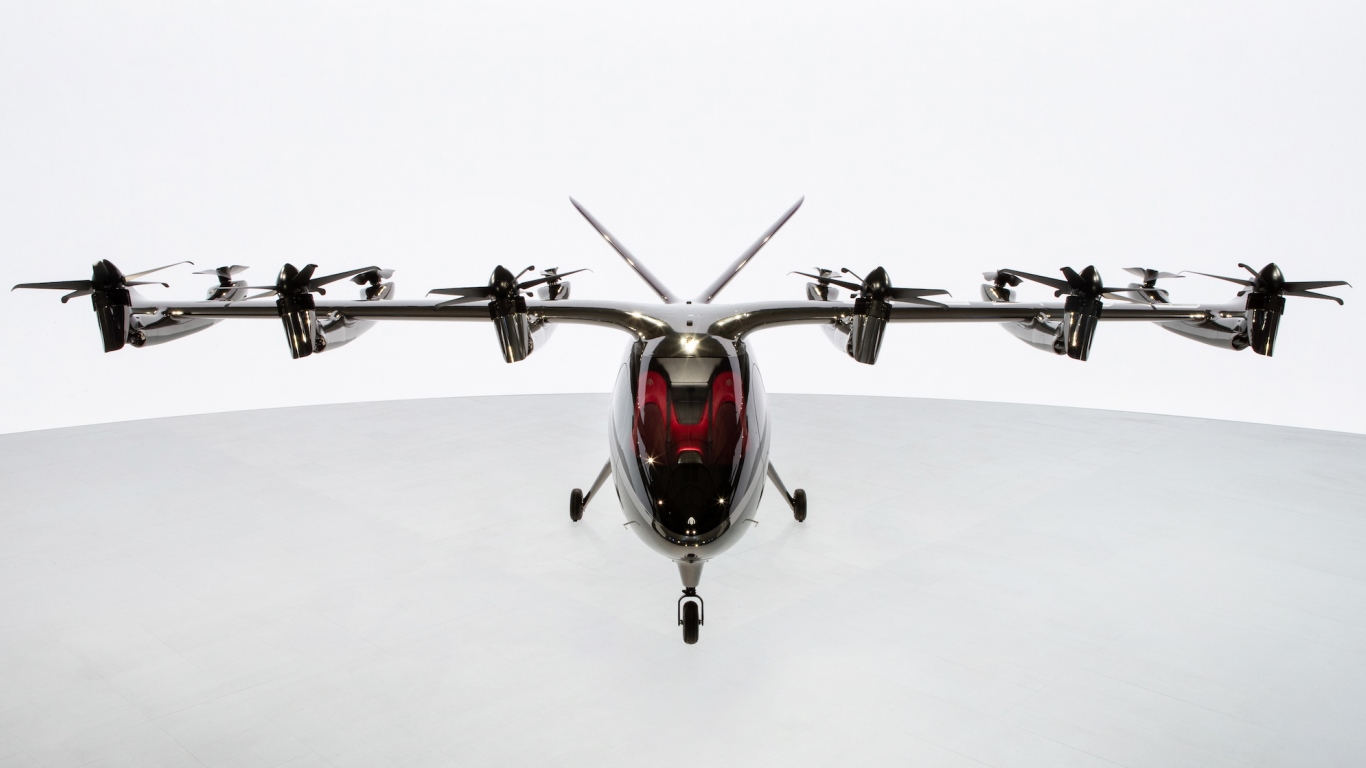
The bull case rests on Archer transforming from a pre-revenue eVTOL developer into an end-to-end physical AI platform for aerospace and defense. CEO Adam Goldstein called the Boeing deal an “important inflection point” and told analysts Insitu is a “profitable business generating more than 200 million of revenue a year” that should contribute positive free cash flow after closing.
Halo Thunder, developed with Anduril, addresses what management pegs as a $100 billion-plus total addressable market, aligned with the Pentagon’s $53.6 billion FY2027 autonomous systems budget. If the base case plays out, our bull-scenario price rises to $14.60 within twelve months.

What Could Go Wrong
Archer burned $177.10 million in adjusted EBITDA losses in Q2, with Q3 guided to another $170 million to $200 million loss. Capex jumped 268% year over year to $69.70 million, and liquidity slipped from roughly $1.80 billion in Q1.
The Boeing transaction remains subject to regulatory approval, and integrating three businesses carries execution risk. Management has committed to keeping cash burn “relatively flat from where it stands today” post-close, with Insitu’s cash flow offsetting Midnight investment. Bear-case price: $9.30.
How Archer Compares to Joby and AeroVironment
Joby Aviation (NYSE: JOBY) is the direct eVTOL comparable. Joby carries a $7.41 billion market cap versus Archer’s $4.64 billion, despite guiding to only $115 to $125 million in 2026 revenue, most from its Blade subsidiary. On a market-cap-to-forward-revenue basis, Joby trades richer than Archer would even after Insitu closes, making our $11.63 target reasonable rather than aggressive.
AeroVironment (NASDAQ: AVAV) is the right defense-drone benchmark for what Insitu could become inside Archer. AeroVironment guided fiscal 2027 revenue to $2.13 billion to $2.23 billion with non-GAAP EPS of $3.02 to $3.34, backed by record bookings of $2.7 billion. That is the profitability arc bulls want Archer to walk. AeroVironment’s $8.04 billion market cap suggests real upside if Archer can prove Insitu scales similarly.
Our Take at Current Levels
Our 24/7 Wall St. price target is $11.63 with a buy rating and 50% confidence. Insitu instantly converts Archer from a story stock into a company with a real revenue base and defense exposure aligned to a rising Pentagon drone budget.
The setup rewards investors who can tolerate a 3.21 beta and view a year-end Boeing deal close as the base case. Risk skews the other way if regulatory approval slips into 2027 or if Q3 cash burn exceeds the $200 million high end of guidance.

| Year | 24/7 Wall St. Price Target |
|---|---|
| 2026 | $11.63 |
| 2027 | $19.56 |
| 2028 | $26.68 |
| 2029 | $32.28 |
| 2030 | $36.38 |
These projections assume Archer closes the Boeing deal on schedule, achieves FAA type certification for Midnight, and scales Halo Thunder deliveries through 2029. Significant upside or downside could result from Pentagon procurement decisions on autonomous VTOL platforms or delays in commercial eIPP operations.
Contact [email protected] for any questions or corrections.
Vandita Jadeja is a financial publisher with over a decade of experience writing about financial topics, including investment, savings, retirement, insurance and banking. Vandita is a Chartered Accountant who loves to debunk financial concepts for readers.
Her work has appeared on sites that include The Motley Fool, InvestorPlace, and Benzinga. She covers investing and focuses on stock picks and price prediction for 24/7 Wall St.
When not looking for the next stock investment opportunity, she can be found traveling, reading, chasing sunsets and enjoying her iced latte.