Can Tyson Foods Keep Paying Its Dividend While Beef Bleeds Money?
Beef is bleeding hundreds of millions in losses while Tyson's stock slides, yet the company keeps writing dividend checks without flinching. Whether that confidence is earned or reckless depends on what you look at first.

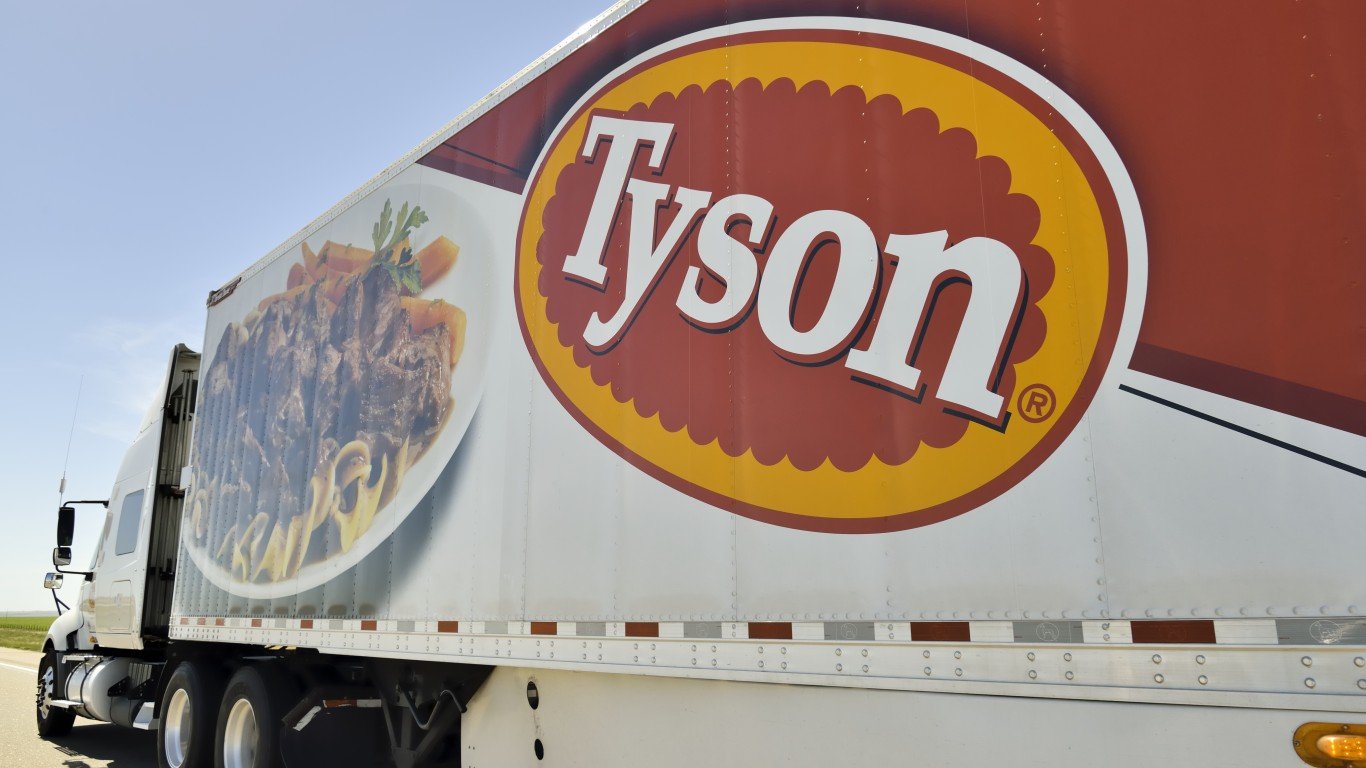
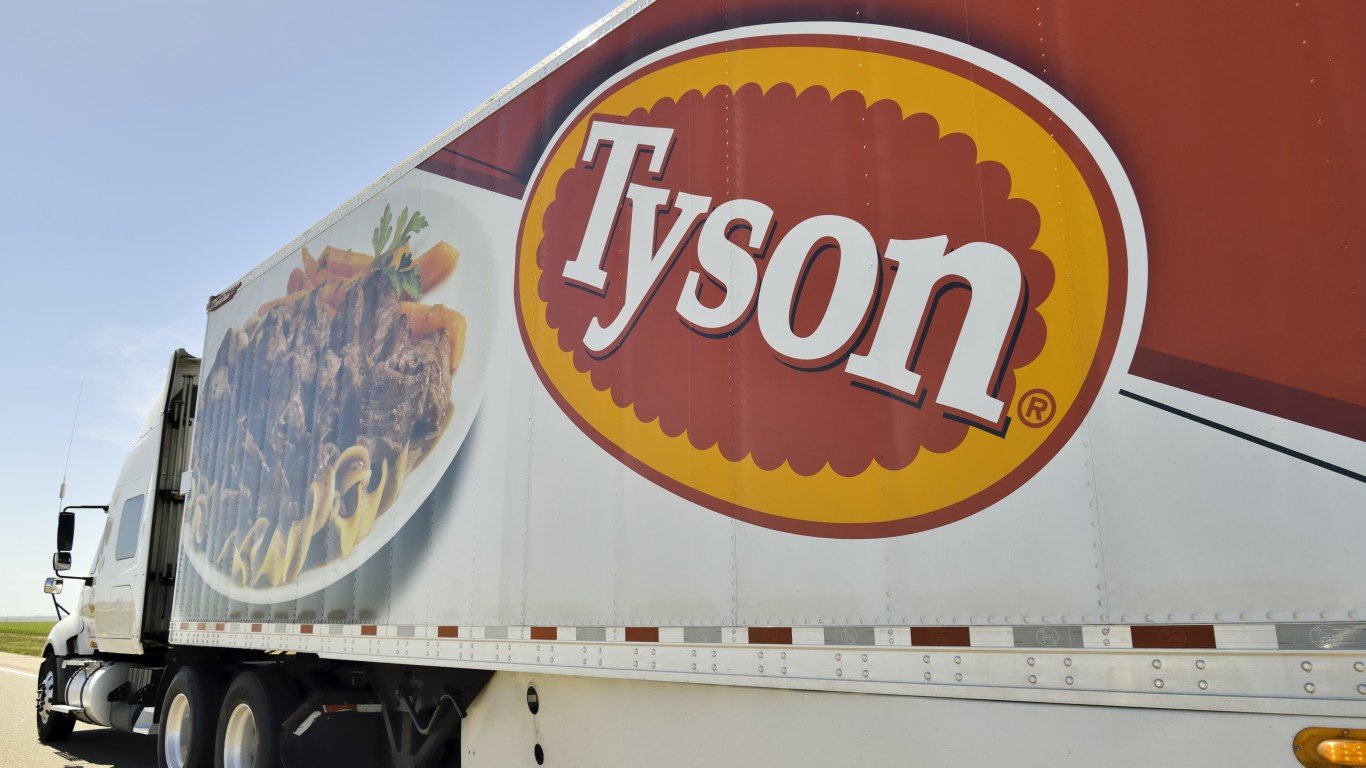
Tyson Foods (NYSE:TSN | TSN Price Prediction) has paid $0.51 per Class A share for four straight quarters, most recently on September 15, 2026. The stock trades at $51.14, down 10.51% year to date. For a retiree depending on that check, the key question is whether cash flow covers it while beef keeps losing money.

Free Cash Flow Covers the Dividend With Room to Spare
Tyson generated $1.177B of free cash flow in fiscal 2025 against a dividend bill of $697 million. Through the first nine months of fiscal 2026, free cash flow reached $913 million, and full-year guidance stands at $1.3 to $1.7 billion. Quarterly dividend payments run about $176 million.

Lower spending helps. Capex fell from $1.939 billion in fiscal 2023 to $978 million in fiscal 2025, with fiscal 2026 guided to $0.7B to $0.9B.
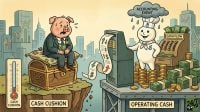
GAAP earnings look weaker. Trailing diluted EPS is $1.61, below the $2.04 annual dividend, dragged down by legal provisions of $248M this year and $738M in fiscal 2025. Cash coverage is solid. Earnings coverage is thin (we listed the seven warning signs that a big payout is about to be cut in a free dividend trap report).
Why Protein Margins Swing and What It Means for Income
A meat processor buys live animals and sells cuts, so when cattle, hog or feed costs jump faster than wholesale prices, the spread collapses. Beef shows the damage: a Q3 segment loss of $138 million as volume fell 15.9% even with pricing up 12.1%. Full-year beef guidance is a loss of $650 to $500 million.
Chicken offsets it. The segment earned $488 million at an 11.2% margin, its seventh consecutive quarter of growth. Management said roughly three quarters of chicken operating income now runs on committed customer demand, which it called a “pull business”. Chief Executive Donnie King framed the mix this way:
“These results reflect the power of our differentiated multi-protein portfolio, strong customer partnerships and focus on operational excellence.”
How Tyson Stacks Up Against Pilgrim’s Pride and Hormel
Pilgrim’s Pride (NASDAQ:PPC) is a pure-play chicken competitor riding the same poultry trend. It has no beef segment to absorb losses. Hormel Foods (NYSE:HRL) is a Dividend King that income investors treat as the benchmark for packaged-food payouts. Tyson sits between them: more branded exposure than a chicken pure-play, more commodity risk than Hormel. Prepared Foods, with a 12.6% margin, is the part that most resembles Hormel.
Falling Debt Protects the Payout
Total debt dropped to $8.006 billion from $8.830 billion at fiscal year-end. Net leverage is 2.1 times with $4 billion of liquidity. Management said it is focused on:
“Maintaining balance-sheet strength and Tyson’s investment-grade credit profile.”
One caution: short-term debt rose to $1.427 billion while cash fell to $740 million.
Verdict: A Safe Dividend With Slow Raises
The payout is safe. Free cash flow covers it easily, debt is shrinking, and chicken plus Prepared Foods carry the load while beef waits on the cattle cycle. Growth will stay low: the quarterly rate moved from $0.49 to $0.50 to $0.51 over the last two raises. At a forward P/E of 11, investors should watch fiscal 2027 guidance, beef losses and the Levi & Korsinsky securities investigation notices issued in September.
Contact [email protected] for any questions or corrections.
Chris Lange is a financial and geopolitical writer with more than a decade of experience covering a myriad of topics. He has published thousands of articles for 24/7 Wall St., with past coverage focused heavily on stocks, IPOs, healthcare, defense, global affairs, and technology.
His work has been quoted, or referenced by a number of outlets including Business Insider, USA Today, Yahoo Finance, MSN, The Motley Fool, and many other publications. A graduate of Southwestern University, he studied business with a focus on investments and has previous experience in banking and startups.
When not reading or writing the news, he is following his passion for Lacrosse, playing chess, or building solar projects with his dad.