Coca-Cola’s Secret Dividend Weapon Is a Business Model Most Investors Overlook
Coca-Cola has raised its dividend for over 60 consecutive years, yet the structural reason it can keep doing so stays hidden in plain sight. Understanding one quiet business decision explains everything about where that quarterly check actually comes from.

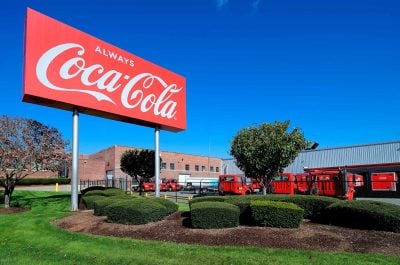
Coca-Cola’s quarterly check arrives with the reliability of a utility bill in reverse. The next one lands October 1, 2026 at $0.53 per share, an amount the company has been paying out every 90 days without visible strain. The reputation is well earned. The mechanics behind it are worth understanding.

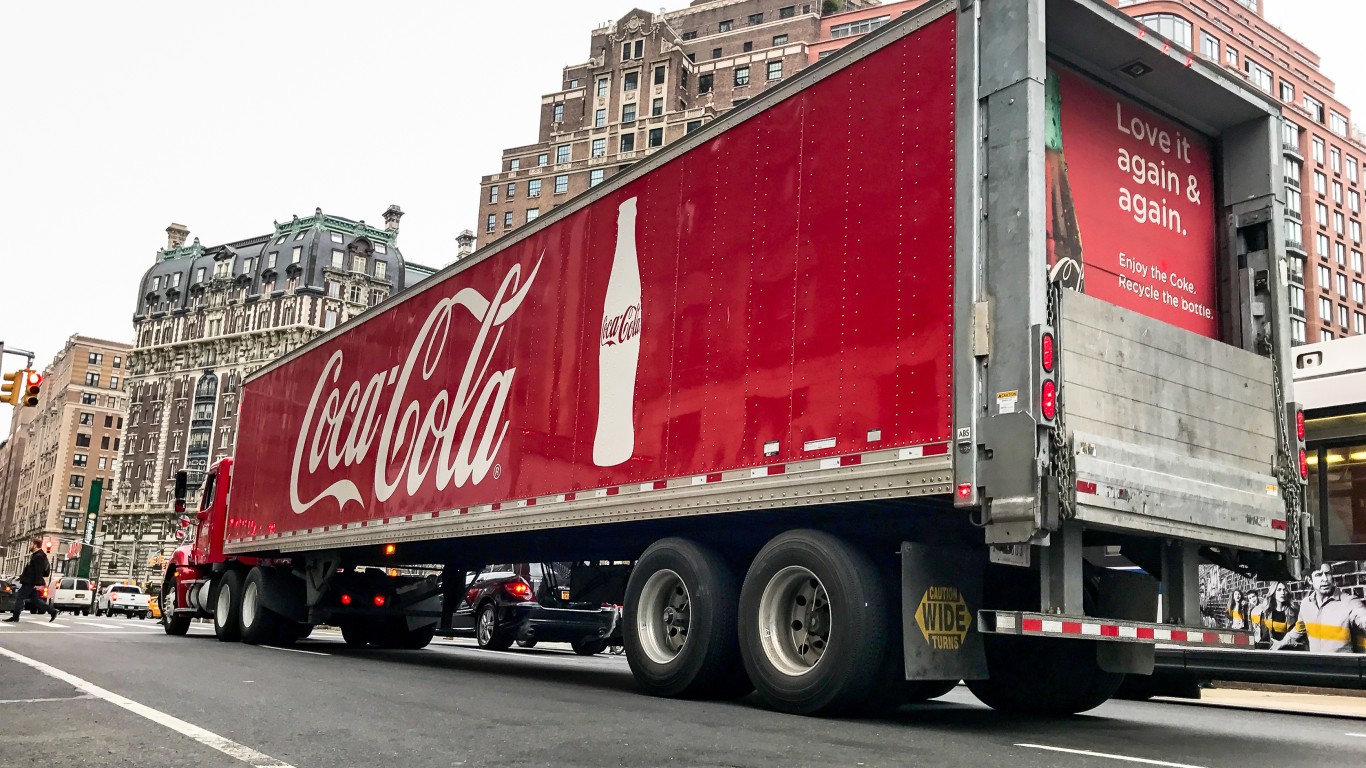
Coca-Cola (NYSE:KO | KO Price Prediction) mostly sells concentrate and syrup to a network of bottling partners who handle the capital-heavy work of manufacturing, filling, and distribution. That structural choice is the entire story. It is why gross margin runs at 61.63% and operating margin at 28.71%, and why capital expenditures are tiny relative to sales.
Cash Conversion in Plain Numbers
Management guided full-year 2026 free cash flow to approximately $12.4 billion, consisting of roughly $14.6 billion in cash from operations less about $2.2 billion of capex. On the Q2 earnings call, CFO John Murphy and CEO Henrique Braun reported free cash flow of approximately $6.9 billion already in the books, with net debt leverage at 1.4 times EBITDA, below the company’s target range of 2 to 2.5 times.

Against that, dividends paid in 2025 totaled $8.779 billion. The 2026 payment stream sits at $2.281 billion per quarter. Guided free cash flow covers that obligation with meaningful room, and 2025’s coverage was tighter only because of a large fairlife contingent consideration payment that management said normalizes going forward.
How KO Compares to Its Peers
PepsiCo (NASDAQ:PEP) is the obvious comparison and a fundamentally different animal. Pepsi owns Frito-Lay and Quaker, and it runs a much larger owned-bottling operation. That mix generates more absolute revenue but lower structural margins and higher reinvestment needs. Keurig Dr Pepper (NASDAQ:KDP) is a North American-heavy hybrid with pods and cold beverages, a shorter dividend history, and a lower yield ceiling. Coca-Cola’s asset-light model is why its return on equity sits at 45.97%. Neither peer produces that.
Payout Math That Income Holders Should Track
Trailing diluted EPS is $3.33. The annualized forward dividend is $2.12 per share. That is a high payout ratio by any read, and it is the single most important risk to flag for an income holder (the warning signs that a big yield is about to be cut are the whole subject of our free dividend traps guide). If comparable EPS growth of 9% to 10% versus $3 in 2025 materializes as guided, the ratio compresses. If earnings soften, the cushion is not deep.

Concrete Risks Facing the Dividend
Foreign exchange, long a headwind, has flipped. Management now expects an approximate three-point currency tailwind to comparable earnings per share for full-year 2026. That reverses quickly if the dollar strengthens. On the sugar shift, the portfolio has responded: Coca-Cola Zero Sugar volume grew 16% in Q2, and stills like fairlife, Powerade, and smartwater are pulling weight. There are also live overhangs, including a $960 million BODYARMOR trademark impairment in Q4 2025 and ongoing IRS tax litigation now sitting at the 11th Circuit Court of Appeals.
Braun’s summary on the call:
“We are really confident that we have many levers to deliver on our objectives in 2026 and over the long term.”
The verdict for an income holder: the payment is funded, and it is funded by a concentrate model that throws off cash without needing much capital back. Coverage from guided free cash flow is comfortable. The earnings-based payout ratio is the number to watch.
Contact [email protected] for any questions or corrections.
Chris Lange is a financial and geopolitical writer with more than a decade of experience covering a myriad of topics. He has published thousands of articles for 24/7 Wall St., with past coverage focused heavily on stocks, IPOs, healthcare, defense, global affairs, and technology.
His work has been quoted, or referenced by a number of outlets including Business Insider, USA Today, Yahoo Finance, MSN, The Motley Fool, and many other publications. A graduate of Southwestern University, he studied business with a focus on investments and has previous experience in banking and startups.
When not reading or writing the news, he is following his passion for Lacrosse, playing chess, or building solar projects with his dad.