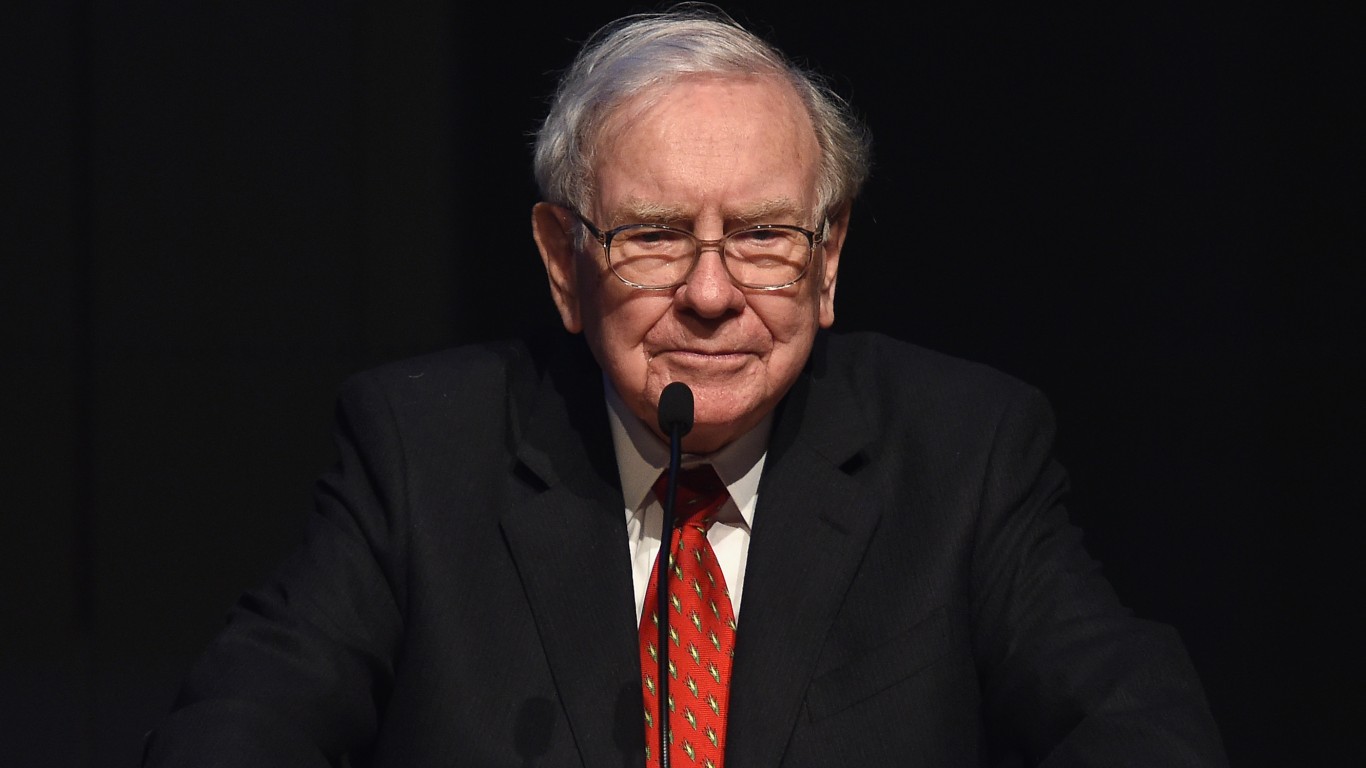
In 1980, a Kansas Welding Supplier Bought 40 Shares of Berkshire Hathaway, a Stock He Read About in a Book. Four Decades Later, Stewart Horejsi Was Number 379 on Forbes’ Billionaires List
A Kansas welder read a book about investors, spent under $100,000 on a single stock, and kept buying for years while running his family business. What that quiet, unglamorous bet compounded into over four decades is the kind of number…

A Book, a Welder, and a Bet That Wouldn’t Quit
In 1980, Stewart Horejsi was running his family’s welding supply company, Brown Welding Supply, in Salina, Kansas. Born in 1937 and a 1962 University of Kansas graduate, he picked up John Train’s The Money Masters, which profiled nine legendary investors, Warren Buffett among them. He put the book down and started buying Berkshire Hathaway (NYSE:BRK-A | BRK-A Price Prediction).
His first purchase was 40 Class A shares at $265 each. Two weeks later he added 60 more at $295. A month after, 200 more at $330. The three 1980 purchases totaled $94,300, funded by welding business profits. He kept buying for years.
Sale That Usually Gets Left Out
His position peaked at 5,800 Class A shares. By 1998 he had trimmed to 4,300 shares, a reduction of 1,500. That stake has remained unchanged since. The story usually gets told as pure buy-and-hold, but the sale makes the rest more credible.
Net Worth Figures, Each With a Date
Per Yahoo Finance and the Daily Ticker in 2013, his net worth was at least $1.1 billion. In 2019, Celebrity Net Worth pegged him at $1.1 billion, with the 4,300 shares worth nearly $750 million. In October 2023, Forbes debuted him on the Forbes 400 at $3 billion, ranked 379th. That report valued his stake at $2.2 billion and cited roughly $800 million in other assets.
Where the Stock Sits Right Now
Berkshire Class A traded at $757,884.54 as of 1:32 PM Eastern on September 22, 2026, up 0.76% in the session, on roughly fifteen-minute delayed data. Horejsi has held 4,300 Class A shares since 1998. Those two facts sit next to each other. Draw your own line. The $522,000 price behind the 2023 Forbes valuation is well below where the stock trades today.
Class A is up 83.92% over five years and up 248.05% over ten years. Year to date it is up 0.41% from $754,800 at year-end. The average annualized return has been roughly 19% since 1980.

Folding Chairs in a Cafeteria
Horejsi manages his money through Boulder Investment Advisors in Boulder, Colorado, and has held stakes in Wells Fargo (NYSE:WFC), IBM (NYSE:IBM) and Walmart (NYSE:WMT). He has attended more than 30 Berkshire annual meetings, including early ones with fewer than a dozen shareholders in folding chairs. This multi-decade outcome is exceptionally rare. A single concentrated position that works this well is survivorship at its most extreme (we studied the pattern behind a batch of recent runners most investors walked past in a free report here).
Contact [email protected] for any questions or corrections.
AJ spent 10 years writing about financial markets at The Motley Fool. His coverage centers on technology stocks and the broader macroeconomic trends, from interest rates to geopolitics, that shape where markets are headed next. AJ is drawn to the stories where big-picture economics and individual companies collide.