Own 141 Shares of Chevron (CVX) and Collect $1,000 a Year in Dividends
Chevron has raised its dividend for nearly four decades straight, but buying it near a 52-week high changes the math in ways most income investors overlook before sizing a position.

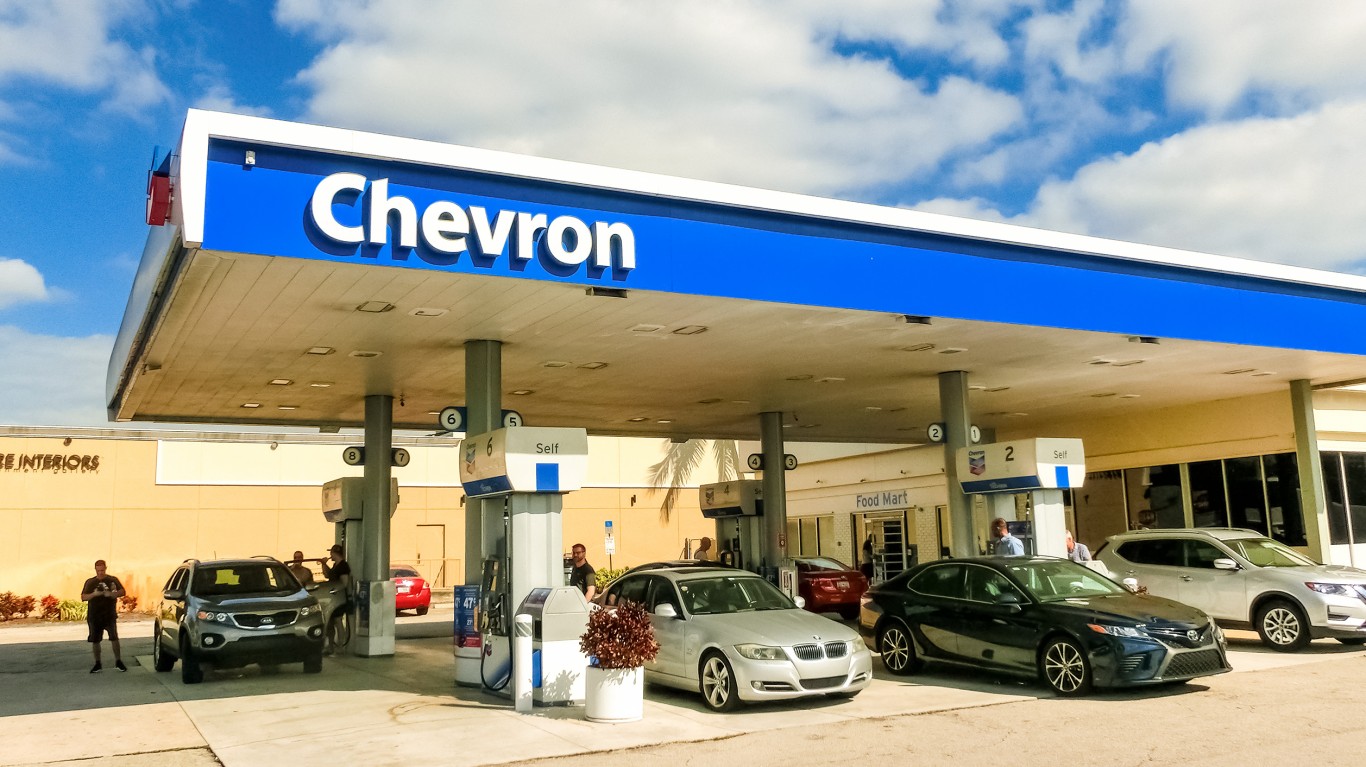
Chevron (NYSE:CVX | CVX Price Prediction) is one of the clearest income math setups in the market right now: a dividend growth blue chip with a live yield in the low-3s and a payout history that spans nearly four decades. The headline number is the anchor. At the current forward annualized dividend of $7.12 per share, roughly 141 shares of Chevron throws off approximately $1,000 in annual dividend income, paid in four quarterly installments.

Share Count and What It Costs Today
Chevron’s most recent declared quarterly dividend is $1.78 per share, paid on Sept. 10 to holders of record on Aug. 19. That rate has been confirmed on the three 2026 payments to date. The share count in the headline assumes that per-share payout remains in place; if Chevron raises again on its normal January cadence, the share count needed for $1,000 falls slightly.
Cost of the position matters as much as the yield. Chevron traded at $206.32 on Sept. 24. That is a stock that has moved up 32.34% year to date and 31.06% over the past year, so income buyers today are stepping in near the upper end of the 52-week range of $142.51 to $217.78. The current yield is 3.21%, well below where CVX yielded when the stock sat in the $140s a year ago.

What Actually Backs the Dividend
Chevron is oil-linked, and earnings swing with crude. What supports the payout through cycles is cash generation, coverage, and balance sheet capacity, and the Q2 2026 numbers spoke to all three.
- Cash flow from operations excluding working capital was $19.7 billion in the quarter.
- Adjusted free cash flow came in at $15.4 billion in Q2 2026.
- Management reduced debt by more than $8 billion in the quarter, taking net debt to CFFO to 0.6 times.
- Organic capex was $4.4 billion, with full-year 2026 spending tracking to the lower end of the $18 to $19 billion guide.
The Hess assets are pulling their weight. CEO Mike Wirth told analysts the acquired portfolio is generating “strong free cash flow, which has been roughly double the incremental dividends and accretive to shareholders on a per share basis.” Chevron also captured $1.5 billion in Hess synergies six months ahead of schedule and hit its $3 billion structural cost reduction target early.
Streak and What It Really Proves

Chevron’s Q4 2025 dividend was raised 4%, marking its 39th consecutive annual dividend increase. The dividend record in the data feed extends back to 1999 and shows an unbroken march higher in the quarterly rate from $1.29 in 2020 to $1.78 in 2026, which spans the 2020 crude collapse.
That streak shows commitment rather than a contractual guarantee. Chevron is still an integrated oil and gas major, and a sustained crude price decline pressures both earnings and coverage. The EIA’s May 2026 Short-Term Energy Outlook models world oil production climbing to 109.50 million barrels per day in 2027, a supply picture that puts a ceiling on how much room prices have to run if demand softens.
What to Do Before Sizing a Position
- Refresh the quarterly dividend and share price before you place the trade. The 141-share figure is tied to a $7.12 forward annualized payout; a January increase would lower the count required for $1,000.
- Model a 25% dividend cut against your monthly income line before you build around this yield. Chevron has not cut recently, but every oil-linked payout is a function of crude realizations.
- Compare the entry yield you get today near $206 against the yield history. Buying a dividend growth name near a 52-week high locks in a lower starting yield than the same stock offered nine months ago.
For an investor building a diversified income book, Chevron at the current forward payout remains a credible core position for the conservative sleeve. Coverage, balance sheet, and the 2030 target of greater than 10% per year adjusted free cash flow growth support the dividend through a normal cycle. The starting yield is the tradeoff, and it is the tradeoff every buyer accepts here (if the goal is living off the checks without selling shares, we walked through how to build that kind of ladder in a free dividend income guide).
Contact [email protected] for any questions or corrections.
Joel South covers large-cap stocks, dividend investing, and major market trends, with a focus on earnings analysis, valuation, and turning complex data into actionable insights for investors.
He brings more than 15 years of experience as an investor and financial journalist, including 12 years at The Motley Fool, where he served as an investment analyst, Bureau Chief, and later led the Fool.com investing news desk. He has also co-hosted an investing podcast and appeared across TV and radio discussing market trends.