China EVs Could Destroy Ford And GM
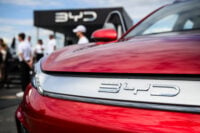
Ford's CEO once warned that Chinese EVs pose an existential threat to American automakers, and now GM's CFO is quietly signaling the same fear. The tariff wall protecting Detroit may not hold forever, and what comes next could reshape the…

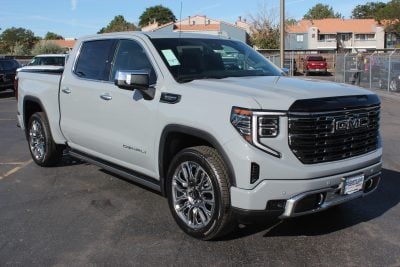
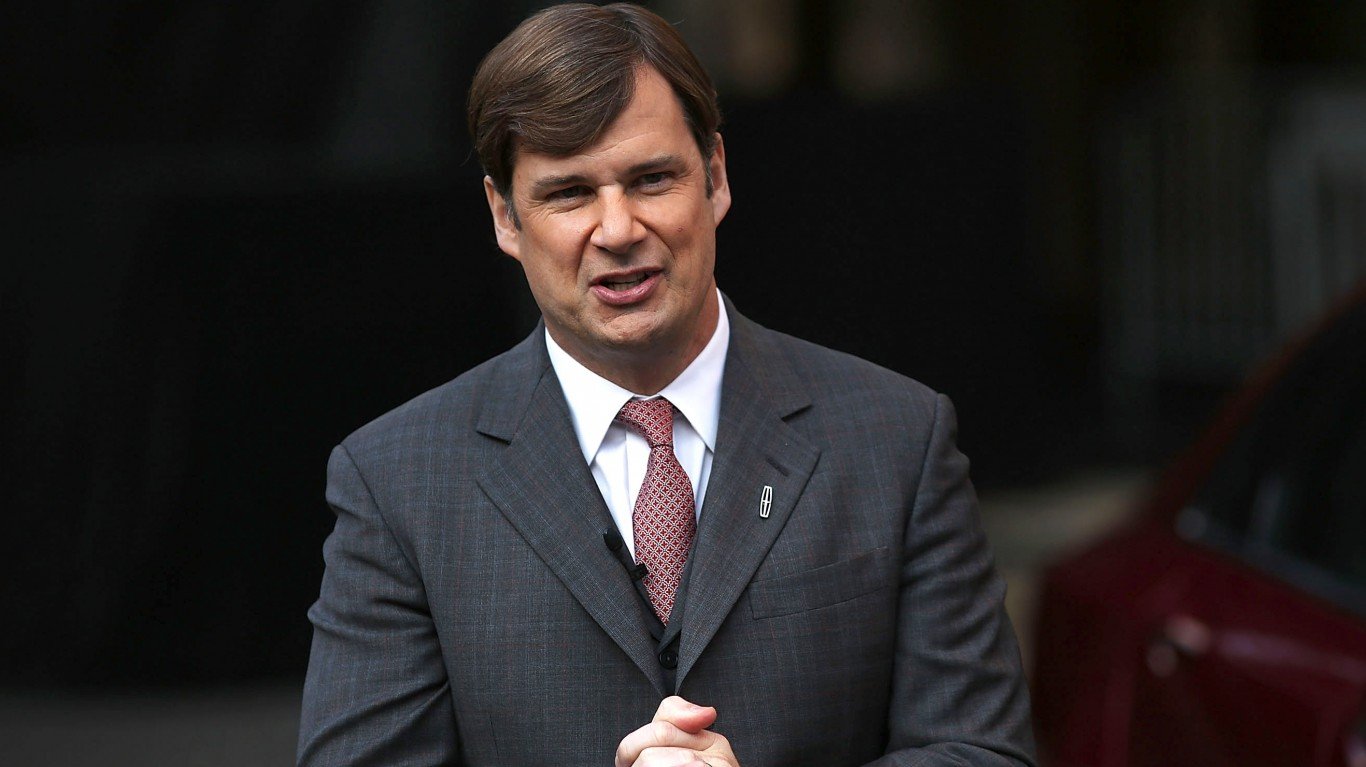
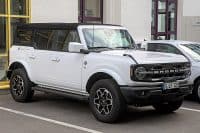
It has been over a year since Ford (NYSE: F | F Price Prediction) CEO Jim Farley said Ford “may not exist” if it cannot effectively compete with Chinese EV companies moving into the US in large numbers. He called the arrival of EVs in Western markets an “existential event.” He has a fair argument. Chinese car companies are successful because the government has funded them. However, they still build world-class EVs that, by many measures, are better than those built by the world’s largest fossil fuel carmakers.
It might be worth forgetting Farley’s statement, but the issue recently came up again from GM (NYSE: GM). Paul Jacobson, GM’s chief financial officer, recently said the US could be a “safe haven” for car companies worried about the Chinese EV onslaught. The FT reported that he said, “We need to make sure that the business is as competitive as possible with high-quality products and trim our structural costs wherever we can.” He decided not to address the issue head-on as Farley did.
GM can say the US will be a great place to sell American and European cars. However, that logic falls short. About 16 million new cars are sold in the US each year. The market is already crowded with cars from Europe, Japan, and South Korea. It is not a large enough market to be a “haven” if each of those companies, and GM and Ford, needs a place to sell their own EVs.
Second, most large legacy automakers have scaled back or exited the EV race. A few, including Ford and GM, have very modest efforts. They would need to completely transform themselves to match China’s EV quality, features, and manufacturing capabilities. The fact that China’s government helped fund Chinese car companies won’t matter.
Finally, the US has a moat. Its high tariffs on EVs from China keep them sidelined. However, President Trump may drop that as part of a larger trade package. Or, he might let Chinese EVs in the US if they build their cars here. That could mean more jobs in the US auto industry, at least temporarily. Otherwise, it will look like the American domestic car industry did in the late 1970s. Or, maybe worse.
Contact [email protected] for any questions or corrections.
Douglas A. McIntyre is the co-founder, chief executive officer and editor in chief of 24/7 Wall St. and 24/7 Tempo. He has held these jobs since 2006.
McIntyre has written thousands of articles for 24/7 Wall St. He is an expert on corporate finance, the automotive industry, media companies and international finance. He has edited articles on national demographics, sports, personal income and travel.
His work has been quoted or mentioned in The New York Times, The Wall Street Journal, Los Angeles Times, The Washington Post, NBC News, Time, The New Yorker, HuffPost USA Today, Business Insider, Yahoo, AOL, MarketWatch, The Atlantic, Bloomberg, New York Post, Chicago Tribune, Forbes, The Guardian and many other major publications. McIntyre has been a guest on CNBC, the BBC and television and radio stations across the country.
A magna cum laude graduate of Harvard College, McIntyre also was president of The Harvard Advocate. Founded in 1866, the Advocate is the oldest college publication in the United States.
TheStreet.com, Comps.com and Edgar Online are some of the public companies for which McIntyre served on the board of directors. He was a Vicinity Corporation board member when the company was sold to Microsoft in 2002. He served on the audit committees of some of these companies.
McIntyre has been the CEO of FutureSource, a provider of trading terminals and news to commodities and futures traders. He was president of Switchboard, the online phone directory company. He served as chairman and CEO of On2 Technologies, the video compression company that provided video compression software for Adobe’s Flash. Google bought On2 in 2009.