Boeing Just Beat Northrop for a $20 Billion Navy Fighter Contract
The Navy just handed Boeing a landmark fighter contract, but the stock barely moved and a protest from the loser could unwind the whole deal before a single jet gets built.


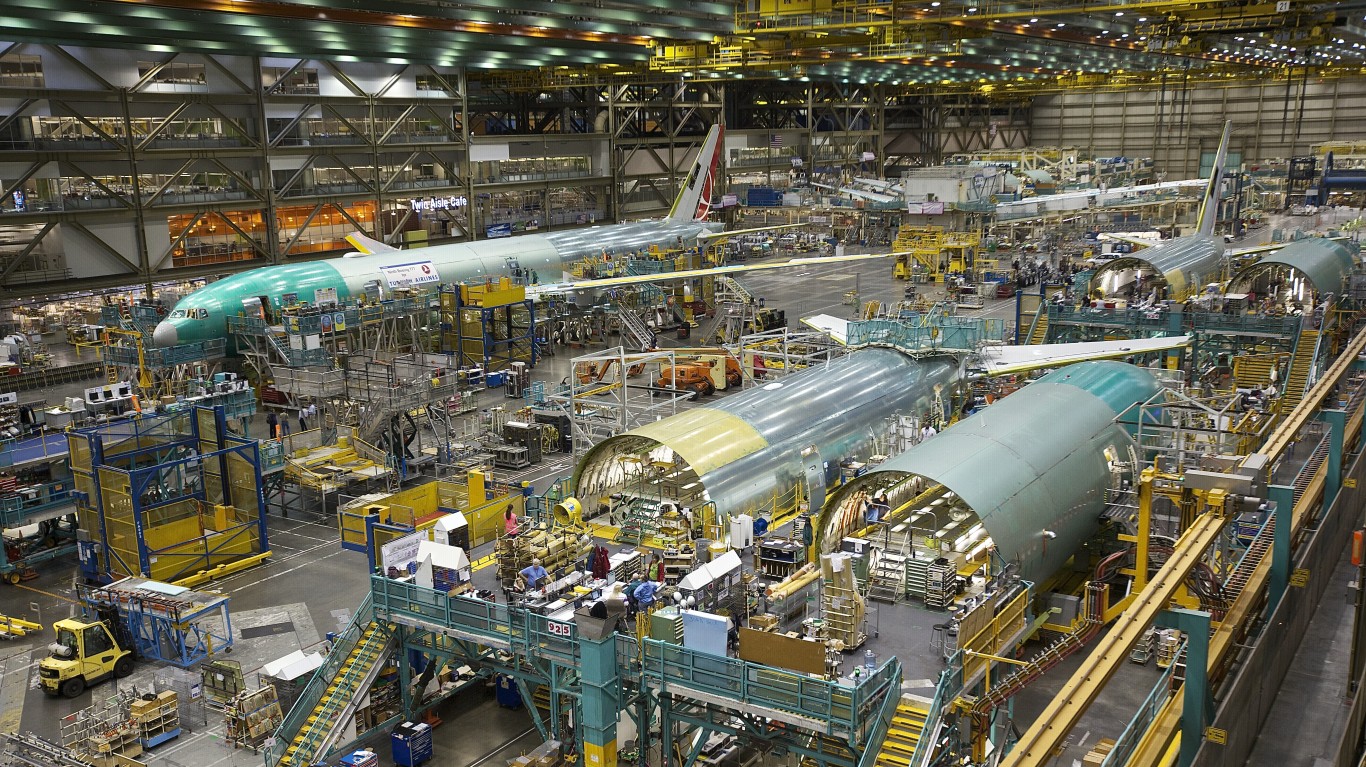
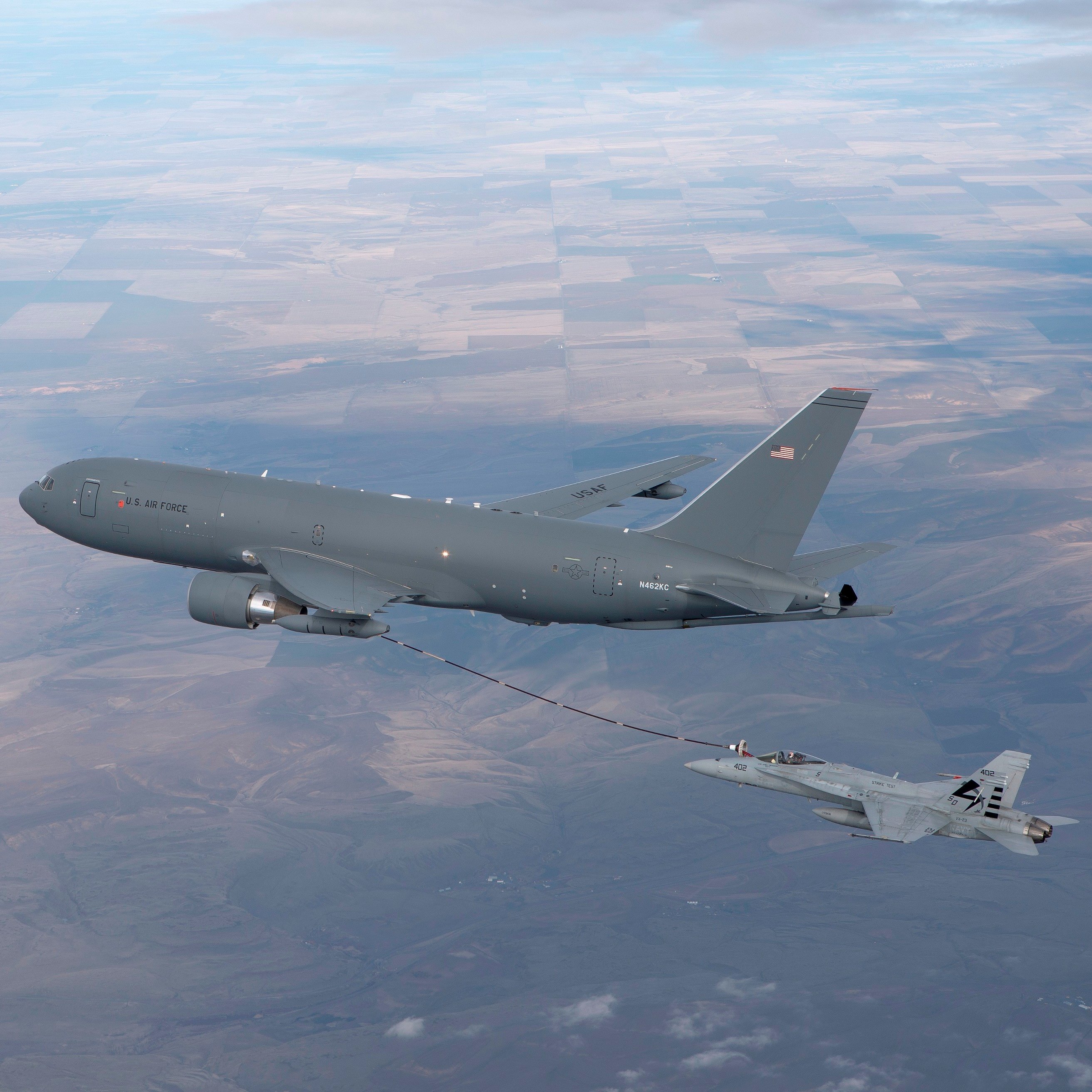
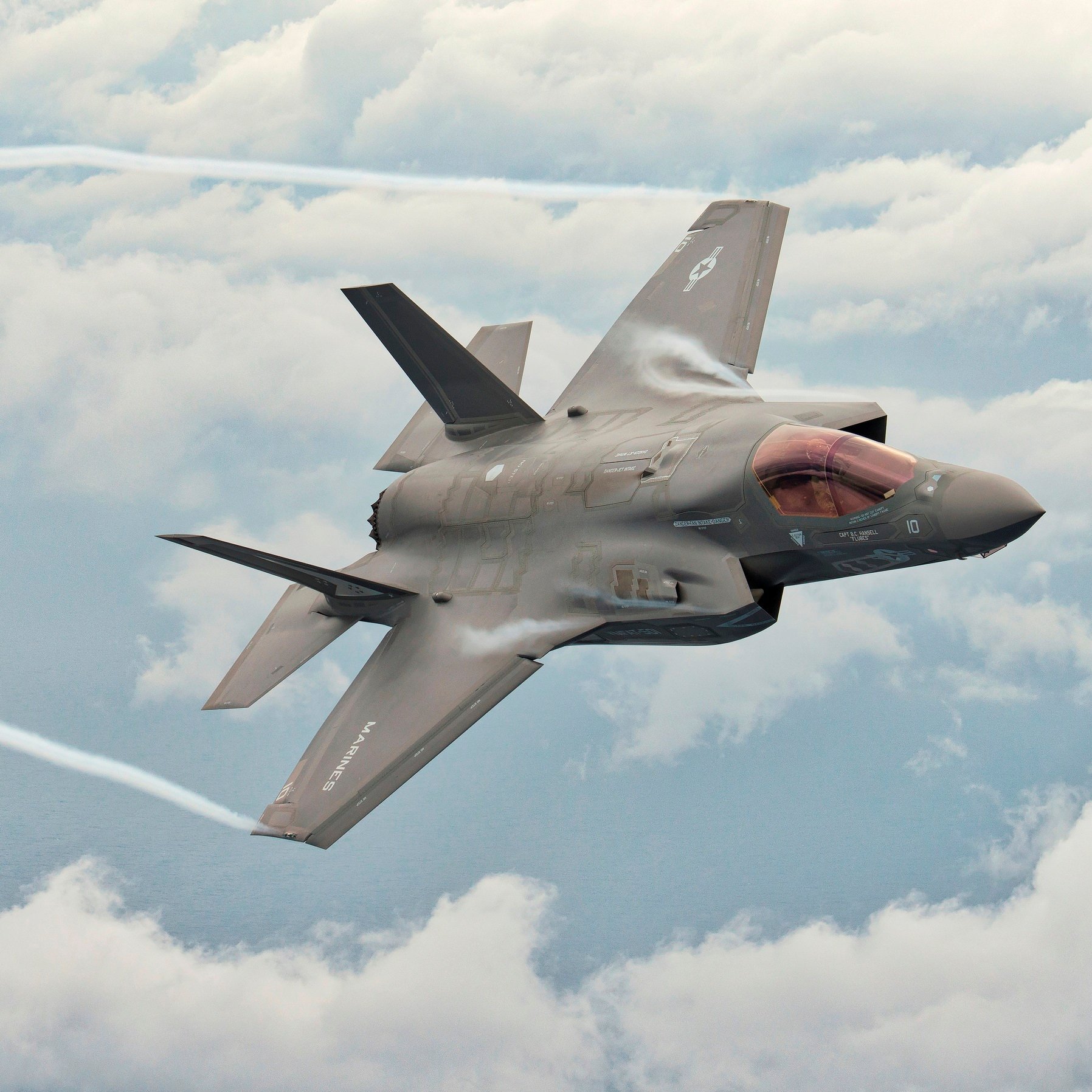
Late on September 29, 2026, the U.S. Navy selected Boeing (NYSE:BA | BA Price Prediction) to build the F/A-XX, its next-generation carrier-based fighter, over Northrop Grumman (NYSE:NOC). The award is about $20 billion for full-scale development, including several test aircraft, with service entry expected in the 2030s.
Boeing rose about 2% after hours that Tuesday, which noted the Air Force chose Boeing for the F-47 in 2025. By the close on Wednesday, September 30, Boeing sat at $186.09, down 0.85%. Northrop fell 4.2% to $483.42 in that session, so the market treated the loss as more significant than the win.
What the Navy Actually Bought
The signed commitment is development work and test jets. The lifetime program value is in the hundreds of billions of dollars, but that is a forecast, and no production contract exists.
Michael Duffey, Under Secretary at the time of the award, said: “F/A-XX will dominate contested airspace, extend operational reach, and deliver decisive combat advantage.” Those words describe a jet that is still in development. Hung Cao, acting Navy Secretary when the award was made, called it “a generational leap in air superiority”.
Boeing Wins a Second Fighter, With Familiar Risks
Boeing’s Defense, Space & Security segment posted a $15 million second-quarter operating loss on $7.48 billion of revenue after a $280 million VC-25B charge.
Fixed-price development work caused that damage, and the F/A-XX contract type has not been disclosed.
Against a record $715 billion backlog, the award matters far more to the defense unit than to Boeing overall.
It also followed a September 28, 2026 decline, on reports of a 737 MAX bug that could disable an automated navigation feature during a missed landing approach.
Northrop’s Loss May Not Be Final
Northrop acknowledged the decision, is waiting for details on why it lost, and could still file a protest. Treat the result as provisional until that is settled.
It’s at a 52-week low of $479.02, close to the September 30 close. Yet second-quarter backlog hit a record $104.69 billion, and management raised 2026 sales guidance to $43.75 billion to $44.25 billion.

Reality Check: Boeing’s Payoff Is Years Away
Boeing is down 14.31% year to date and 13.8% over one year, well below its 52-week high of $254.35. That picture held after the award.
Development revenue comes in slowly. The announcement included no production quantities, no unit price, and no delivery schedule, the terms that eventually drive profit. Boeing trades at 66 times trailing earnings and 50 times forward, while Northrop trades at 16 times trailing and 17 times forward.
What Investors Should Track Next for Boeing and Northrop
Northrop trades at a far lower multiple, and Boeing’s win leaves the stock at 50 times forward earnings. Northrop pays a $9.40 annual dividend per share, and its price already reflects the F/A-XX loss.
Boeing’s first test is its third-quarter report on October 27, 2026. A fixed-price F/A-XX structure would raise charge risk, while cost-plus terms, where the government reimburses costs plus a fee, would ease it.
For Northrop, a protest filing would challenge the award, and a close below its 52-week low would signal more serious damage than one lost contract.
Contact [email protected] for any questions or corrections.
Omor Ibne Ehsan is a writer at 24/7 Wall St. He is a self-taught investor with a focus on growth, cyclical, and dividend equities that have strong fundamentals, value, and long-term potential. He also has an interest in high-risk, high-reward investments such as penny stocks.