Ethereum Upgrades and Solana’s ETF Inflows: Which is the Best Buy for 2030?

This post may contain links from our sponsors and affiliates, and Flywheel Publishing may receive compensation for actions taken through them.

Ethereum (CRYPTO:ETH) and Solana (CRYPTO:SOL) offer different incentives for investors looking to hold until 2030. Ethereum is currently testing its Glamsterdam upgrade, while U.S. spot funds focused on Solana have experienced 11 consecutive weeks of inflows. This raises the question: when comparing Ethereum vs. Solana, which one better supports your long-term savings goals by 2030?
Both cryptocurrencies are trading significantly below their all-time highs. As of October 1, 2026, Ethereum is priced around $2,706, down 45.3% from its August 2025 peak of $4,946. Meanwhile, Solana is trading around $118, which is 59.8% below its all-time high of $293 from January 2025. So, which asset is more suitable for your savings as we approach 2030?
Ethereum Needs an 83% Gain as Glamsterdam Enters Testing
Ethereum tends to be a more stable investment. With a market cap of $330 billion, it is nearly five times larger than Solana’s $69.4 billion. To regain its previous high, Ethereum would need to rise by 83%.
The Glamsterdam upgrade is set to be tested on the Sepolia network on October 6, after a previous delay. A test network allows developers to evaluate changes before implementing them on the main network. Ethereum’s last major upgrade, called Fusaka, went live in December 2025. However, a mainnet launch date for Glamsterdam has not been announced yet, and any delay could dampen investor interest.
Ethereum’s large market cap limits its upside potential; the larger the network, the more new capital it needs to see significant price increases. Additionally, competing layer-2 networks could attract some of the transaction fees that Ethereum currently earns. Another factor to consider is that Ethereum has no hard supply cap, with approximately 122.1 million ETH currently in circulation.
Solana Leads on ETF Demand, but Fund Flows Can Reverse
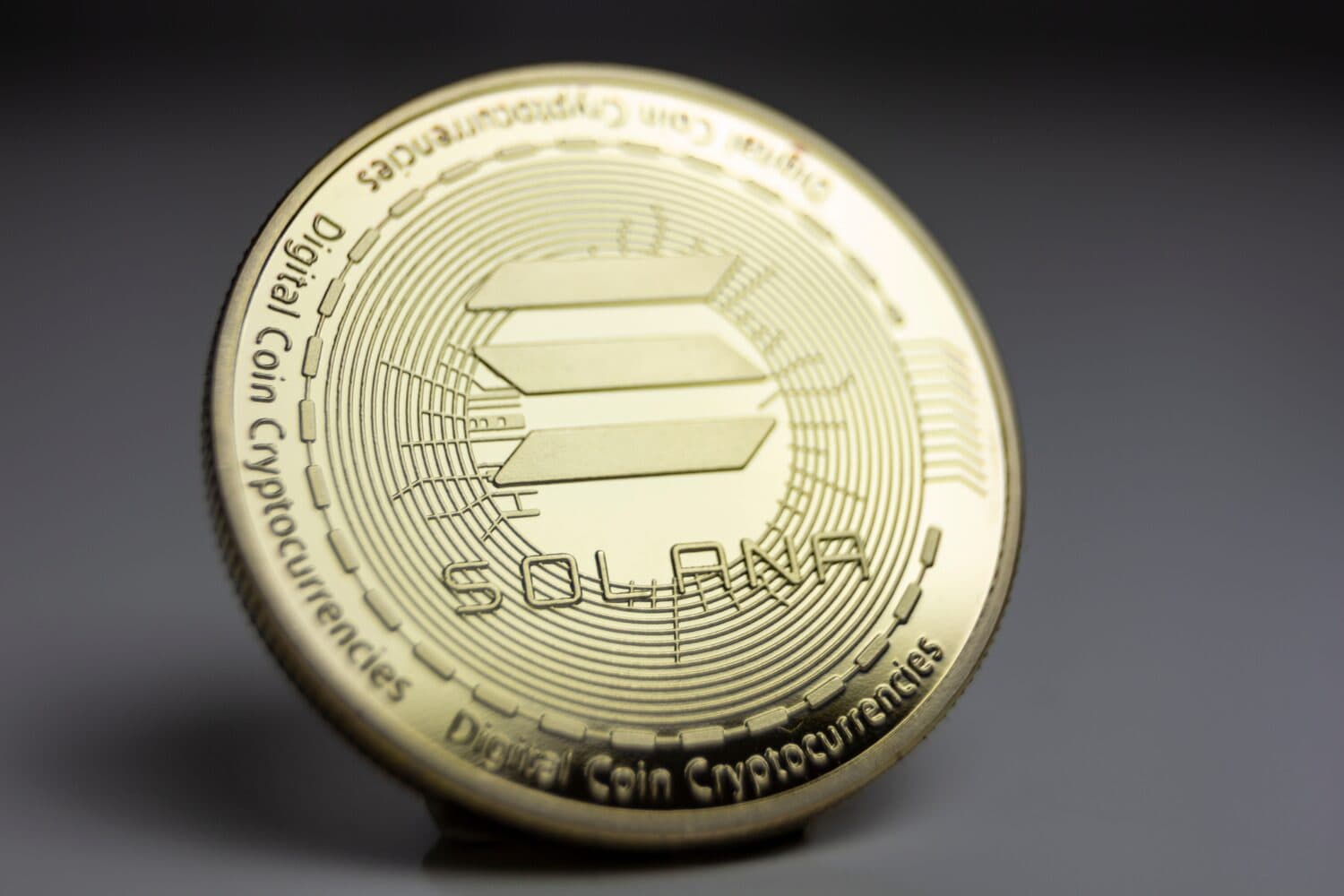
On the other hand, Solana has demonstrated a robust demand, particularly among U.S. spot funds. These funds, which hold Solana directly, have attracted inflows for 11 consecutive weeks, including a significant $188 million in one week. These funds currently hold about 4.37 million SOL, worth approximately $515 million.
Solana has also shown stronger recent performance, with a 16.2% gain over the past 30 days compared to Ethereum’s 9.8%. Additionally, the number of tokenized assets and stablecoins on the Solana network has reached record levels, signaling increasing usage alongside recent fund inflows.
However, fund inflows can quickly reverse. Even with several months of positive demand, we must consider whether Solana can maintain this momentum through 2030. In early September, Solana experienced a sharp 96% drop in inflows, and it has since lost ground, trading below $120. To return to its peak, Solana would need a 149% increase, and about 588 million SOL are currently in circulation.
Is Ethereum or Solana the Better Buy for a 2030 Retirement Plan?
When looking at the options, Ethereum appears to be a safer choice for a retirement portfolio targeting 2030. With an 83% rise needed to regain its high compared to Solana’s 149%, and a substantially larger market cap, Ethereum offers a lower-risk investment with less chance of significant loss. Solana, on the other hand, suits risk-tolerant investors seeking potentially higher gains driven by recent fund momentum.
However, investors should remain cautious. If Glamsterdam experiences delays or issues during testing, Ethereum’s advantage could falter. Conversely, if Solana continues to attract substantial investment, it may warrant greater consideration in the Ethereum vs. Solana debate for future investment decisions leading into 2030.
Contact [email protected] for any questions or corrections.
Sam Daodu is a crypto analyst and the editor of 24/7 Wall St.'s Crypto Desk, where he covers Bitcoin, XRP, Ethereum, Solana and the altcoins investors search for most. His work focuses on price levels, spot ETF flows, on-chain data and the regulatory decisions that move crypto markets, written so a first-time buyer and a seasoned trader can both use it.
Sam has written about crypto professionally since 2019 and has published more than 2,000 articles. Before joining 24/7 Wall St., he wrote for crypto media outlets and Web3 companies and ghostwrote for crypto founders and token launches. His analysis is syndicated on Yahoo Finance, MSN and AOL and has been cited by other crypto news sites. He also founded MacLabs Marketing, a content and personal branding agency for crypto founders and executives.
When he isn't reading charts, Sam is usually at the gym or watching One Piece, a series he maintains has better tokenomics than most altcoins.