Ohio MAGA Rally Becomes “Far More Muted” When Trump Explains Why “There’s So Much Money To Be Made For Ohio”
Trump told a fired-up Ohio crowd there was money to be made, and the room went quiet. What he said, and why even his supporters pulled back, reveals a fault line running straight through Republican politics in 2026.


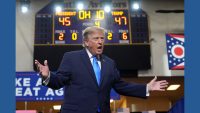
Speaking at Butler High School in Vandalia on October 3, campaigning for Jon Husted’s Senate race against Sherrod Brown, Trump told the crowd there was “so much money to be made for Ohio” from the facilities. He warned: “You can’t just turn them off. They’ll go to China.”, according to TradingView
According to the Associated Press, the crowd had responded with enthusiasm when he talked about other policies, but it was “far more muted” during the data centers remark. Fortune wrote that the rally got quiet after he supported data centers, and it called them a toxic political issue. Fortune and Benzinga both described the reaction as “notably subdued.”
A Loud Crowd Cools on a Single Topic
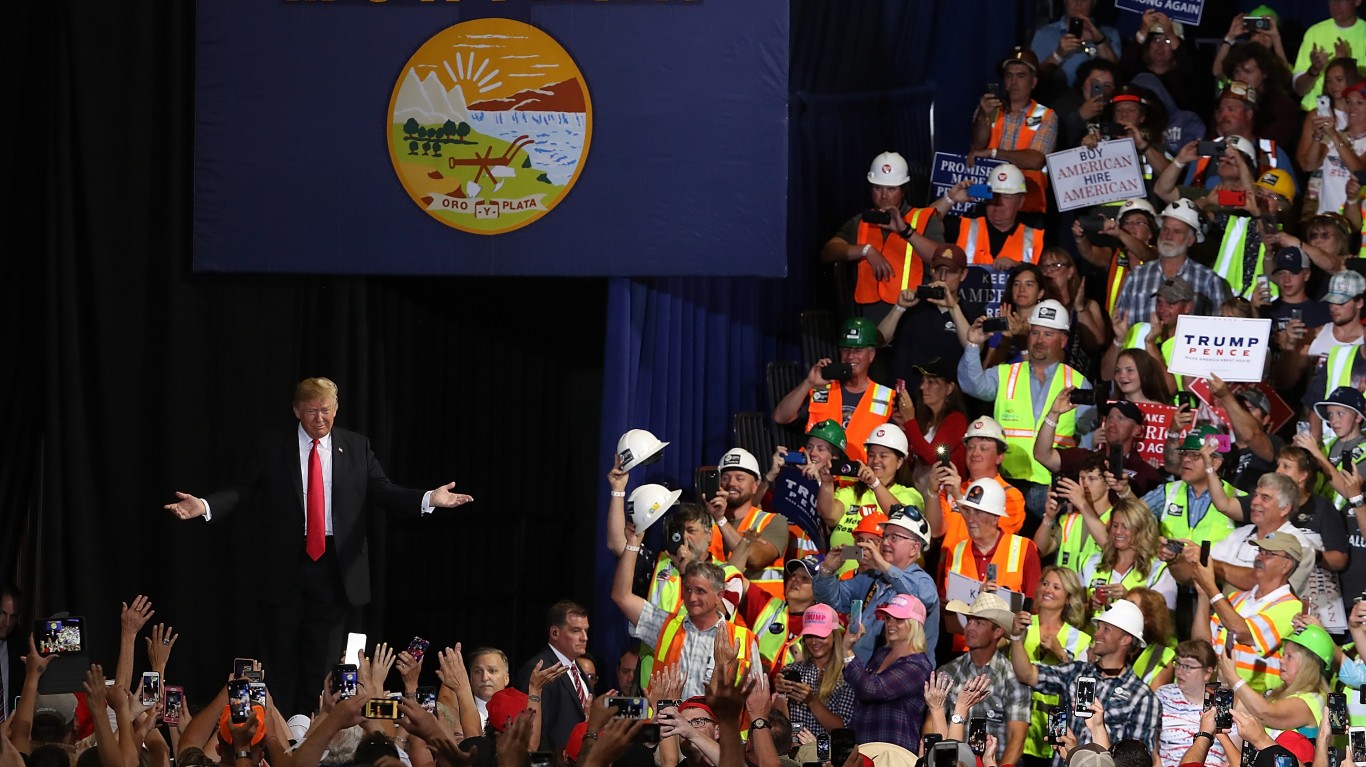
The shift stood out in a boisterous room wearing red Make America Great Again hats and Trump 47 jerseys. Local reporting noted more than 100 protesters lined the road outside. One subject drew a significantly different response from the rest of his material.
Trump’s Argument: The Money Can Leave
Trump has made the money argument for months. In a July post, he called data centers “LIQUID GOLD” and “Money Machines” for the state where they are built.
The China line is the core of the pitch. On August 31, he wrote that if “we kill the Golden Goose,” you will only have yourselves to blame, and that China could not be happier with the anti-data center movement. The rally quote boiled that post down to a sentence. His claim goes further than saying data centers make money. He argues the money depends on letting them be built, because blocking them sends the projects somewhere else.
Why Ohio Voters Push Back
PBS NewsHour reports data centers have become controversial in Ohio over electricity rates, farmland, and water. Brown’s campaign argues Husted handed tech companies billions in tax breaks while Ohioans pay higher energy bills. The National Republican Senatorial Committee has identified the issue as a liability in the race.
Huge Spending, Few Permanent Jobs
Data center investment reached about 1.4% of U.S. gross domestic product in the first quarter of 2026. Permanent employment is far smaller: Fortune puts the average at about 200 permanent jobs per facility, with Virginia data showing one permanent job for every $54 million invested.
A Colorado General Assembly research report details this gap. Construction employs thousands, but those jobs end when building finishes. The report estimates approximately 43 workers per 100 megawatts of capacity once running. Spending is large and growing; permanent payroll is small next to it. That gap likely explains why a crowd in a state hosting these projects held back applause. The dollars still have to land somewhere, though, and much of it flows to the power, cooling, and networking suppliers behind the expansion (we pulled together seven of them in a free report here).
What Ohio Voters Are Weighing
Ohio voters are being asked to weigh two sides of the issue. On one side are the tax revenue and jobs Trump calls liquid gold, along with his warning that the investment will go overseas if the state turns it away. On the other are electricity bills, farmland and water. Both Senate candidates are now arguing over data centers directly, and the Vandalia crowd showed that even a friendly audience takes the question seriously.
Contact [email protected] for any questions or corrections.
AJ spent 10 years writing about financial markets at The Motley Fool. His coverage centers on technology stocks and the broader macroeconomic trends, from interest rates to geopolitics, that shape where markets are headed next. AJ is drawn to the stories where big-picture economics and individual companies collide.