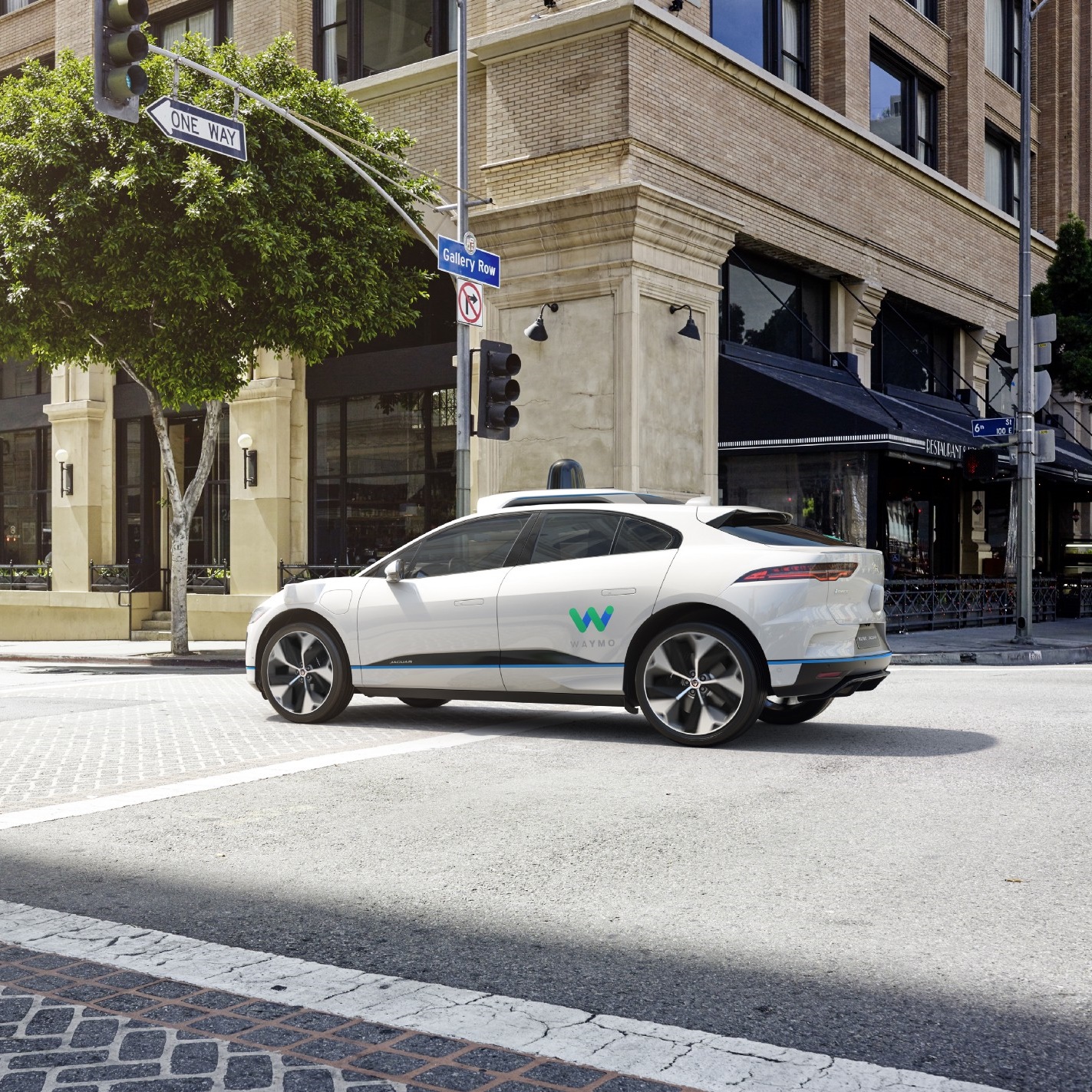
Waymo Just Borrowed $5 Billion for the First Time
Alphabet sits on one of the largest cash piles in corporate history, so why did its robotaxi unit just walk into a room full of private credit funds and ask for $5 billion? The answer reveals something surprising about how…

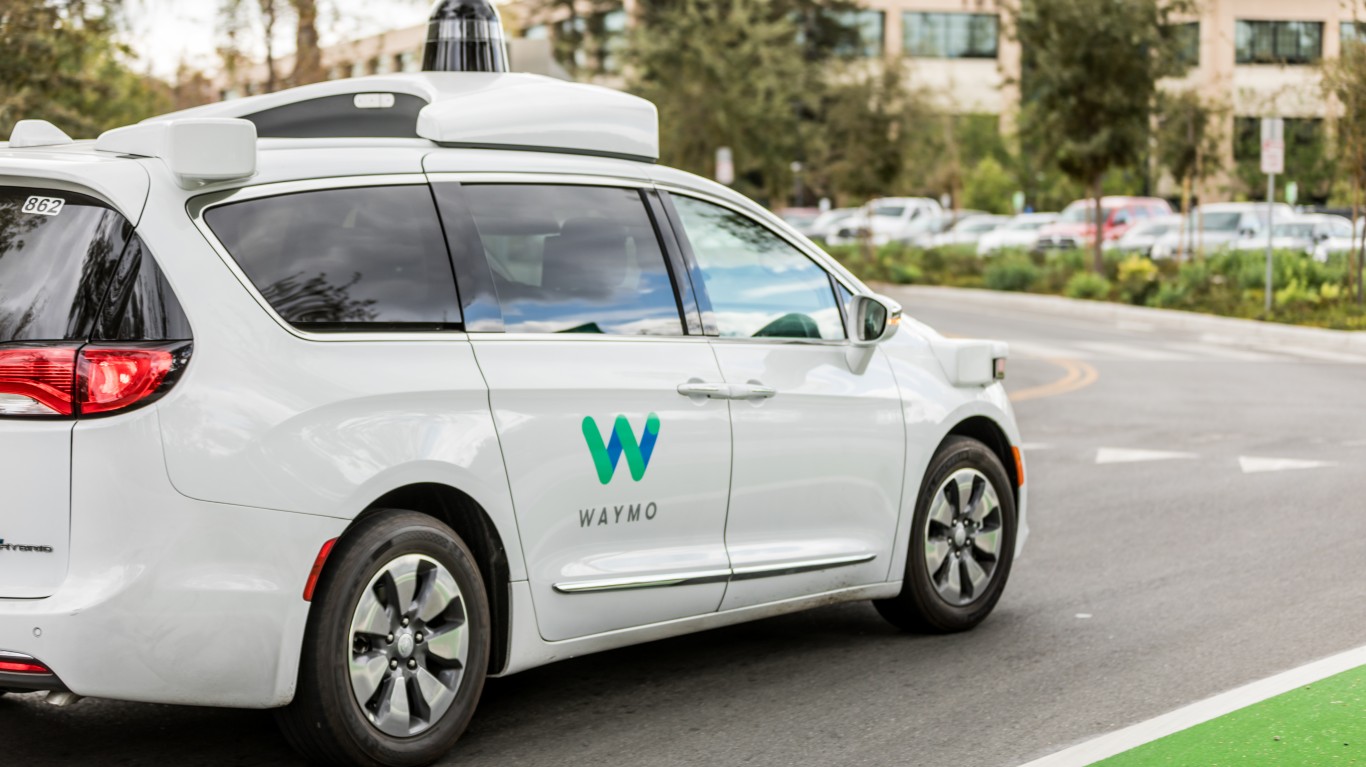
Alphabet (NASDAQ:GOOG | GOOG Price Prediction, NASDAQ:GOOGL) is one of the world’s most cash-rich companies. Even so, on October 8, 2026, its robotaxi unit Waymo closed a $5 billion term loan from private credit funds and institutional lenders. It is Waymo’s first debt financing. In a blog post, Waymo CFO Steve Fieler called the loan “an important step in our evolution into a scaling commercial enterprise.”
Alphabet shares closed at $351.66 on October 9, up 0.97% for the session. That is a small move for a company worth $4.30 trillion, and it makes sense, because the amount barely matters at the parent level. More telling is that Waymo went to outside lenders when Alphabet could have funded it directly.
What Waymo Actually Signed
A syndicated term loan is a fixed sum put up by a group of lenders and repaid on a set schedule. PIMCO, Blackstone (NYSE:BX) and Sixth Street led the syndicate; Capital Group, Loomis Sayles and T. Rowe Price were significant lenders, and Goldman Sachs (NYSE:GS) was the sole lead bookrunner. Apollo (NYSE:APO), Blue Owl (NYSE:OWL), Oaktree, HPS Investment Partners, Fidelity and others also took part.
Waymo did not disclose the maturity or the exact interest rate. Alphabet’s filings show no 8-K for the deal, so it has not disclosed whether the parent guarantees the loan.
Loan Pricing Shows How Lenders Rate Waymo’s Risk
Bloomberg reported that Waymo first sought more than $3 billion at a spread of more than 500 basis points, then made the deal bigger and priced it at 5.25 percentage points over the benchmark on October 6. A spread is the extra interest a borrower pays above a base lending rate. A basis point is one hundredth of a percentage point.
The larger size and tighter price mean lender demand ran ahead of the amount on offer. Still, that spread is in high-yield territory, well above what a parent with 175.5x interest coverage would likely pay, so lenders are pricing Waymo’s risk on its own.
Why Alphabet Let Outside Lenders In
Outside creditors bring their own discipline. They also add a second market check alongside the $16 billion February equity round at a $126 billion valuation, which Alphabet majority-funded.
A vehicle fleet also uses up large amounts of cash, and Alphabet would rather share that load. The parent raised roughly $70 billion in equity and debt in the second quarter alone, suspended buybacks, and guided 2026 capital spending to $175 billion to $185 billion.
Waymo’s Operating Case Is Still Unproven
Waymo launched in Las Vegas in September, its 15th US city. It is testing in London and Tokyo and plans to expand to Munich in 2027 and Singapore in 2028. Bloomberg reported more than 500,000 paid trips a week across 14 US cities in early September, a figure the loan announcement did not update.
Trip counts say nothing about whether each trip makes money, and Waymo releases no per-trip economics. Other Bets, the segment that includes Waymo, reported just $382 million of second-quarter revenue. Insurance, regulators and fleet costs remain open problems that borrowing does not fix.
What the Loan Means for Alphabet Shareholders
The loan leaves Alphabet’s valuation largely intact, because the core business drives the stock: Google Cloud revenue grew 82% last quarter, and the shares trade at about 18 times trailing earnings and 23 times forward earnings.

For shareholders, the useful part of the loan is that outside lenders have now put their own price on Waymo’s risk. If Waymo’s next raise prices tighter than this one, lenders are viewing it more and more as a business that can stand on its own. Alphabet remains the only listed security that holds Waymo, so the parent’s stock is the only public-market exposure to the robotaxi unit.

Alphabet’s next earnings report is scheduled for October 28, though the company has not confirmed the date. If that report leaves the loan’s recourse terms unclear and the stock closes below $340.03, its 200-day moving average, the bullish case weakens.
Contact [email protected] for any questions or corrections.
Omor Ibne Ehsan is a writer at 24/7 Wall St. He is a self-taught investor with a focus on growth, cyclical, and dividend equities that have strong fundamentals, value, and long-term potential. He also has an interest in high-risk, high-reward investments such as penny stocks.