Tesla Has 2 Million Mobile Cameras, but Alphabet Has 10 Cities of Pure Driverless Data
Tesla (NASDAQ: TSLA | TSLA Price Prediction) and Google (NASDAQ: GOOGL) both reported Q1 FY2026 earnings that sharpened the autonomy debate in opposite directions. Tesla leaned on a global fleet streaming video into its training clusters. Alphabet leaned on Waymo…

Tesla (NASDAQ: TSLA | TSLA Price Prediction) and Google (NASDAQ: GOOGL) both reported Q1 FY2026 earnings that sharpened the autonomy debate in opposite directions. Tesla leaned on a global fleet streaming video into its training clusters. Alphabet leaned on Waymo collecting paid driverless miles across real city streets. Both want the robotaxi crown. Only one is already cashing fares.
Camera Fleet Funds Tesla. Cloud Demand Funds Alphabet.
Tesla posted $22.39 billion in revenue, up 15.78% year over year, and EPS of $0.41, beating consensus by 14.14%. Automotive gross margin expanded to 21.1% from 16.2%, and active FSD subscriptions hit 1.28 million, up 51%. R&D climbed to $1.95 billion, much of it pointed at AI5 silicon and the unsupervised Robotaxi rides launched in Dallas and Houston.
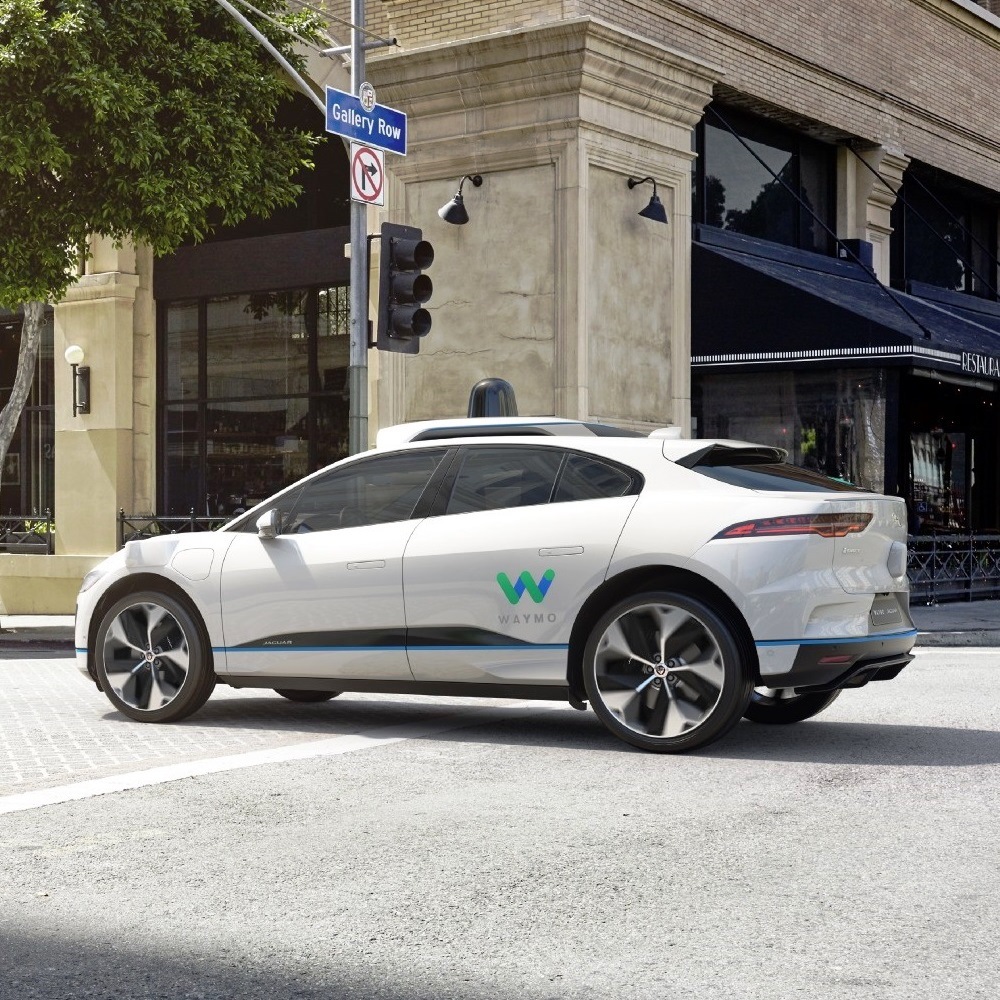
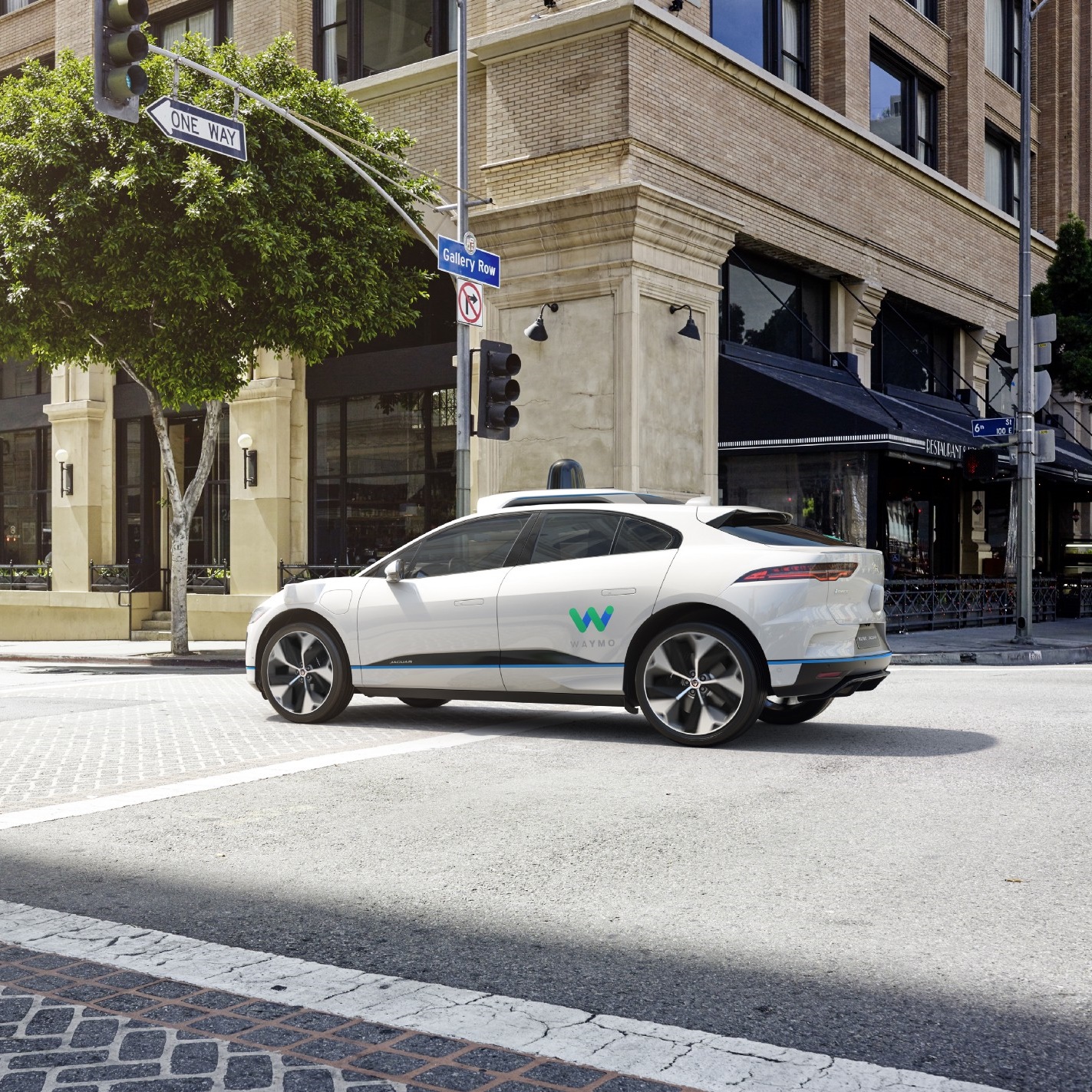
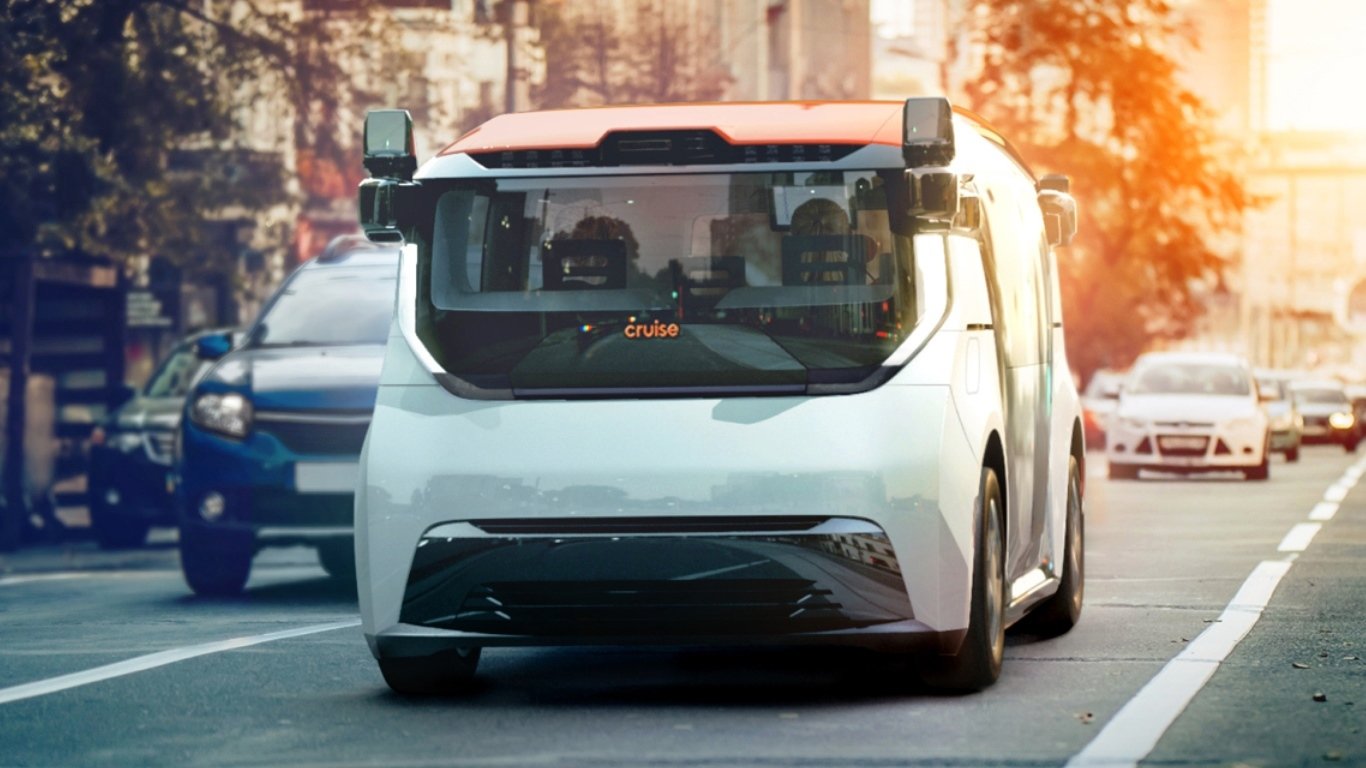
Alphabet’s quarter was a different magnitude. Revenue reached $109.90 billion, EPS landed at $5.11 versus a $2.63 consensus, and Google Cloud jumped 63% to $20.03 billion with backlog nearly doubling to over $460 billion. CEO Sundar Pichai noted, “I’m pleased to see Waymo surpass 500,000 fully autonomous rides a week.” That is paid, unmonitored throughput.
Mass Market Fleet vs. Metro by Metro Rollout
The strategic split is visible in how each company spends. Tesla pushed millions of customer-owned vehicles streaming real-world video directly into its Cortex training clusters, financed by its own auto margins and a $44.74 billion cash pile. Alphabet, meanwhile, guided 2026 capex to $175 to $185 billion, funded by Search and YouTube ads that still grew 19% and 11% respectively.
| Lens | Tesla | Alphabet |
| Autonomy data source | Supervised consumer fleet | 10 metro regions of Level 4 driverless |
| Operating margin | 4.6% | 36.1% |
| Free cash flow (Q1) | $1.44B | $10.12B |
| Key vulnerability | Robotaxi regulatory approval | Capex compressing FCF |
Tesla’s vision-only approach scales cheaply per car. Waymo’s stack is expensive per car, but it is already booking fare revenue while Tesla’s Cybercab is still in pilot production at Gigafactory Texas.
The Next Test Is Commercial Driverless Miles
Polymarket traders price a Tesla robotaxi launch in California by June 30 at just 2.3%, and assign a 46.9% probability to Q2 deliveries clearing 475,000 units. I will be watching whether Dallas and Houston unsupervised rides scale into recurring revenue, and whether Waymo’s 500,000 weekly rides keep doubling without safety setbacks.
Alphabet’s Commercial Lead in Context
Alphabet currently presents the more commercially proven autonomy exposure. You get a Search and Cloud engine that already funds Waymo, a P/E around 15, and a Cloud backlog that signals demand visibility years out. TSLA is down 16.59% year to date while GOOGL is up 9.95%, a meaningful divergence in year-to-date performance. Tesla still suits investors betting on FSD v14, Optimus, and Cybercab economics arriving on schedule. The view would shift once Tesla demonstrates recurring, unsupervised fare revenue at Waymo’s scale.
Contact [email protected] for any questions or corrections.
Alex Sirois is a financial writer with experience spanning both retail and institutional investing. He has written for InvestorPlace and held roles at BNY Mellon and Bernstein, giving him a perspective that bridges Main Street portfolios and Wall Street analysis.
Alex holds an MBA from George Washington University and has built his career across multiple industries, including e-commerce, education, and translation — a breadth of experience that informs how he breaks down complex financial topics for everyday investors. His writing is conversational, actionable, and grounded in long-term, buy-and-hold investing principles.
At 247 Wall St., Alex focuses on delivering analysis that is both accessible and useful, with a clear emphasis on helping readers make more informed decisions with their money.