Trump Touts Ohio Data Centers, but His Rally Crowd Goes Quiet
When Trump started pitching data centers to a fired-up Ohio rally crowd, the room went noticeably quiet, revealing a political fault line that now runs straight through one of 2026's most competitive Senate races.

Data centers have become one of the biggest investment stories of the artificial intelligence boom. They have also become one of the strangest political issues of the 2026 election.
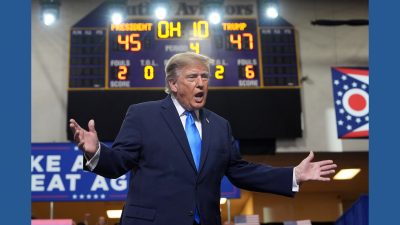
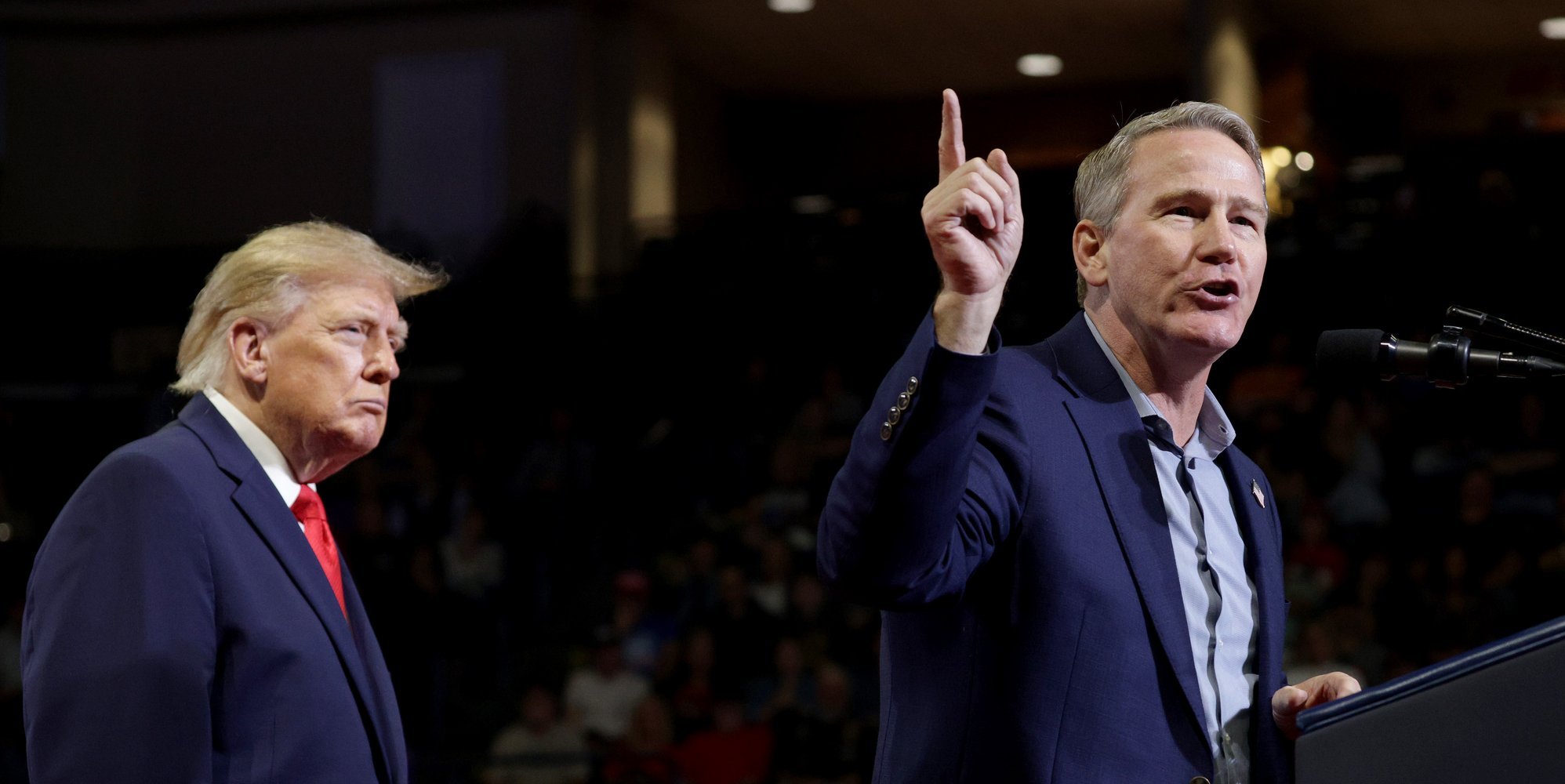
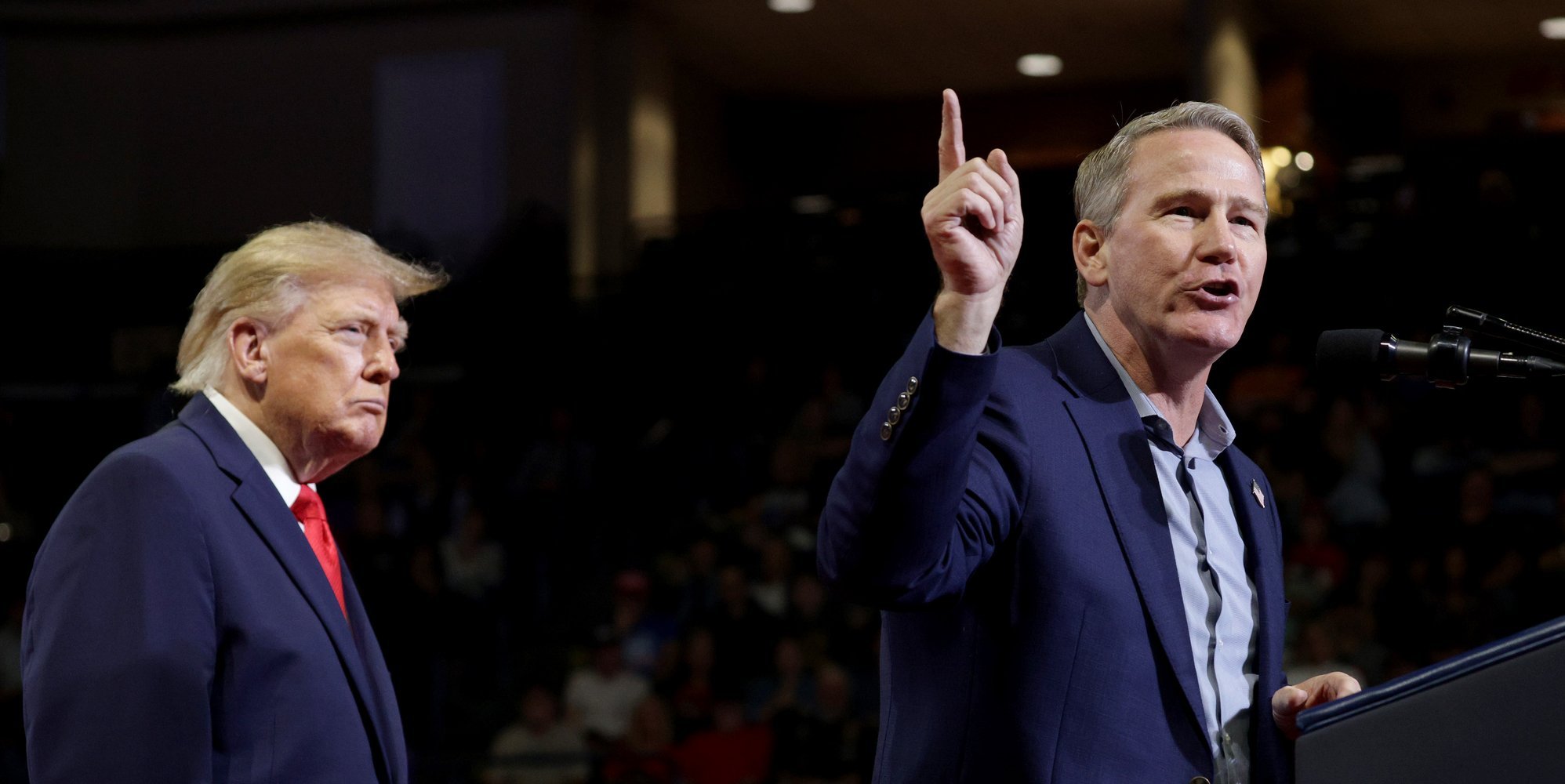
President Donald Trump got a firsthand look at that tension during an Oct. 3 campaign rally in Vandalia, Ohio. The crowd at Butler High School had been loudly receptive to much of Trump’s speech. Then he started talking about data centers.
Trump argued that Ohio stands to make enormous amounts of money from the facilities and warned that rejecting them could push investment elsewhere, including China. According to the Associated Press, the response from the previously enthusiastic crowd became “far more muted.”
That reaction matters because data centers have moved from a niche local-development issue into the center of Ohio’s U.S. Senate race. Behind the politics is an even bigger question for investors: how much economic value do these enormous AI facilities actually create, and who ultimately pays for the infrastructure they require?
The Line That Changed the Mood in the Room
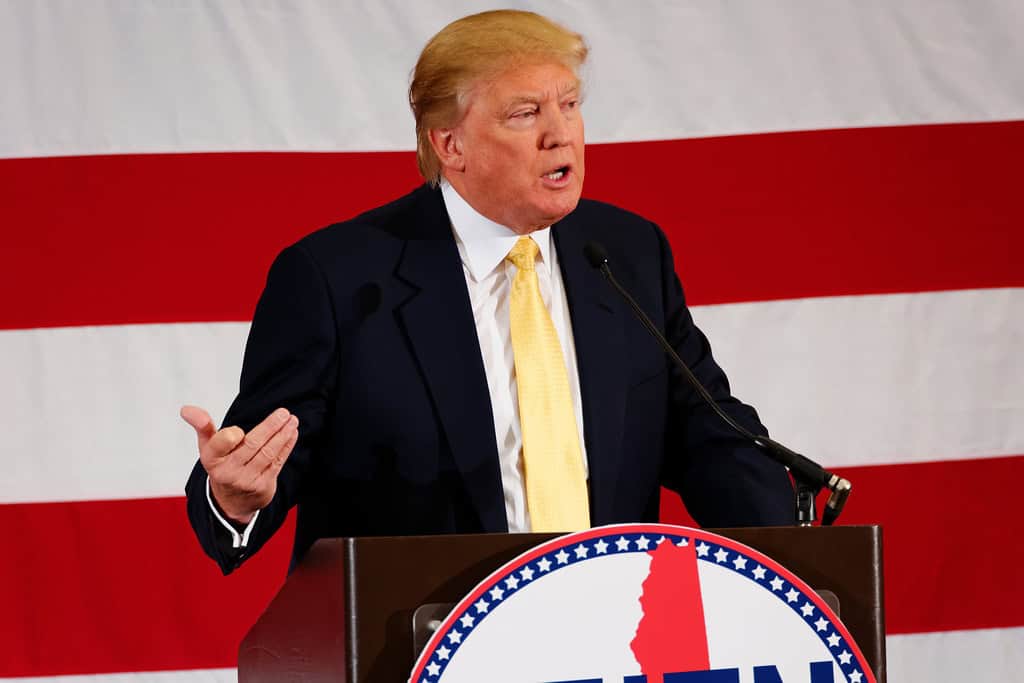
Trump was several minutes into a defense of America’s rapidly expanding data-center industry when he brought the argument home to Ohio. “Look, there’s so much money to be made for Ohio,” Trump told the crowd. “You can’t just turn them off. They’ll go to China.” The Associated Press reported that supporters who had enthusiastically reacted to other parts of his speech were far more muted during those remarks. It was a small moment, but an unusually visible sign that data centers have become a difficult issue even inside a Republican rally.
Trump Was in Ohio to Help Jon Husted
The Oct. 3 rally at Butler High School in Vandalia was part of Trump’s midterm push for Republican Sen. Jon Husted. Husted was appointed to the Senate seat previously held by Vice President JD Vance and is now trying to win it at the ballot box. His Democratic opponent is former Sen. Sherrod Brown, who is attempting a comeback after losing his seat to Republican Bernie Moreno in 2024. With control of the Senate at stake, Ohio has become one of the most closely watched races of the 2026 cycle.
Data Centers Became an Ohio Election Issue
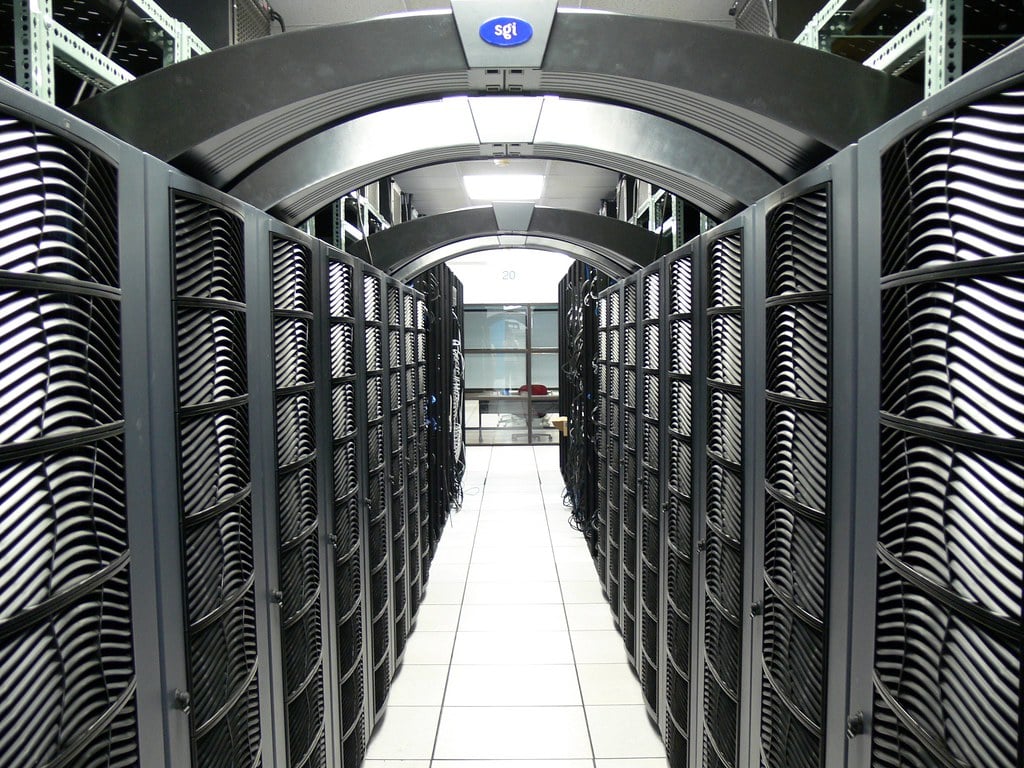
That makes Trump’s choice of topic especially interesting. Data centers are no longer just something discussed by utility regulators, local zoning boards, and technology companies. Opposition has spread through parts of Ohio as residents raise questions about farmland, electricity demand, water, noise, tax incentives, and how much long-term employment the facilities actually create. The National Republican Senatorial Committee has acknowledged that the issue has become a political vulnerability for Husted, while Brown has made it one of his main lines of attack.
Trump’s Pitch Is Pretty Straightforward: Follow the Money
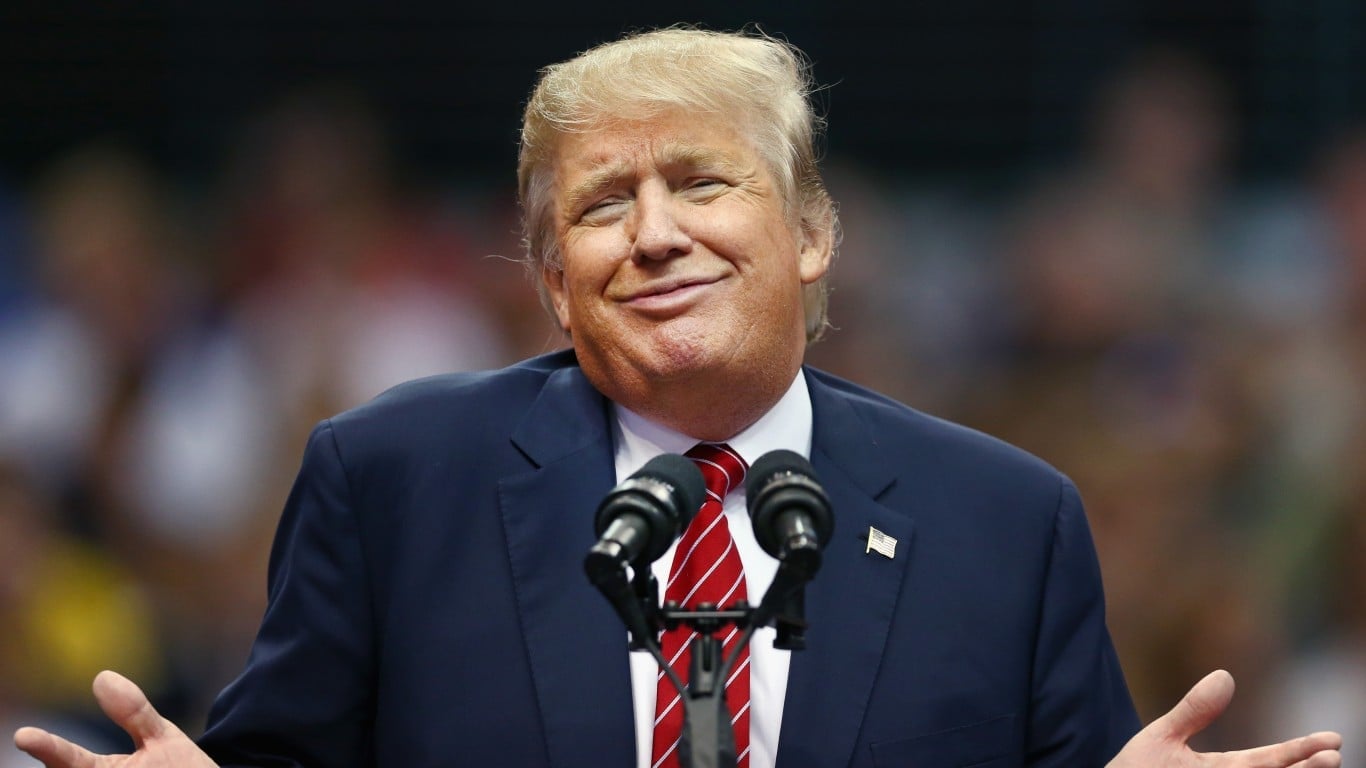
Trump’s argument is that states rejecting data centers are turning away enormous amounts of capital. He has been making that case for months. When New York imposed a one-year moratorium on new hyperscale AI data centers in July, Trump called the facilities “Money Machines” and “LIQUID GOLD” for the states that attract them. His message is not subtle: technology companies are prepared to spend billions, so states should want those dollars landing inside their borders rather than somewhere else.
Then Came Trump’s “Golden Goose” Warning

By late August, Trump had sharpened the argument. He warned opponents of data-center development that if the country “kill[s] the Golden Goose,” communities could blame themselves for the lost economic opportunity. He also tied the debate directly to America’s technological competition with China. The broader point is that AI infrastructure is mobile capital. If one state, county, or country makes a project too difficult or expensive, developers can look for another location willing to provide land, power, permits, and incentives.
Ohio Has Already Attracted Tens of Billions

Trump is not imagining the scale of the money involved. When Ohio Gov. Mike DeWine announced a pause on new data-center tax-exemption requests in May 2026, his office said data centers that had already received state sales and use tax benefits reported $27.2 billion in total capital investment during 2025. That is an enormous amount of spending flowing into land, buildings, electrical equipment, cooling systems, servers, networking gear, construction, and the infrastructure required to connect everything to the grid.
Ohio Still Hit Pause on New Tax Breaks
The sheer size of that investment did not stop Ohio from reconsidering how aggressively it should subsidize future projects. In May, DeWine directed the Ohio Tax Credit Authority to pause consideration of new data-center tax exemptions while state lawmakers study the industry’s effects. Ohio has offered qualifying data centers sales and use tax exemptions on equipment since 2011. The pause is not a ban on new data centers, but it is a sign that even a state benefiting from billions in investment wants another look at the trade-offs.
The Electricity Bill Is at the Center of the Fight
The most immediate concern for many Ohio residents is electricity. A hyperscale data center can require power on the scale of a small city, and serving that load may require new generation, substations, transmission lines, and distribution infrastructure. Ohio’s Office of the Consumers’ Counsel says the boom is placing additional stress on the state’s grid and has argued that data-center operators should pay the costs their projects create instead of shifting them onto ordinary utility customers.
Husted Is Now Running on “Pay Your Own Way”
Husted’s answer has been the Ratepayer Protection Act, federal legislation built around a simple idea: very large electricity customers should cover the incremental grid costs required to serve them. A nearly identical House measure passed 417-3 in September. Husted then sought Senate action, but the measure failed to clear the 60-vote threshold. His political problem is that opponents are not only judging his current proposal. They are also looking at his earlier role in an Ohio administration that aggressively courted data-center investment.
Brown Is Trying to Make Husted Own the Boom

Brown has made that history a central piece of his campaign. He argues that Husted helped attract technology companies and data centers to Ohio while residents now face the possible consequences for power costs, farmland, and local infrastructure. Husted counters that data centers can bring major investment while his proposed ratepayer protections would prevent households from subsidizing their electricity needs. In other words, the Senate race is not really debating whether data centers exist. It is debating who receives the upside and who absorbs the costs.
Construction Creates a Lot of Jobs

The employment debate needs some nuance. Building a large data center can require hundreds or even thousands of construction workers, creating substantial temporary demand for electricians, equipment operators, engineers, concrete crews, and other trades. Those jobs are real, and major projects can also generate local tax revenue and business for nearby suppliers. The economic impact is most obvious while billions of dollars of steel, electrical equipment, cooling hardware, networking gear, and computing infrastructure are being installed.
The Permanent Jobs Math Looks Very Different
Once construction ends, the employment picture changes dramatically. A 2026 Colorado legislative research memo estimated that a typical data center employs roughly 43 workers for every 100 megawatts of capacity. Those permanent positions can include technicians, engineers, managers, security, and maintenance workers, and data-center jobs in Virginia have paid well above average. Still, the number of long-term employees is relatively small compared with the billions of dollars invested in the facilities. That helps explain why some communities see a giant building, massive power demand, and relatively few permanent jobs and start asking harder questions.
The AI Infrastructure Boom Is Economically Huge

Even critics of individual projects are arguing against an investment wave that has become enormous at the national level. Research using federal economic data estimates that spending on AI-related data centers, computing hardware, and networking equipment together reached roughly 1.4% of U.S. GDP in the first quarter of 2026, up from about 0.7% a year earlier. The Federal Reserve has separately noted that much of the recent surge in business investment appears connected to building the infrastructure needed for AI services.
That Is Where Trump’s China Argument Comes In
Trump views the data-center boom as part of a larger competition over artificial intelligence. His warning that projects could “go to China” compresses a complicated global infrastructure question into a campaign line, but the strategic argument underneath it is clear. AI leadership increasingly depends on access to computing power, semiconductors, electricity, transmission capacity, networking equipment, and physical sites capable of supporting massive server campuses. The White House has made rapid domestic AI-infrastructure expansion a priority while simultaneously pushing technology companies to cover more of the energy costs their projects create.
Ohio Voters Are Really Deciding Who Gets the Benefits

That brings the story back to the quiet moment in Vandalia. Trump’s case is that data centers represent investment, tax revenue, construction spending, and an opportunity the United States cannot afford to surrender. Opponents are asking whether communities receive enough of that upside to justify the electricity demand, infrastructure costs, land use, water concerns, and tax incentives. The debate is not likely to disappear after Election Day. With AI infrastructure spending accelerating, versions of the same fight are already showing up in communities across the country.
Contact [email protected] for any questions or corrections.