The AI Data Center Backlash Is Growing. Kevin O’Leary’s $1 Billion Stratos Project Reveals Why
Artificial intelligence is setting off the biggest infrastructure buildout since the early internet boom. Only this time, the stakes are larger, the power demands are higher, and the local pushback is louder. The world’s biggest tech companies are racing to…


Artificial intelligence is setting off the biggest infrastructure buildout since the early internet boom. Only this time, the stakes are larger, the power demands are higher, and the local pushback is louder.
The world’s biggest tech companies are racing to build AI capacity because whoever controls the computing power may control the next decade of software, advertising, cloud services, and automation. But as investors chase chip stocks and AI winners, a new problem is emerging: communities increasingly do not want these giant facilities in their backyards.
Kevin O’Leary’s proposed Stratos Project in Utah shows exactly why that resistance is becoming the industry’s newest bottleneck.
AI’s Infrastructure Arms Race Is Reshaping Entire Industries
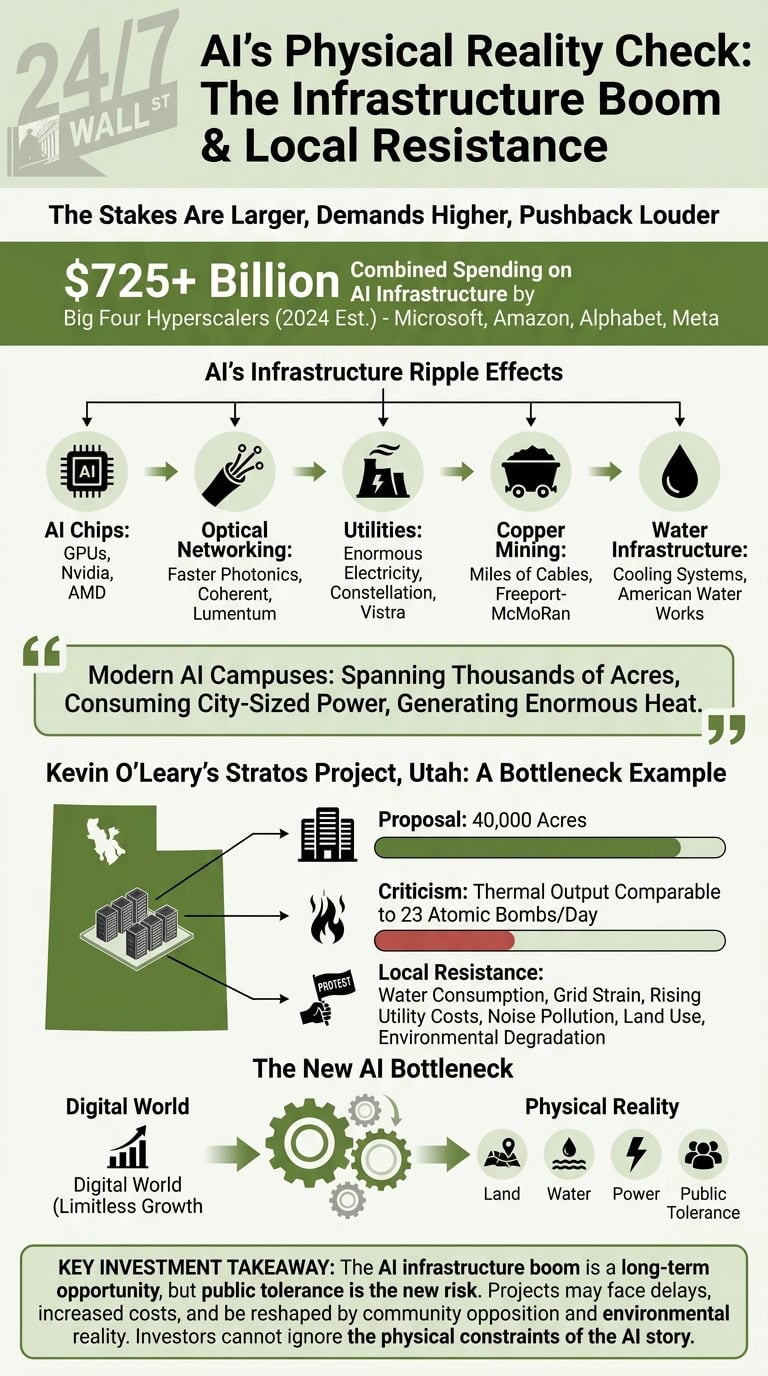
The numbers attached to the AI boom are staggering. According to company guidance and analyst estimates from Goldman Sachs and Morgan Stanley, the Big Four hyperscalers — Microsoft (NASDAQ:MSFT | MSFT Price Prediction), Amazon (NASDAQ:AMZN), Alphabet (NASDAQ:GOOG)(NASDAQ:GOOGL), and Meta Platforms (NASDAQ:META) — are expected to spend upwards of $725 billion combined this year on AI infrastructure, data centers, chips, networking equipment, and energy systems.
That spending spree has created ripple effects throughout the economy.
Here’s what the numbers tell us:
| Industry | Why It Benefits | Key Companies |
| AI chips | GPUs power AI training and inference | Nvidia (NASDAQ:NVDA), Advanced Micro Devices (NASDAQ:AMD) |
| Optical networking | AI data transfer requires faster photonics | Coherent (NASDAQ:COHR), Lumentum Holdings (NASDAQ:LITE) |
| Utilities | Data centers consume enormous electricity | Constellation Energy (NYSE:CEG), Vistra (NYSE:VST) |
| Copper mining | Miles of cables are needed for power and networking | Freeport-McMoRan (NYSE:FCX) |
| Water infrastructure | Cooling systems require huge water supplies | American Water Works (NYSE:AWK) |
Surprisingly, some Wall Street analysts now describe data centers as the new railroads — foundational infrastructure supporting entire economic ecosystems. Simply put, AI cannot exist without massive physical construction projects.
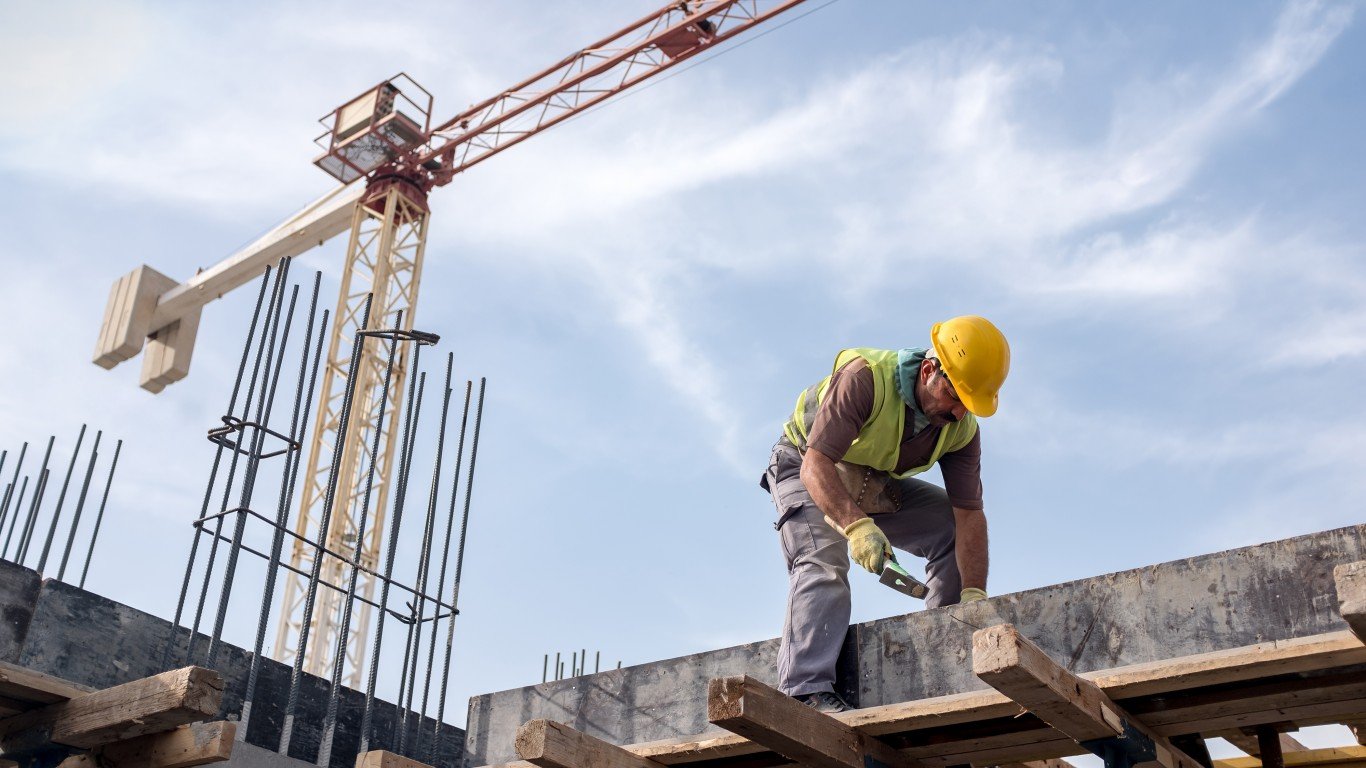
And these are not small server rooms anymore. Modern AI campuses can span thousands of acres, require dedicated substations, and consume as much electricity as mid-sized cities.
Kevin O’Leary’s Stratos Project Shows Why Opposition Is Growing
That brings us to the proposed Stratos Project in Box Elder County, Utah. Backed by Shark Tank investor Kevin O’Leary, the AI data center campus would cover roughly 40,000 acres. The development could eventually include dozens of data centers alongside power infrastructure, water systems, and industrial facilities.
Supporters say the project would create construction jobs, long-term technology employment, and tax revenue. Utah Gov. Spencer Cox has supported expanding the state’s technology footprint.
But critics see something else entirely. Utah State University physics professor Robert Davies warns the facility could generate the equivalent thermal output of 23 atomic bombs per day. That comparison refers to waste heat released into the surrounding environment from the immense energy consumption required to operate AI systems.
Granted, the comparison is designed to provoke attention, but it underscores how massive these facilities have become.
Residents and environmental groups are raising concerns about:
- Water consumption in an already drought-prone region
- Strain on electric grids
- Rising utility costs for residents
- Noise pollution from cooling systems
- Land use disruption across tens of thousands of acres
- Environmental degradation tied to power generation
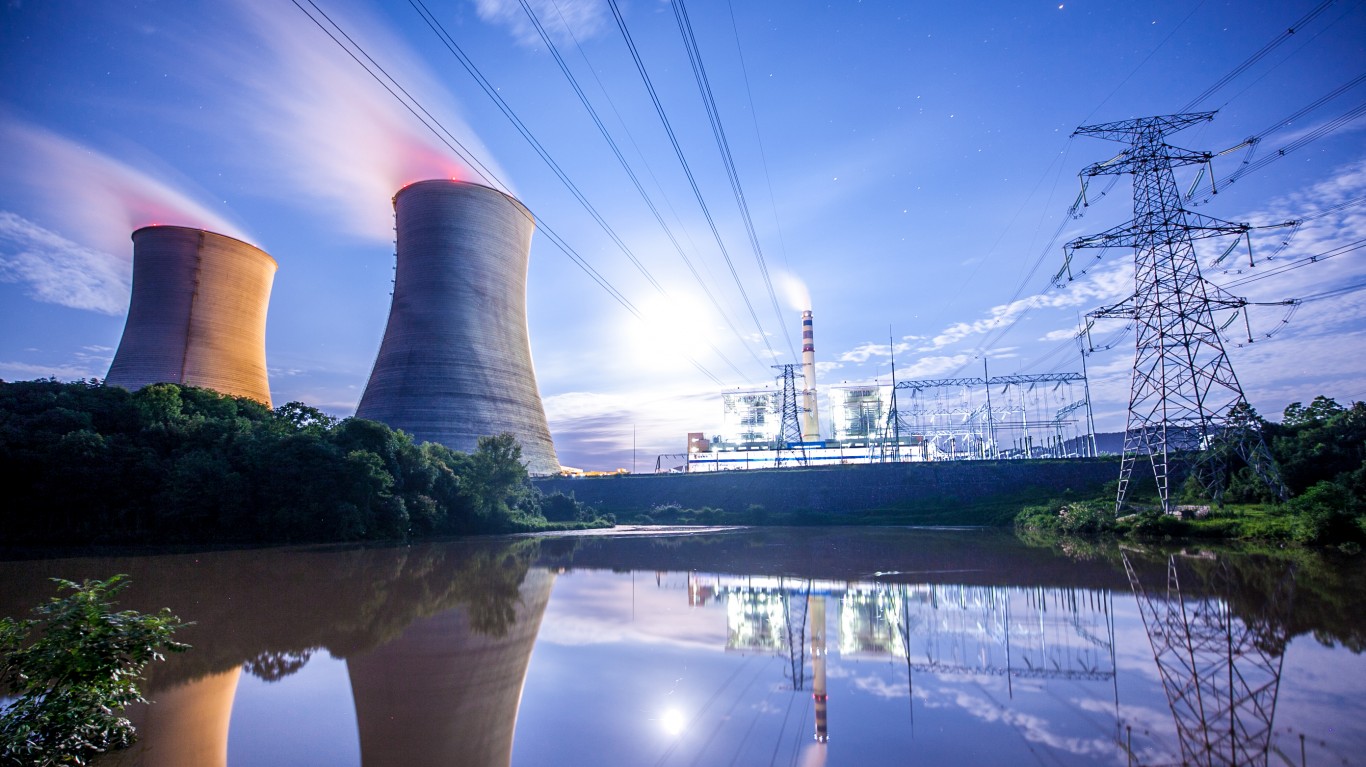
A single hyperscale AI data center can require more than 1 gigawatt of electricity — roughly equivalent to the power needs of hundreds of thousands of homes. Regardless of how you look at it, communities notice when utility infrastructure starts prioritizing server farms over households.
The Real AI Bottleneck May Not Be Technology
Investors have spent the past two years worrying about AI compute shortages, chip supply constraints, memory bottlenecks, and power availability.
Those are real concerns. High-bandwidth memory, or HBM, remains supply constrained. Utilities are warning about surging electricity demand. Grid operators from Texas to Virginia are scrambling to add capacity.
But local resistance may become the industry’s biggest obstacle because delays cost money. A one-year delay on a multibillion-dollar AI campus can ripple through semiconductor orders, utility investments, and cloud deployment timelines.
Organized opposition groups are emerging across multiple states. In Virginia — the world’s largest data center market — residents have protested new construction projects over power use and land consumption. Similar fights are unfolding in Arizona, Georgia, and Texas.
In short, the AI boom is colliding with physical reality.
The technology sector spent years operating in the digital world where growth felt limitless. Data centers remind everyone that AI still depends on land, water, electricity, mining, and industrial construction.
Key Takeaway
The AI infrastructure boom still looks like a long-term investment opportunity. The hyperscalers are unlikely to slow spending while the race for AI dominance remains this intense. That continues benefiting chipmakers, utilities, networking companies, and industrial suppliers.
But sharp investors should recognize that a new risk has emerged. The real bottleneck may not be chips or electricity. It may be public tolerance. Kevin O’Leary’s Stratos Project shows how quickly enthusiasm for AI jobs can turn into opposition once communities confront the scale of these developments. That tension could slow projects, raise costs, and reshape where AI infrastructure gets built over the next decade.
Investors who ignore that political and environmental reality may be missing one of the most important parts of the AI story.
Contact [email protected] for any questions or corrections.
After two decades of patrolling the dark corners of suburbia as a police officer, Rich Duprey hung up his badge and gun to begin writing full time about stocks and investing. For the past 20 years, he’s been cruising the markets looking for companies to lock up as long-term holdings in a portfolio while writing extensively on the broad sectors of consumer goods, technology, and industrials. Because his experience isn’t from the typical financial analyst track, Rich is able to break down complex topics into understandable and useful action points for the average investor. His writings have appeared on The Motley Fool, InvestorPlace, Yahoo! Finance, Money Morning, and, of course, 24/7 Wall St. He has been featured in both U.S. and international publications, including MarketWatch, Financial Times, Forbes, Fast Company, and USA Today.