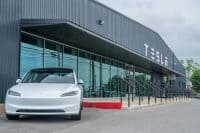
Tesla Wants Cybercabs in Customers’ Hands by the End of 2026
Tesla named a deadline for putting Cybercabs in customers' hands, but the fine print on who those customers actually are changes the story entirely.


On October 21, 2026, a company executive gave a date for something shareholders have been waiting years to hear. On Tesla’s third-quarter earnings call (NASDAQ:TSLA | TSLA Price Prediction), Lars Moravy said, “We are trying to get Cybercabs to customers by the end of this year, 2026.”
He then added a caution: “We are producing them in our line in Texas, but all of those are currently going to our own internal Robotaxi fleet.” Tesla gave no delivery date, volume, price, or ordering process, so this is a stated goal.
Shares rose 3.41% in the regular session to close at $386.47. As of 7:59 PM ET, they were trading after hours at $373.65, down 3.32%. For a company worth $1.53 trillion, the Cybercab target barely moved the stock.

Fleet Buyers Come Before Private Owners
Tesla CEO Elon Musk confirmed Cybercab “is primarily going to be something that is offered as transport as a service” and that “the vast majority of the Cybercab stuff will be essentially Tesla-owned.” That means the customers Moravy mentioned are likely fleet and business buyers.
An interest form Tesla posted on September 3, 2026 asked businesses about “Cybercab fleet purchasing,” mobility hubs and infrastructure. The form does not confirm any sales to outside operators. Musk originally said the Cybercab would cost less than $30,000, and Tesla has not announced a current price.
A Factory Paced by Regulators
Tesla lists installed Cybercab capacity of more than 125,000 units as in production. Moravy explained why output trails that figure: “Right now, we’re building at the rate that the Robotaxi service needs the vehicles.”
CFO Vaibhav Taneja said Tesla wants “all the regulatory approvals where we can start deploying the Cybercabs as fast as we can produce them.” For now, robotaxi demand and regulators decide how many Cybercabs get built, and the factory has room to spare.
Austin First, Dallas in November
Cybercab rides began in Austin on September 3. The Austin fleet has grown by a factor of 10 “since launch about a month ago,” according to Elon Musk, but the launch came about seven weeks before the call, so his timeline is approximate.
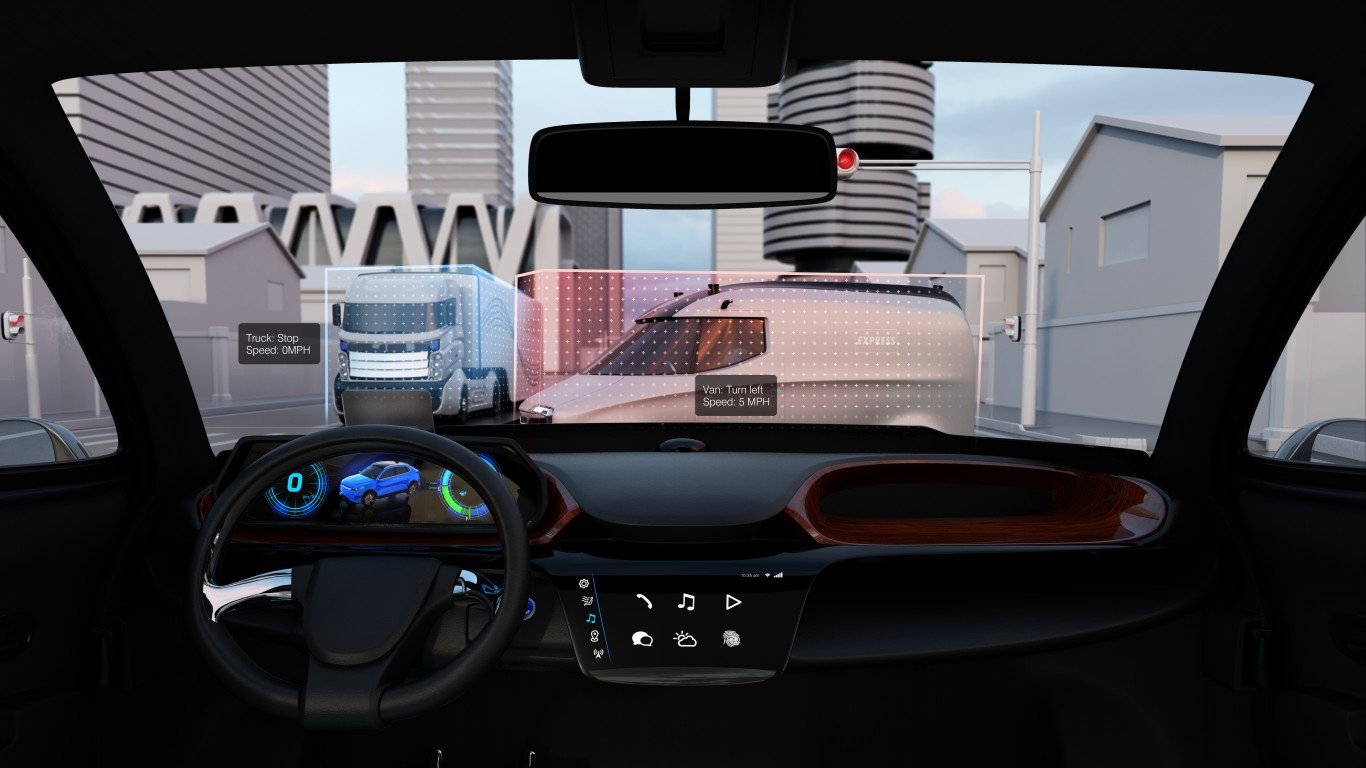
AI chief Ashok Elluswamy said, “In fact, next month we’ll be launching in Dallas.” Driverless Model Y robotaxis there have already logged 608,130 miles with no safety monitor on board. Ashok Elluswamy said Tesla operates in six cities and expects to enable 24/7 operation. He called the current limit “technology-driven” but said it could “become regulatory, perhaps in Q1, Q2 timeframes.”
Software Subscriptions Carry the Near-Term Story
Tesla said total unsupervised miles (miles driven without a human supervisor) grew eightfold in the quarter to nearly two million. Elluswamy expects “somewhere around Q2 next year” to add the first customer-owned cars to the robotaxi fleet.
Active Full Self-Driving (FSD) subscriptions reached 1.74 million. That is up 67% from 1.04 million a year earlier and about 260,000 more than the 1.48 million at the end of Q2. Vaibhav Taneja said over 75% of North American deliveries included a paid FSD sign-up. However, each new car comes with a free month of FSD, and the subscription count includes initial purchases.
What Could Change the Outlook for Tesla Stock
Our view is conservative. Growing FSD sign-ups and a Cybercab line that can build more than it does are real strengths. But the Cybercab target depends on one city, fleet buyers Tesla has not named, and regulatory approvals its own executives raised concerns about.
Most Cybercabs will stay Tesla-owned, so outside sales would add little revenue even if they start on schedule. Meanwhile, the stock trades at 402 times earnings. The after-hours drop suggests investors want to see deliveries before they pay more for the robotaxi plan.

There is a clear way to test this view. Look for Cybercab to open service in Dallas in November 2026 and for Tesla to report a first delivery to an outside fleet customer in its fourth-quarter results. If both happen, the conservative view weakens. If neither happens and the stock trades below $373.65, the conservative view holds.
Contact [email protected] for any questions or corrections.
Omor Ibne Ehsan is a writer at 24/7 Wall St. He is a self-taught investor with a focus on growth, cyclical, and dividend equities that have strong fundamentals, value, and long-term potential. He also has an interest in high-risk, high-reward investments such as penny stocks.