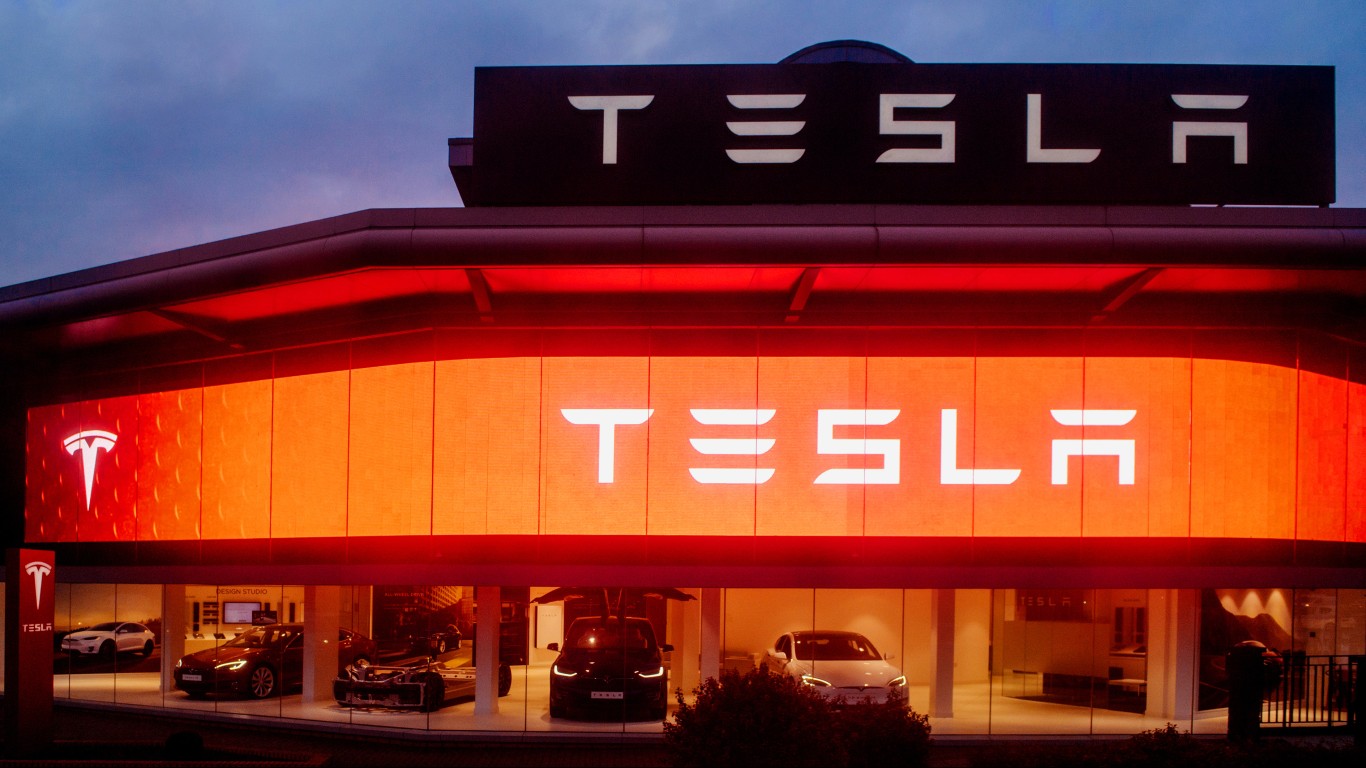
Tesla Jumped 4% the Morning Musk Killed the Cybertruck, and Investors Know What Replaces It
Tesla shares surged the day Musk signaled the end of his polarizing truck, but the real story sits in Texas, where a driverless bet faces regulators, batteries, and a stock priced for perfection. Is the rally built on anything solid?

This post may contain links from our sponsors and affiliates, and Flywheel Publishing may receive compensation for actions taken through them.
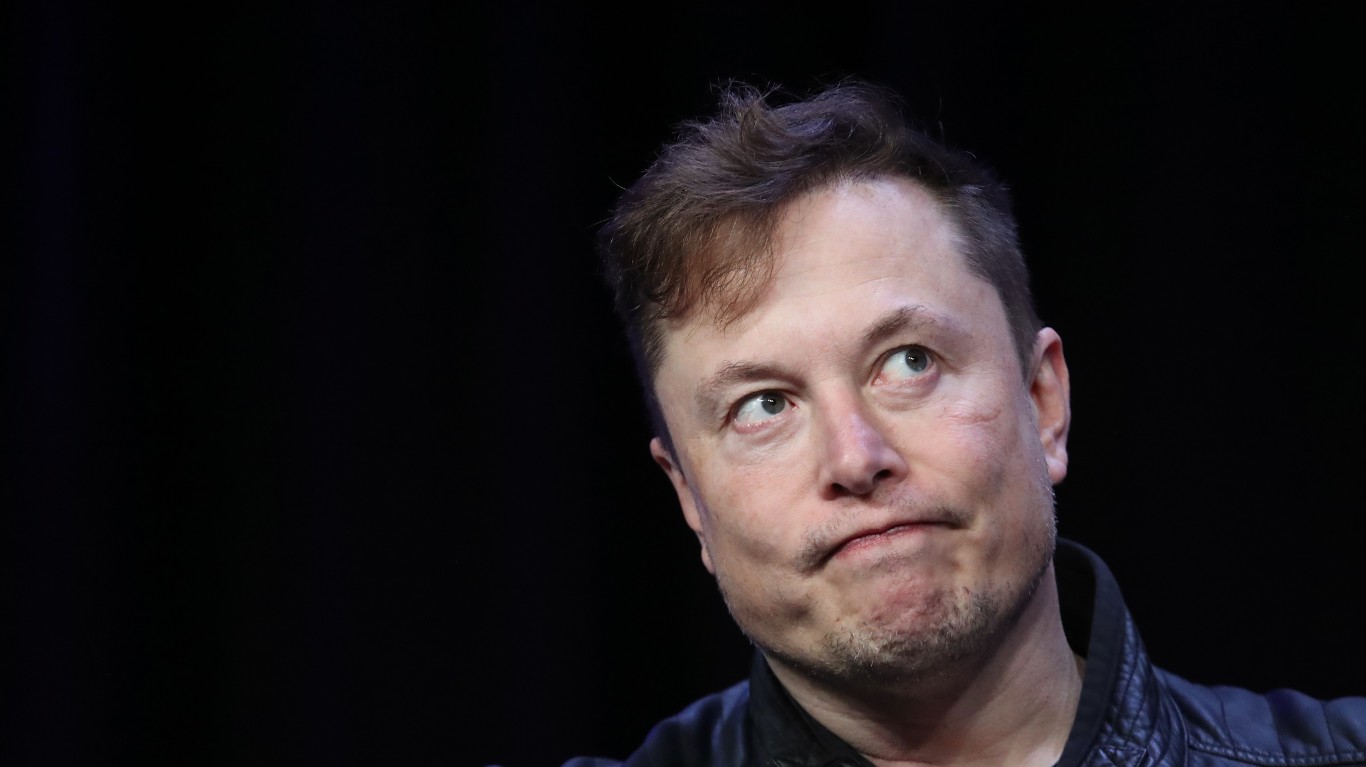
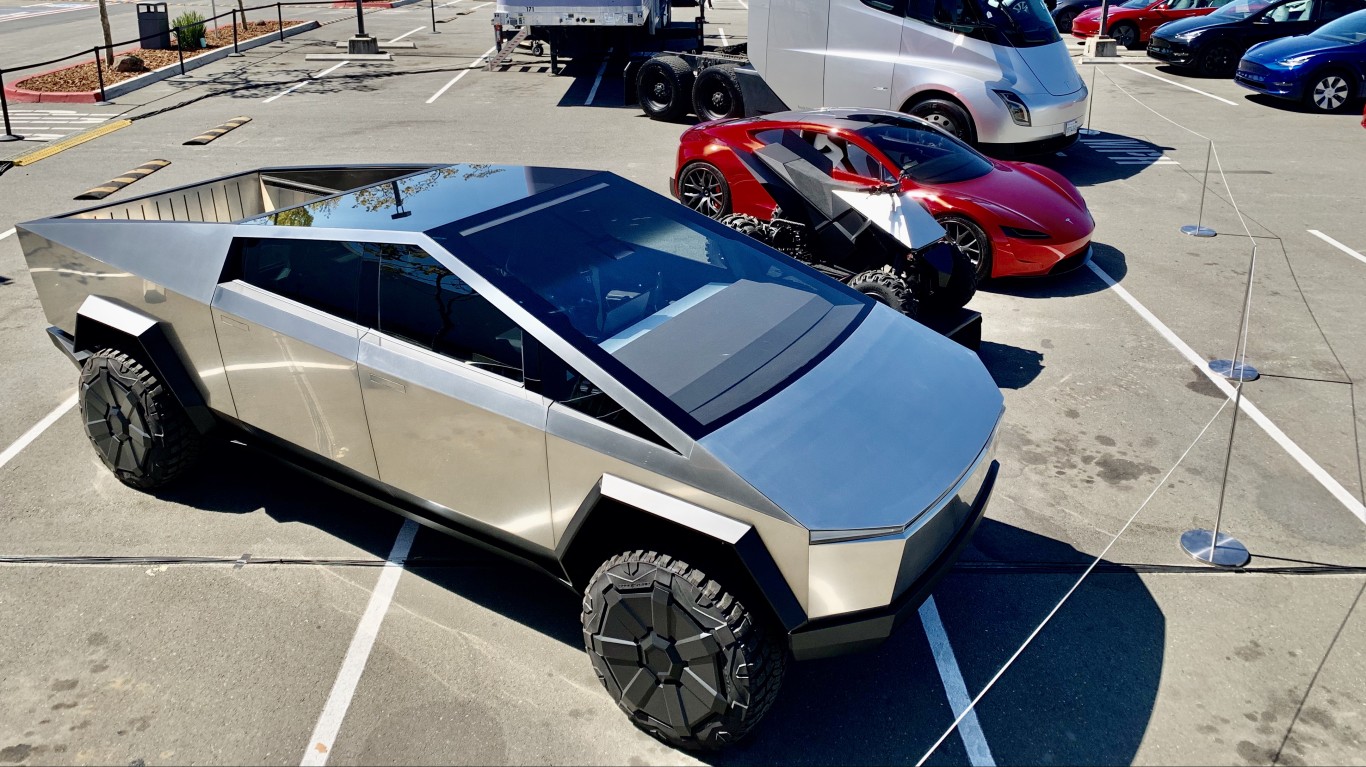
Tesla (NASDAQ:TSLA | TSLA Price Prediction) rose 4.75% to $360.01 as of 2:11 p.m. ET on November 6, 2026. Over the same session, an S&P 500 tracking fund gained 0.8%. The catalyst: Tesla CEO Elon Musk confirmed on X that Cybertruck production in Texas will end in mid 2027 to make way for the Cybercab driverless taxi.

Musk spent the morning highlighting sales wins. At 11:17 a.m. ET he retweeted a post saying Tesla “remains South Korea’s #1 best-selling imported car brand for the NINTH consecutive month”. That post listed October registrations of 9,165 for Tesla, 6,744 for Mercedes-Benz and 5,633 for BMW. Earlier he posted “Tesla Model Y is the best-selling car of any kind on Earth”.
What Musk Actually Committed To on November 6
The commitment is a CEO statement on X with a loose timeline, and nothing more. The only direct Musk line we could verify is a reply to commentator Sawyer Merritt: “True, but the Cybertruck fleet will be around for a long time”. Tesla has issued no press release on the change. Its newswire feed shows no releases, and its latest 8-K from October 21, 2026 still lists Cybertruck in its brand lineup. Tesla has not disclosed an exact end date, a restructuring charge, headcount changes, or a Cybercab output target.
How Much Revenue Rides on the Cybertruck
Tesla does not break out Cybertruck sales, so nobody outside the company can say how much revenue goes away. For scale, the third quarter brought 486,532 deliveries and $20.09B in automotive sales out of $28.05B in total revenue. The truck fell far short of Tesla’s 250,000 annual sales target, so retiring it reduces a product line that was already small.
The gain is factory floor space. On the October 21 call, engineering chief Lars Moravy said Tesla is building Cybercabs “at the rate that the Robotaxi service needs the vehicles”. Musk said robotaxi revenue “starts to become noticeable probably in Q2 and then probably a big deal by Q3 or Q4 of next year.”
Why the Rally Deserves Skepticism
Regulators set the pace for the Cybercab right now. CFO Vaibhav Taneja named the bottleneck: “regulatory approvals so we can start deploying the Cybercabs as fast as we can produce them.” Tesla also cited battery availability as a supply limit. The Korea and Model Y claims came from fan accounts. Musk shared them, and they have not been checked against official registration data.
The bounce also comes after heavy losses. Tesla is down 10.73% over one week and 19.95% year to date, following a historic Nasdaq rout after the midterms. The stock trades at roughly 357 times earnings with a 4.6% operating margin.
Does Ending the Cybertruck Change Anything for Tesla Shareholders?
Very little changes in the numbers. Investors now have clearer evidence that Tesla is shifting its Texas plant toward robotaxis. The session’s gain likely reflects relief that Musk is cutting a weak product, while the case for owning Tesla still depends on Cybercab approvals. The first test is whether the stock holds above $343.69, the price this session’s gain is measured from. The second is whether Tesla’s next quarterly report confirms an end date and gives a Cybercab production figure. If the stock closes below $343.69 before that report, the market has decided the shift was already priced in.

Data Sources
- Musk retweets Tesla Korea sales record: timestamp and wording of the South Korea retweet.
Contact [email protected] for any questions or corrections.
Jake has been been working in financial media for almost 15 years. He focuses on all things personal finance for 24/7 Wall St. with high hopes to educate and entertain. Most recently, Jake spent 12 years working various roles at The Motley Fool. He started copy editing fool.com content, worked on premium and marketing campaigns, and helped launch The Ascent, a personal finance brand.
His work has been featured on platforms like MSN, Yahoo Finance, USA Today, and more. He's written about credit cards, social security, ETFs, savings accounts, and just about anything else you can imagine when thinking about money. Jake love to cook, play golf, and tell people he's never had a cavity. (It's true!)