Wall Street’s Smart Money Just Suffered a Shock Not Seen Since the COVID Crash
For the first time since the COVID-19 pandemic, three major hedge fund strategies collapsed simultaneously in a single trading session, exposing a hidden flaw in how Wall Street's most sophisticated investors were managing risk.


Wall Street has spent much of 2026 betting that artificial intelligence will keep driving stocks higher. Hedge funds have joined the stampede, pouring money into technology companies expected to profit from the AI boom. Yet the trade that helped lift portfolios is turning against some of Wall Street’s biggest investors.
With technology valuations stretched, borrowing costs elevated, and companies spending billions on AI infrastructure, the margin for disappointment has narrowed. The latest selloff exposed something investors might have overlooked: Even sophisticated hedge funds running different investment strategies can wind up making essentially the same bet — and losing money together.
Hedge Funds Just Experienced a Historic Selloff
According to an Oct. 23 Reuters report citing Goldman Sachs’ prime brokerage data, all three major hedge fund strategies the bank tracks lost more than 1% on Oct. 22.
It was the first time since the COVID-19 pandemic that fundamental equity long-short, systematic, and multi-strategy hedge funds suffered simultaneous losses exceeding that threshold. The damage also extended beyond one miserable trading session.
Hedge Fund Performance Through October 22, 2026
| Hedge Fund Strategy | October Return |
| Global fundamental long-short | -3.8% |
| Technology-focused | Approximately -10% |
| Asia-focused | Approximately -9% |
Source: Goldman Sachs prime brokerage estimates reported by Reuters, October 23, 2026.
Surprisingly, global fundamental long-short funds remained up 8.8% year to date despite October’s losses. This isn’t another COVID crash, but it reveals how quickly profitable strategies can unravel.
The warning signs were already appearing in Wall Street’s crowded technology trade, where record margin borrowing increased the potential damage from falling stock prices.
Why Wall Street’s Smart Money Got Caught Flat-Footed
Hedge funds are supposed to manage risks that ordinary investors might overlook. Some buy promising stocks while betting against weaker companies. Others follow market trends or spread investments across multiple strategies.
The problem arises when supposedly diversified portfolios share the same underlying exposures.
On Oct. 22, Meta Platforms (NASDAQ:META | META Price Prediction) fell 7% after announcing plans to issue a new class of shares to raise capital. Nvidia (NASDAQ:NVDA) dropped 4%, while the Nasdaq Composite declined 2.6%, its worst session since June 5.
Those moves were enough to expose crowded AI investments. As positions lost value, some hedge funds reduced leverage — borrowed money used to amplify returns — and sold holdings to limit further losses.
That selling can pressure prices further, potentially forcing other leveraged investors to unload positions. Ironically, even funds betting against stocks encountered trouble when heavily shorted companies moved against them.
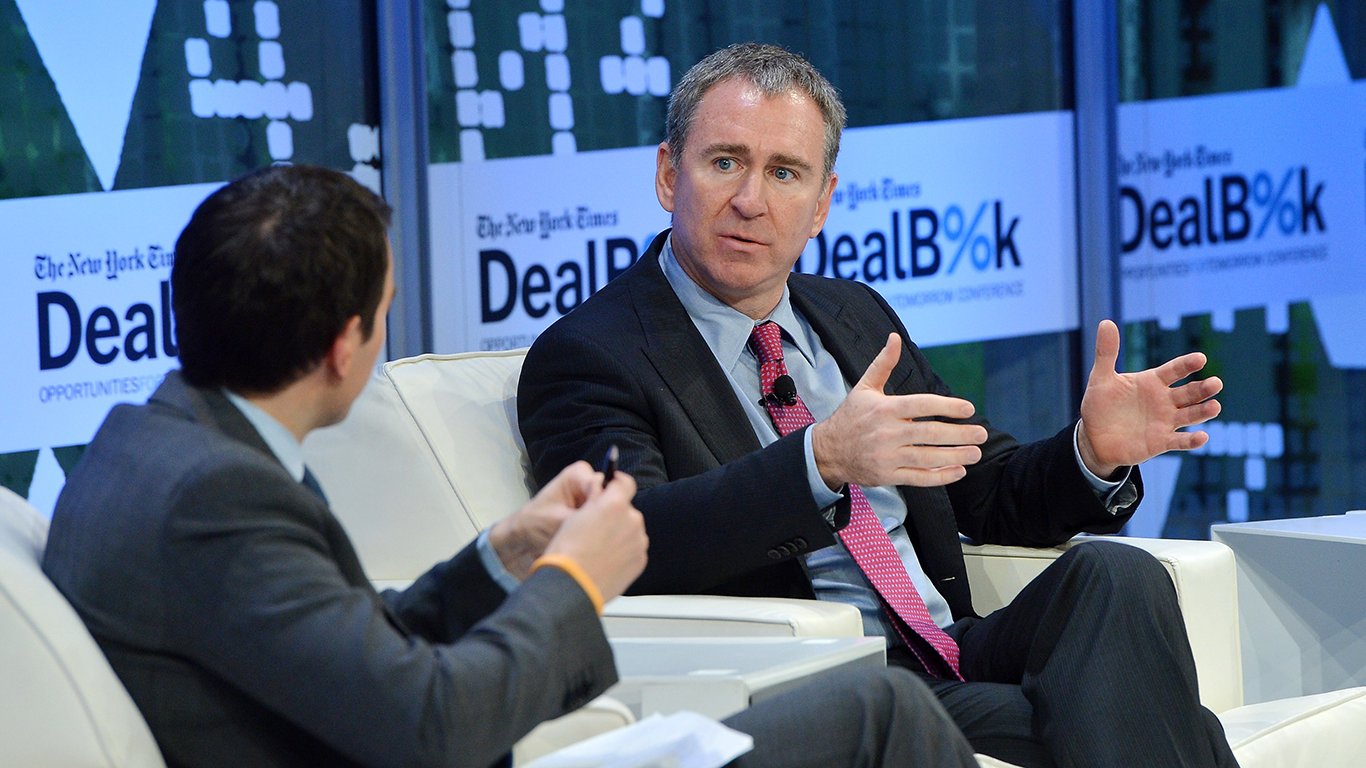
The pressure also follows billionaire Ken Griffin’s warning that AI investment may be creating bubbles, despite Citadel maintaining substantial exposure to leading technology companies.
The Bigger Risk Isn’t AI — It’s Concentration
The selloff doesn’t mean artificial intelligence has stopped creating economic value. Nvidia continues supplying chips powering the expansion, while Meta and other technology giants are investing in computing infrastructure.
However, believing in AI’s future doesn’t guarantee every AI investment will deliver attractive returns. Investors already have evidence of how vulnerable portfolios become when too much capital follows one investment theme.
Ray Dalio’s comparison of today’s AI boom with the bubbles of 1929 and 2000 highlights the danger of elevated valuations when investors’ expectations outrun business fundamentals.
Hedge funds are discovering that lesson firsthand.
Key Takeaway
In short, October’s hedge fund losses offer a warning, not a prediction of another market crash. Investors should examine how much of their portfolio depends on the same handful of technology companies, including exposure through index funds and individual holdings.
Maintaining positions across industries, limiting leverage, and favoring companies generating dependable cash flow can reduce the damage when crowded trades unwind. The smartest investment strategy isn’t necessarily following smart money. Sometimes it’s avoiding the risks that smart money overlooked.
Contact [email protected] for any questions or corrections.
After two decades of patrolling the dark corners of suburbia as a police officer, Rich Duprey hung up his badge and gun to begin writing full time about stocks and investing. For the past 20 years, he’s been cruising the markets looking for companies to lock up as long-term holdings in a portfolio while writing extensively on the broad sectors of consumer goods, technology, and industrials. Because his experience isn’t from the typical financial analyst track, Rich is able to break down complex topics into understandable and useful action points for the average investor. His writings have appeared on The Motley Fool, InvestorPlace, Yahoo! Finance, Money Morning, and, of course, 24/7 Wall St. He has been featured in both U.S. and international publications, including MarketWatch, Financial Times, Forbes, Fast Company, and USA Today.