




What the Oracle Sees That You Don’t
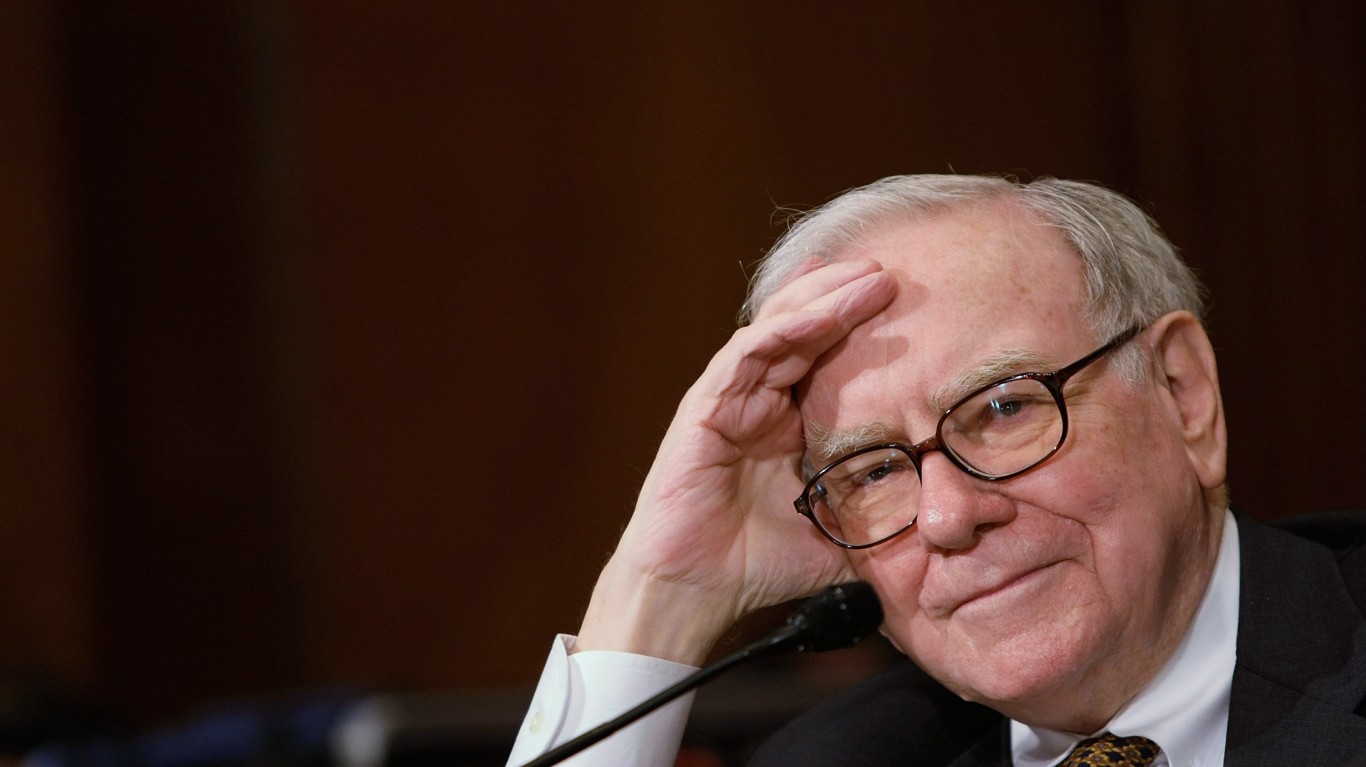
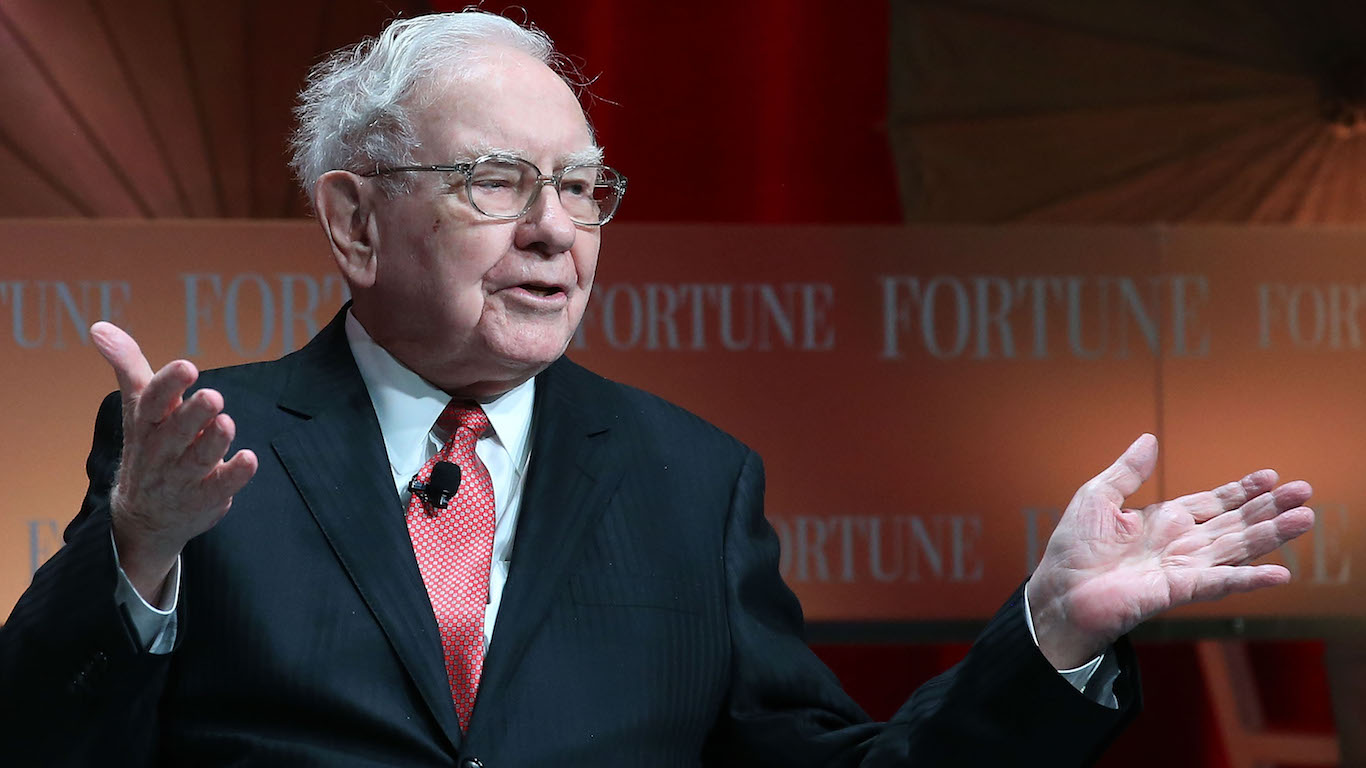
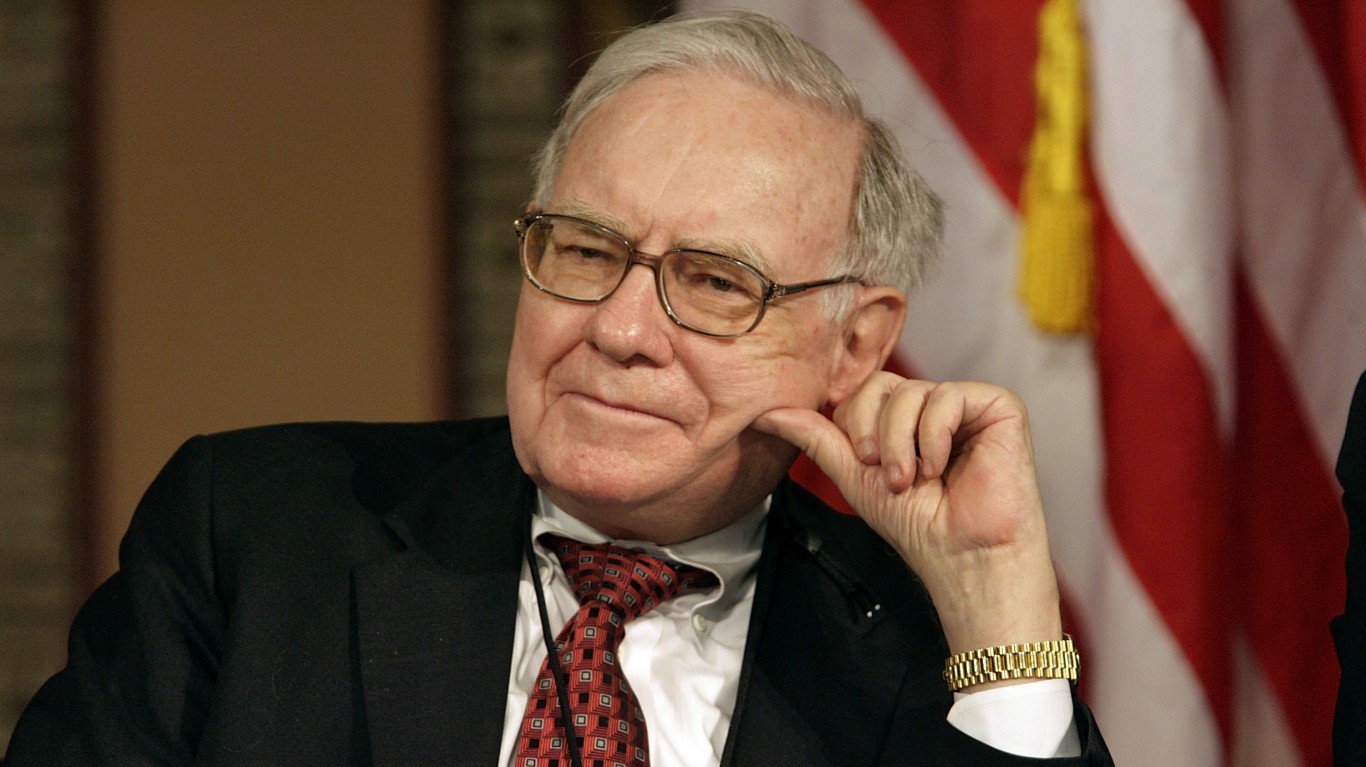
Warren Buffett, the Oracle of Omaha, is renowned for his disciplined investment philosophy, often moving against the market’s tide. Recently, his Berkshire Hathaway (NYSE:BRK-A)(NYSE:BRK-B) has amassed an eye-popping cash pile of $344.1 billion, while significantly reducing stakes in major holdings like Apple (NASDAQ:AAPL | AAPL Price Prediction). This shift comes as the broader stock market, particularly indices like the S&P 500, hovers near all-time highs.
Buffett’s decision to hoard cash and trim equity exposure has sparked speculation over whether he is signaling an impending market crash.
Historically, Buffett’s moves — such as sitting on cash during overheated markets — have preceded downturns, like the 2008 financial crisis. Yet, Wall Street seems unfazed, with investors pouring money into stocks, ignoring Buffett’s cautious stance.
Let’s dive into why Buffett’s cash strategy may be a warning, the risks of ignoring it, and what his approach reveals about market valuations and investor sentiment in today’s economy.
Buffett’s Cash Hoard: A Warning Sign?
Buffett’s monumental cash reserve is a figure that dwarfs most corporate treasuries. This accumulation stems from selling off significant portions of holdings, including a notable reduction in Apple shares. Although it is still his largest position, the tech giant once formed the backbone of Berkshire’s portfolio.
Historically, Buffett stockpiles cash when he perceives a lack of attractive investment opportunities, often a precursor to market corrections. In 2007, for instance, Berkshire’s cash reserves grew before the global financial crisis hit. Today’s market, with high valuations and stretched price-to-earnings ratios, may be prompting a similar caution.
Buffett’s philosophy of “being greedy when others are fearful and fearful when others are greedy” suggests he sees overconfidence in current markets. His actions imply that valuations may not justify the risks, yet Wall Street’s bullish momentum continues unabated.
Why Wall Street Ignores the Signal
Despite Buffett’s track record, Wall Street’s optimism persists. Investors are riding a wave of strong corporate earnings, low unemployment, and expectations of continued economic growth. The S&P 500’s forward P/E ratio, while elevated at around 22, is justified by some as sustainable given technological advancements and productivity gains.
Moreover, the fear of missing out (FOMO) drives retail and institutional investors to stay fully invested, dismissing Buffett’s caution as overly conservative. Hedge funds and asset managers, pressured to deliver short-term returns, are less inclined to sit on cash, unlike Buffett, who can afford to wait for opportunities.
Additionally, the Federal Reserve’s signals of potential rate cuts in 2025 fuel optimism, as lower rates typically boost equity valuations. This divergence highlights a key tension: Wall Street’s short-term focus versus Buffett’s long-term, value-driven approach.
Risks of Overlooking Buffett’s Strategy
Ignoring Buffett’s signal carries risks. High market valuations, coupled with geopolitical uncertainties and potential inflationary pressures, could trigger a correction. Buffett’s cash hoard positions Berkshire to capitalize on distressed assets if a downturn occurs, a strategy that paid off during past crises.
For instance, his investments in Goldman Sachs (NYSE:GS) and General Electric during the 2008 crisis yielded significant returns. Conversely, investors fully exposed to equities risk significant losses if sentiment shifts. The dot-com bubble and the 2008 crash showed how quickly markets can turn when euphoria fades.
Buffett’s discipline — avoiding overpriced assets and waiting for bargains — offers a lesson in patience that Wall Street’s current exuberance may overlook at its peril.
Key Takeaway
Buffett’s cash strategy isn’t a call to panic but a reminder to assess risk. Investors might consider diversifying portfolios, holding some cash or bonds, and focusing on companies with strong fundamentals.
While timing the market is notoriously difficult, Buffett’s approach suggests caution in frothy markets. His moves don’t guarantee a crash, but they underscore the importance of discipline in an environment where greed often overshadows prudence.











 Top Gaining Stocks
 Top Losing Stocks