Theaters Scheduled More Than 10,000 Opening-Day Screenings For China’s First AI-Generated Feature Film. By Day Four, Screenings Averaged Fewer Than One Person Per Show
China's first AI-generated feature film opened to more than 10,000 scheduled screenings nationwide, yet the theaters were nearly silent. What happened in those empty rooms reveals something unsettling about what audiences actually think AI-made content is worth.

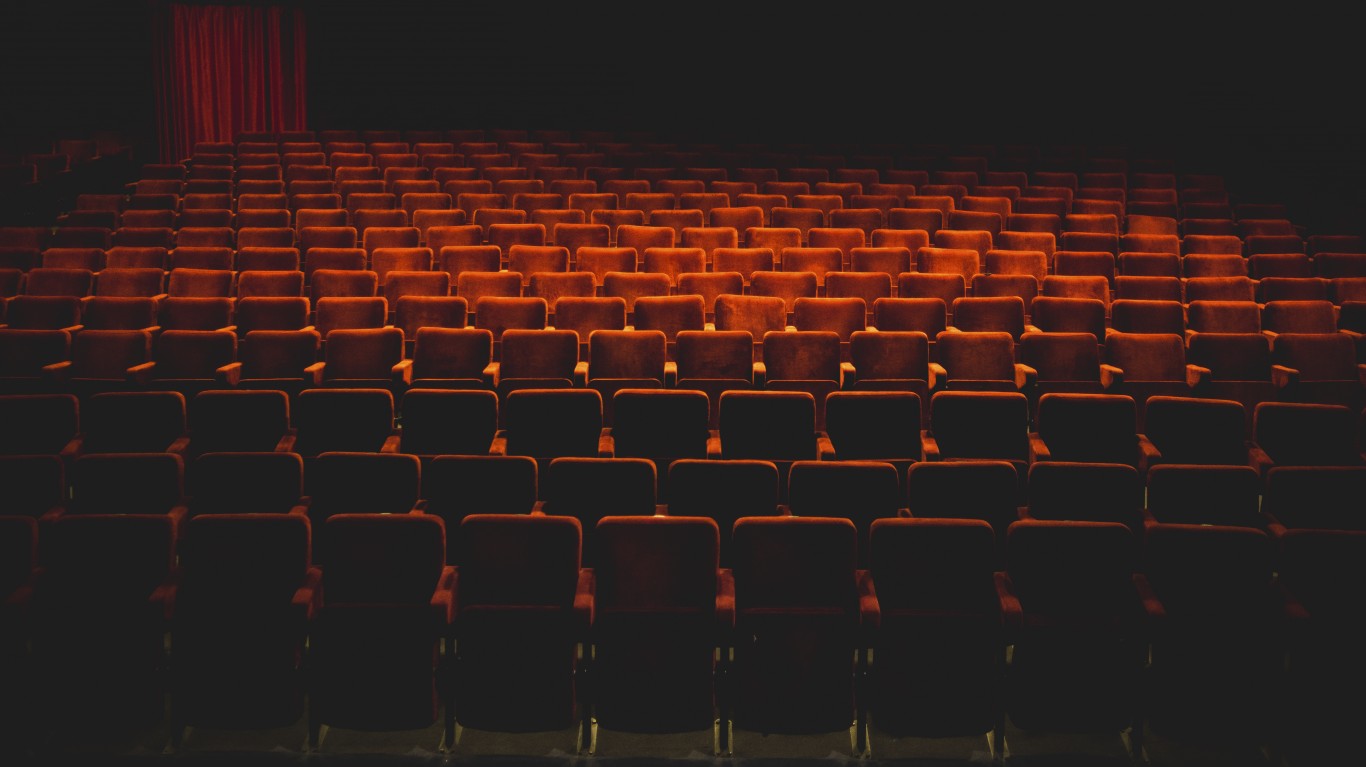
Theaters across China scheduled more than 10,000 showings for the opening day of Sanxingdui: Future Past on Oct. 23, according to ticketing platform Maoyan via AFP. Those were slots on a schedule, and very few seats got filled. A New Weekly column citing Maoyan Professional Edition put the average audience per screening at 0.3 on Oct. 26, the fourth day. The same column said the per-screening average never went above 2 in the first six days.
Fortune and AFP described the film as China’s first AI-generated feature to reach theaters. That makes the empty rooms an early, real-world answer to the question hanging over AI: will paying customers buy what AI makes?
What Bona Film Group Put on Screen
The film is a sci-fi feature from Bona Film Group. AFP reported that all the actors, their voices and the backgrounds are AI-generated. The on-screen notice New Weekly saw was narrower: it said all visuals and part of the dubbing were AI. Caixin, as reported by The Next Web, said the film was made with ByteDance’s Jimeng AI tools. Regulators listed it as an animated feature because they had no category for AI films. Bona told AFP that nearly 100 people worked on it for more than two years.
A Budget Above 10 Million Yuan Met a Trickle of Tickets
Bona told AFP the film cost more than 10 million yuan, which AFP converted to $1.5 million. On the morning of opening day, presales stood at 80,000 yuan, and Maoyan forecast total sales below 150,000 yuan, per AFP. An AFP reporter at one opening-day showings counted four people in the room, The Next Web reported.
Fortune, citing Maoyan, estimated the film’s take at $180,000 through Monday, Oct. 26. New Weekly, citing Maoyan Professional Edition around Oct. 28, put total box office at 1.348 million yuan. It estimated the production side’s share at just 430,000 yuan, a small fraction of what Bona spent.
Why Audiences Ignored the AI Label
Bona executive Jiang Defu defended the effort to Chinese film outlet Yuli, via Fortune: “We are the first to try it, the first to get a theatrical release permit, and the first to be tested by the audience. I think that is not easy at all.”
USC professor Stanley Rosen, who studies Chinese film and society, told Fortune that “the public is highly skeptical about AI use in major feature films, despite their general acceptance of short-form films.” He added: “The financial loss of Sanxingdui: Future Past will compel others contemplating using AI for feature films to tread more carefully.”
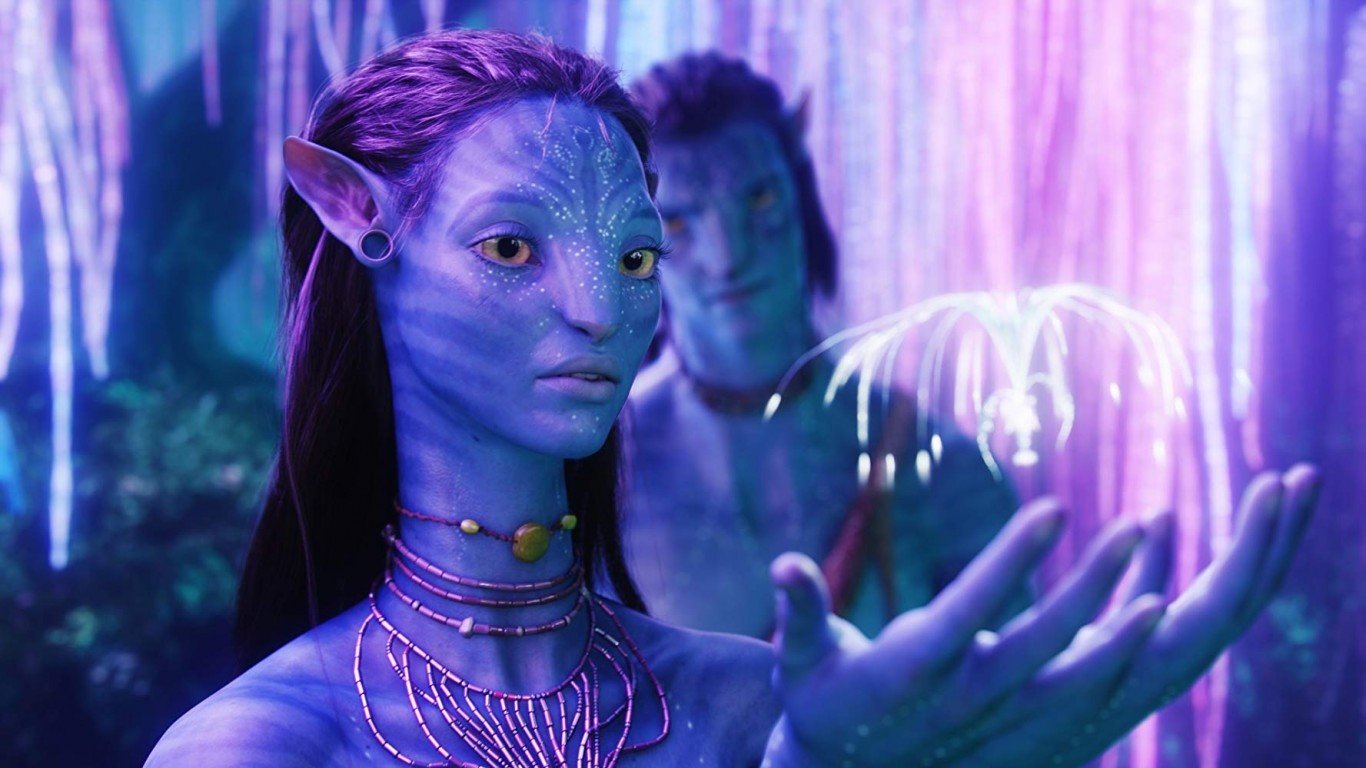
An independent AI director told AFP that “the audience won’t automatically pay for the tickets just because it’s an AI-generated film.” Iris Yang, who saw a preview, set the bar for AFP: “If AI generation can match the theatrical experience of Avatar, I think I would be willing to pay for it.” One netizen quoted by New Weekly summed up the economics: “There are tons of free AI short dramas online, why should I pay to watch this?”
That last question gets at the core problem. Free AI short dramas have taught viewers to think of AI content as cheap, and a theater ticket requires them to pay a premium for it.
Investors Priced In the Hype Before the Reviews
Bona trades in Shenzhen, and New Weekly’s account of its shares tells the same story. The stock hit its 10% daily limit up on Sept. 28 after the release date was set. It then hit its 10% daily limit down on Oct. 26. As of Oct. 28, it was down nearly 10% from the film’s first day in theaters.
That arc is the AI spending debate in miniature. Investors rewarded the announcement, and then customers decided what the product was worth. Markets are requires the same question of much larger AI budgets: does the spending turn into revenue people will actually pay for?
What Comes After the Empty Theaters
The studio calls the film an experiment, and it is fair to treat it as an early market test. For audiences, the AI label alone did not sell tickets, and Yang’s Avatar standard is the bar that counts. One expert suggests such films may find a home on streaming, where viewers already watch AI-made content without paying for a ticket. For investors, the thing to watch is whether the next AI-made feature skips theaters and goes straight to streaming, and whether studios keep advertising “AI-generated” or quietly drop the label.
Contact [email protected] for any questions or corrections.
AJ spent 10 years writing about financial markets at The Motley Fool. His coverage centers on technology stocks and the broader macroeconomic trends, from interest rates to geopolitics, that shape where markets are headed next. AJ is drawn to the stories where big-picture economics and individual companies collide.