The U.S. Has Been Striking Iran as Trump Talks Up a Deal
Trump posted that oil was crashing because Iran wants peace, then US officials said American jets had just struck Iranian territory. The two stories cannot both be true, and oil traders are now betting on which one to believe.


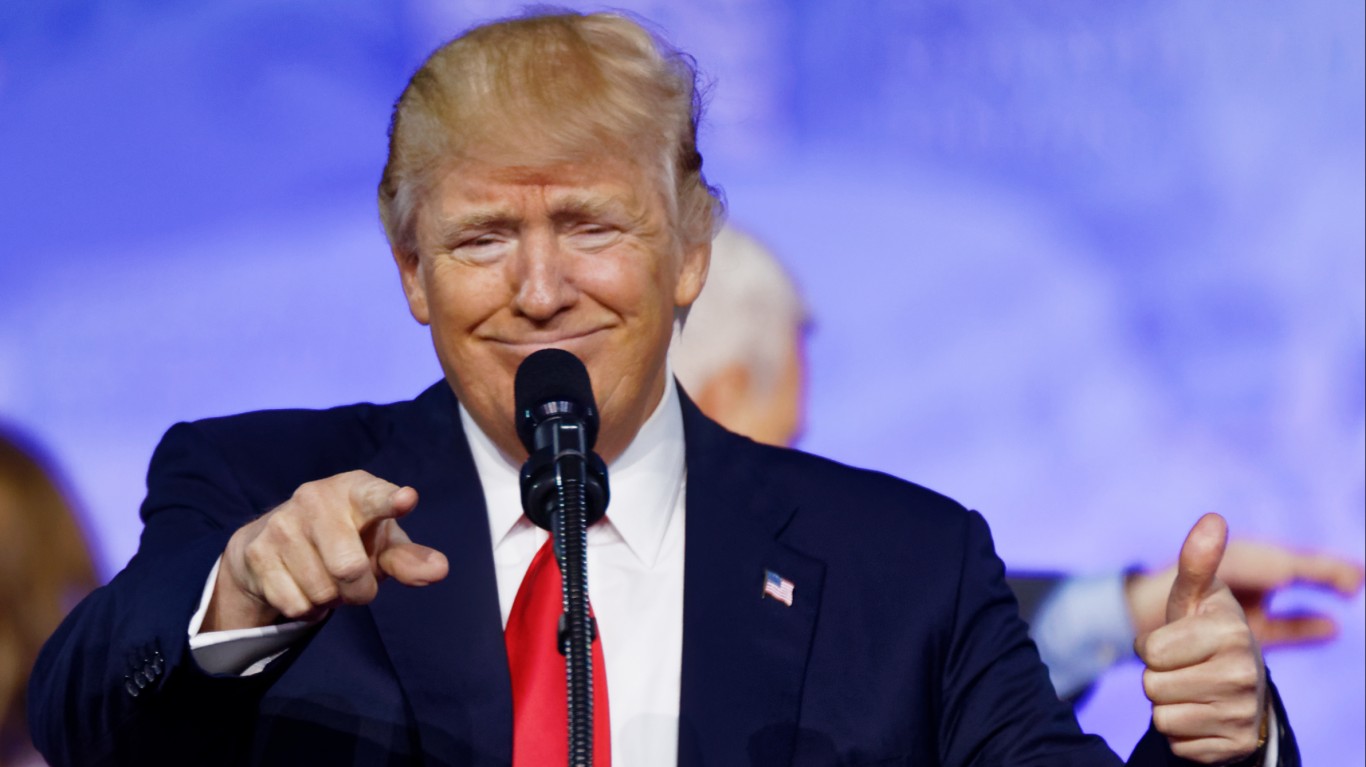
At 3:46 p.m. ET on Monday, November 2, 2026, President Trump posted on Truth Social: “Oil Prices are DROPPING LIKE A ROCK, down almost $10 a Barrel, A RECORD, because people feel that there will not be a War with Iran. Iran wants a settlement, as soon as possible. It could happen!”
Later that day, US officials said American forces had hit Iran’s Qeshm Island in the Strait of Hormuz. They described it as the latest in a series of limited strikes that the Pentagon has not announced. For anyone who owns oil, the two signals point in opposite directions.
Trump’s claim overstated the day. Brent fell $8.66, or 7.63%, to $104.77, and WTI fell $7.66, or 7.36%, to $96.46. Neither came close to the April 8 record.
Stocks closed before the strike report came out. United States Oil Fund (NYSEARCA:USO) fell 7.08% to $156.87, and Exxon Mobil (NYSE:XOM | XOM Price Prediction) fell 4.05% to $179.67.
What Officials Said and What Nobody Confirmed
The only source for the strikes is unnamed US officials. The Pentagon sent questions to US Central Command, and Iranian authorities have confirmed nothing, although Iranian state media reported several explosions on the island.
A senior official said one US fighter jet destroyed one surface-to-air missile launcher in self-defense after the Revolutionary Guards fired a missile from it. Nobody has verified any damage or casualty count.
Earlier, reporters asked Trump whether he was considering strikes after the November 3 midterms. He said “no” and added, “we haven’t been doing any fighting for months.” He made those remarks before the strike report came out.
Vice President JD Vance said he and Trump “feel pretty good about the prospects for potentially coming to a negotiated settlement,” but they have not set a deadline. A diplomat said a draft deal would have Iran quickly reopen the Strait of Hormuz in exchange for US sanctions relief. No text has been released.
Why Oil Barely Moved on the Strike Report
After the report, Brent rose 0.5% to $105.25, and WTI rose 0.5% to $96.93 in early Asian trading. The small move suggests the market is focused on whether the strait reopens. Before the war began on February 28, nearly 20% of the world’s oil supply passed through it.
Pavel Molchanov of Raymond James said the “false dawns” of recent months warrant caution. The real record drop came on April 8. That day WTI fell more than 16%, or roughly $18, to $94.43, and Brent fell over 13%, or roughly $14, to $94.75.
Exxon Can Handle a Deal Better Than USO
USO owns front-month WTI futures contracts. Each time a contract expires, it has to buy the next one, and that roll costs money, so over time the fund drifts away from the price of crude. It traded at $157.75 after hours, up 0.56%.
Exxon is worth $732.87 billion. It also refines fuel and makes chemicals, and it plans $20 billion in share buybacks in 2027. Those businesses help offset lower crude prices. The stock traded at $179.90 after hours, up 0.13%.

Chevron (NYSE:CVX) is worth $444.38 billion, and fell 3.29% to $227.77 before edging up 0.21% to $228.25 after hours.


Goldman Sachs projects that Brent could reach $140 in 2027 if Gulf oil output stays 3.5 million barrels per day below its 2025 average.
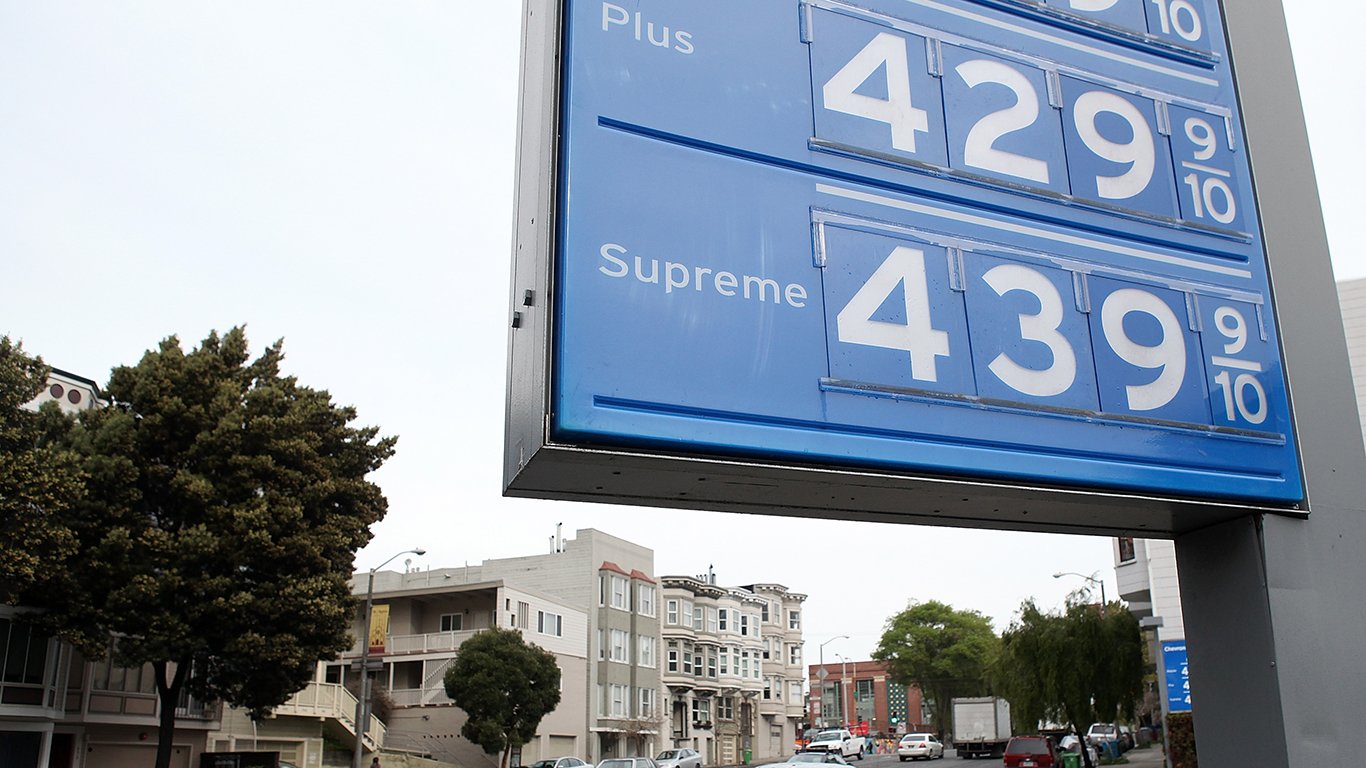
The national average for regular gasoline was $4.1694. That is down from $4.2858 a week earlier but well above $3.0361 a year earlier, which keeps pressure on the White House to get a deal done.
How USO and Exxon Could Respond to a Hormuz Deal
USO has the most direct exposure to a deal. USO is up 126.82% year to date. A signed deal would hurt a futures fund the most, and roll costs keep cutting into returns over time.
Exxon has more buffer than USO. Its refining margins, its 2.35% dividend yield, and 44 straight years of dividend increases provide income to shareholders while the talks continue.
Keep an eye on whether Brent closes below the April 8 level of $94.75, and also on whether there is a confirmed Hormuz reopening, actual sanctions relief, or official confirmation of the strikes.
Contact [email protected] for any questions or corrections.
Omor Ibne Ehsan is a writer at 24/7 Wall St. He is a self-taught investor with a focus on growth, cyclical, and dividend equities that have strong fundamentals, value, and long-term potential. He also has an interest in high-risk, high-reward investments such as penny stocks.