Super Micro Falls 4% Despite Blowout Quarter as Margin Worries and Data Center Backlash Weigh; Dell Sinks 8%, Hewlett Packard Enterprise Drops 6%
Super Micro's blowout earnings sent the stock tumbling instead of soaring, and the reason involves a collision of shrinking margins, one enormous customer, and a wave of ballot measures that could reshape where AI gets built.

This post may contain links from our sponsors and affiliates, and Flywheel Publishing may receive compensation for actions taken through them.
A strong quarter wasn’t enough to protect AI server makers, as margin questions and voter opposition against data centers weighed on the group. Super Micro Computer (NASDAQ:SMCI | SMCI Price Prediction) stock is at $30.10, down 4%, in afternoon trading. Over the past month, Super Micro stock is down 31%.
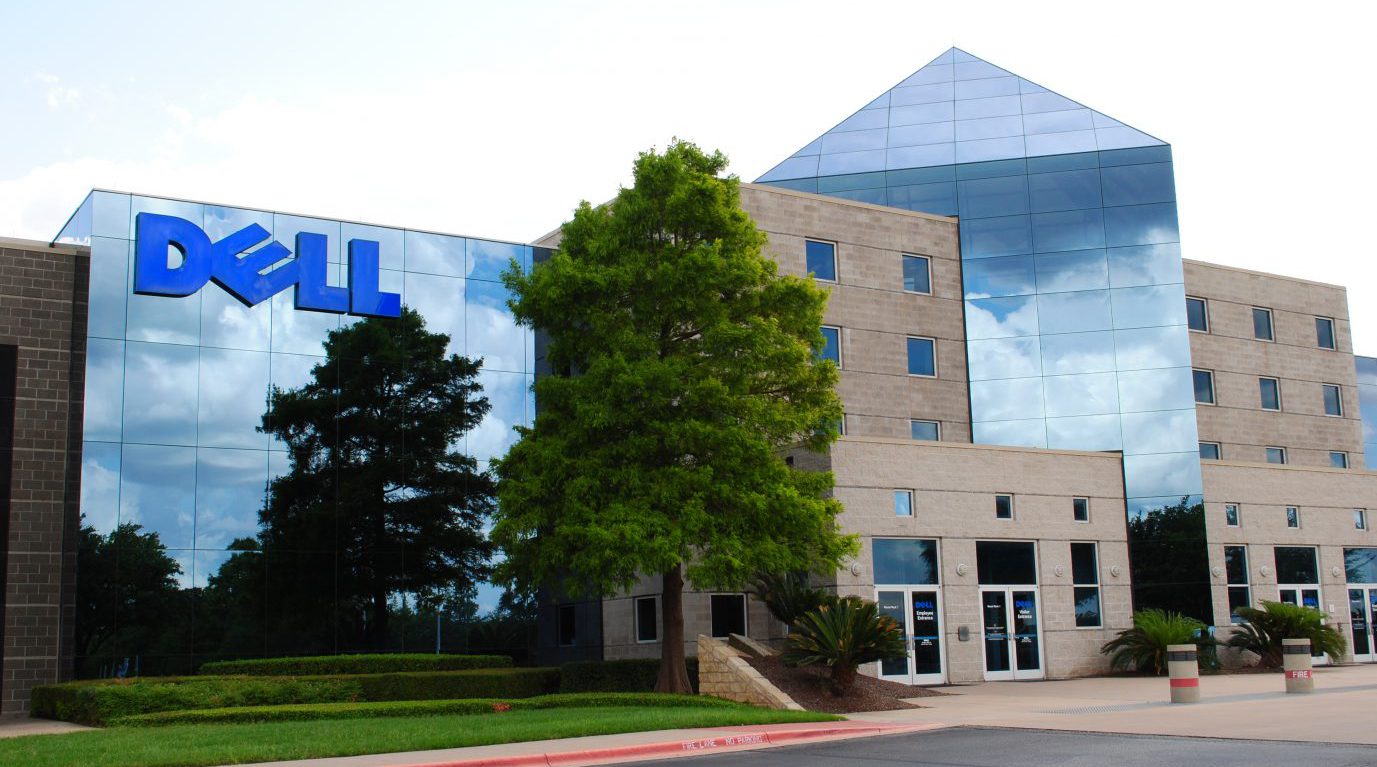
AI server rivals are falling even harder. Dell Technologies (NYSE:DELL) stock is at $374.31, down 8%. Meanwhile, Hewlett Packard Enterprise (NYSE:HPE) stock is at $49.73, down 6%.
Each headline number from Super Micro topped expectations, from revenue and earnings to guidance. Even so, the market is focused on how profitable that growth can be.
Super Micro’s Strong Quarter Comes With a Margin Catch
On November 3, Super Micro Computer reported Q1 FY2027 revenue of $19.95 billion and earnings per share (EPS) of $1.81, ahead of estimates. For Q2 FY2027, Super Micro Computer guided sales to $19.5 billion to $21.5 billion, above the $16.35 billion estimate. Management at Super Micro Computer raised its FY2027 revenue outlook to $72 billion to $82 billion from $65 billion to $72 billion.

At Super Micro Computer, adjusted gross margin came in at 12.8%, above the company’s guidance but below the prior quarter, as AI solutions rose to 71% of revenue from 59%. CFO Mark Long guided FY2027 gross margin to 11.8% to 12.2%, noting that large AI installations carry lower margins than enterprise and channel sales.
One large data center customer accounted for 44% of Super Micro Computer’s Q1 revenue. Long tied that to scale, saying, “Concentration at this level is a consequence of the scale at which AI infrastructure is now being built.” Without $2.3 billion of catch-up from previously delayed installations, the CFO said, underlying revenue was $17.6 billion, and the outlook doesn’t assume a repeat. Super Micro Computer’s operations used $434 million of cash in the quarter.
Data Center Ballot Results Add a Second Layer of Pressure
The November 3 elections raised a broader concern for AI hardware makers, including Super Micro. Texas accounts for more than 25% of planned U.S. data center capacity by 2030, according to Yahoo Finance, and voters there elected a governor who has promised a moratorium on data center construction. Yahoo Finance also reported that one tracker counted 28 ballot measures to limit data centers nationwide, with virtually all on track to pass.
Before the vote, Raymond James analyst Ed Mills said a strong Democratic showing in Texas “could signal a broader electoral wave while increasing concerns about data center moratoriums and more restrictive AI regulation in the nation’s largest planned data center development.” That view is one factor investors may be weighing, and it echoes Super Micro’s warning that land, power and data center readiness limit AI build-outs.
Dell and Hewlett Packard Enterprise Slide More Than Super Micro
Dell stock is up 201% year to date (YTD), so the drop follows a big run. Moreover, HPE stock is up 109% YTD. Profit-taking or caution ahead of their upcoming earnings reports may be adding pressure.
In its Q2 FY2027 results, Dell reported an AI server backlog of $95 billion and an Infrastructure Solutions Group operating margin of 15%, up from 8.8%. Selling in Dell and Hewlett Packard Enterprise alongside Super Micro suggests traders are treating the group as one AI build-out story.
How Super Micro’s Business Model Differs From Its Rivals
Super Micro sells modular server and rack systems under its Data Center Building Block Solutions brand, and it leans heavily on a few massive AI installations. That model lets the company ramp quickly but ties gross margin to which customers take delivery each quarter.
Dell pairs AI and traditional servers with storage and a large PC business, giving it a broader revenue base. HPE leans more on networking after its Juniper acquisition, which gives it a richer margin mix than a pure server maker.
What Comes Next for Super Micro’s AI Server Margins

Another challenge for Super Micro is whether gross margin holds in what Long called “this 12% gross margin range” as its customer base expands. Supporters can cite the raised revenue outlook and demand that management says far exceeds component supply. Against that, the bears see heavy customer concentration, a lower second-half margin outlook and possible local limits on data center construction.
For Dell and Hewlett Packard Enterprise, their upcoming reports could show whether the margin pressure is unique to Super Micro. Investors may want to follow how the debate over Super Micro’s margins develops before drawing any firm conclusions.
Contact [email protected] for any questions or corrections.
David Moadel is financial writer specializing in stocks, ETFs, options, precious metals, and Bitcoin. David has written well over 1,000 articles for leading online publications, helping investors understand markets, income strategies, and risk.His work has appeared in The Motley Fool, InvestorPlace, U.S. News & World Report, TipRanks, ValueWalk, Benzinga, Market Realist, TalkMarkets, Finmasters, 24/7 Wall St., and others.With a master’s degree in education, David has taught at the elementary, high school, and college levels. That teaching background shapes his writing style: clear, educational, and practical. David has also built a loyal social-media audience by providing trustworthy financial content on YouTube, X/Twitter, and StockTwits.