Oracle Just Walked Away From a $7 Billion Tencent AI Deal
A five-year chip lease vanished after Washington stepped in, yet the lost contract is a rounding error next to Oracle's backlog. The bigger threat sits in another China-linked relationship that now faces the same pressure.

This post may contain links from our sponsors and affiliates, and Flywheel Publishing may receive compensation for actions taken through them.
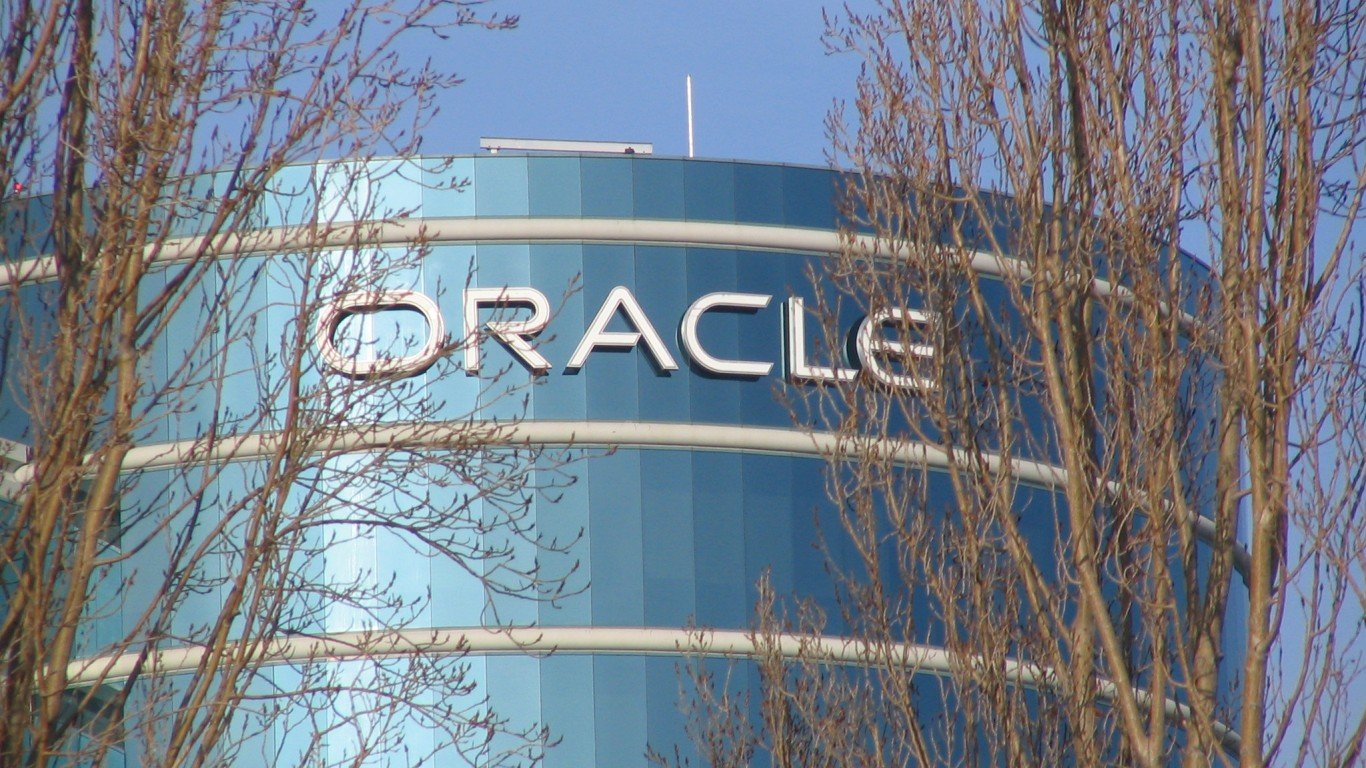
A large reported China-linked AI cloud contract appears to be gone. On November 4, 2026, the Financial Times reported, citing two people familiar with the matter, that Oracle (NYSE:ORCL | ORCL Price Prediction) canceled a five-year agreement worth an estimated $7 billion. The deal would have rented Tencent access to roughly 100,000 advanced AI chips in Southeast Asian data centers, and it ended after US officials raised concerns.
Neither company has confirmed the report. Oracle, Tencent and the White House did not immediately respond, and Tencent trades in the US only over the counter.
Oracle closed at $123.77 on November 4, down 1.92%, for a market value near $375.2 billion, after trading between $121.78 and $129.85. That followed a 5.85% gain to $126.19 on November 3. Shares were $123.86 at 7:59 p.m. ET, far below the $255.28 52-week high, and no source ties the decline to the report.

What the Report Covers and What It Leaves Out
The lease was first reported around October 1 as Tencent’s largest overseas leasing deal, spanning multiple Oracle data centers, with about 30% of the value paid upfront. The term, chip count, region, and upfront share are known. The chip model, the host countries, whether the upfront money was paid or returned, and whether the contract ever sat in Oracle’s backlog remain unknown.
Oracle also had little room to choose. Washington objected, and senior officials in Guangdong, where Tencent is based, separately pressed the company to back Chinese-made chips. On its August earnings call, Tencent’s chief strategy officer said a very substantial share of its new compute was going toward building its own models.
Why $7 Billion Barely Registers Against Oracle’s Backlog
The lease works out to about $1.4 billion a year, roughly 1% of the $664 billion in remaining performance obligations, meaning contracted revenue Oracle has yet to recognize. Oracle booked more than $30 billion in new AI cloud contracts in its fiscal first quarter alone.
The larger exposure is Oracle’s other China-linked work. ByteDance and Alibaba (NYSE:BABA) hold significant chip-leasing agreements. Those agreements are with US cloud providers, and Oracle remains a ByteDance supplier in Asia with several Malaysian data centers. If pressure ended the Tencent lease, that relationship now carries the same political risk.
A Policy Line Moved by Pressure Instead of Law
As of October 1, US rules blocked Chinese companies from buying advanced AI chips directly but allowed them to rent overseas capacity. The Remote Access Security Act passed the House 369-22 on January 12, 2026. The measure would let the Commerce Department regulate cloud access to controlled chips, but its Senate companion sat in committee as of March.
On May 31, the Bureau of Industry and Security said it would enforce license requirements for advanced chips going to China-headquartered entities abroad, without mentioning leasing. Commerce Secretary Howard Lutnick told a congressional hearing on April 22 that the US would not sell its best chips to China under any circumstance.
A day before the report, NVIDIA (NASDAQ:NVDA) reportedly told cloud partners directly that at least 51% of services on future contracts must go to non-Chinese customers. Nothing ties that instruction to this cancellation.
What the Canceled Lease Means for Oracle Shares
The report removes a contract worth about 1% of backlog and, if confirmed, brings down the political exposure hanging over Oracle’s Asian business. Released capacity could go to non-Chinese customers with less risk of a forced exit, many of them the power, cooling and networking suppliers we profiled in a free report on seven AI infrastructure names that aren’t chipmakers.

The stock trades near 15 times fiscal 2027 non-GAAP EPS guidance of $8.10, with revenue guided to at least $90 billion. Shares are down 49.46% over one year, so much of the China and financing risk is already priced in.
Cash remains the real risk. Free cash flow was negative $5.396 billion last quarter, and Oracle is selling $20 billion of stock and bonds to keep building.
Watch for confirmation or denial from either company. Also keep an eye on Tencent’s November 18 board meeting on third-quarter results, any change to the ByteDance arrangement, and Oracle’s December earnings report. A close below the $114.50 52-week low would signal the market sees deeper trouble than one canceled lease.
Contact [email protected] for any questions or corrections.
Omor Ibne Ehsan is a writer at 24/7 Wall St. He is a self-taught investor with a focus on growth, cyclical, and dividend equities that have strong fundamentals, value, and long-term potential. He also has an interest in high-risk, high-reward investments such as penny stocks.