Export Controls Were Supposed to Keep AI Chips Out of China. The Rental Loophole Shows Why They Haven’t

This post may contain links from our sponsors and affiliates, and Flywheel Publishing may receive compensation for actions taken through them.

Former Cisco Systems (NASDAQ:CSCO | CSCO Price Prediction) chief executive John Chambers joined CNBC’s Fast Money on November 11 and said this about U.S. technology ties with China: “The capability we give them and the trust factor is broken.” He also said, “But when the current leadership came in, I pulled out of China.”
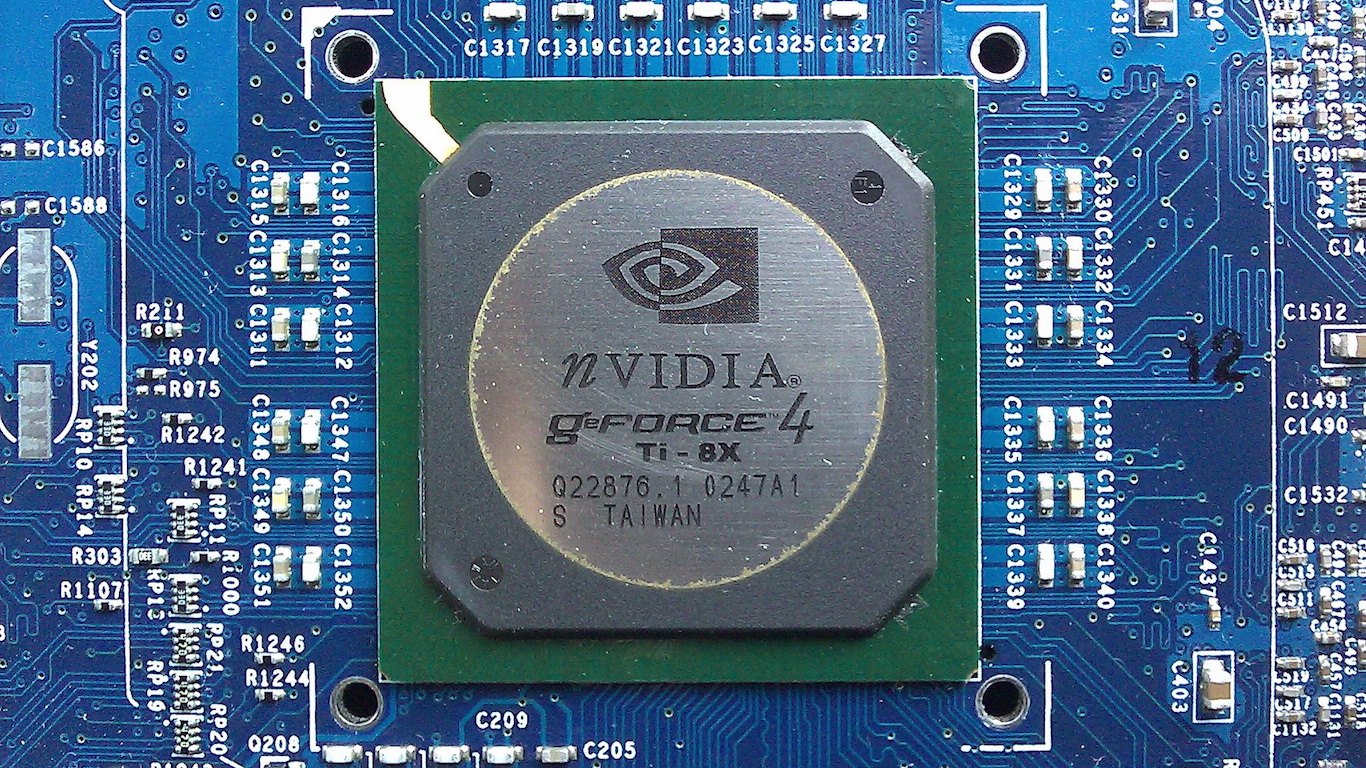
His comments come at a tense moment for Nvidia (NASDAQ:NVDA), the AI chip designer at the center of Washington’s export control policy. Shares traded at $160.56 Thursday morning, down 7.6% on the day and 29.1% over the past month, with the company’s leadership in flux after its chief executive resigned. The policy question matters more over the long run: are the controls built to keep advanced chips away from Chinese AI labs actually working?
Leasing Compute Out of Malaysia Is Legal
Bloomberg’s Odd Lots walked through an example: a company builds data centers in Malaysia and leases them to DeepSeek and other leading Chinese AI companies. The episode said that, as far as anyone knows, “there is nothing per se illegal about that arrangement.” It added, “There are no restrictions on selling chips into Southeast Asia to be used to train the most advanced open source models from China. There’s actually nothing illegal about it.”
In the Megaspeed case, the show said remote rentals are “extraordinarily common across the Southeast Asian data center ecosystem,” and that U.S. scrutiny centered on “the suspicion that the company has not just rented compute to Chinese offtakers, but actually diverted the physical hardware” into mainland China. According to the episode, the Biden administration sought to limit this kind of access through the AI Diffusion rule, which was set to take effect in May 2025. The Trump administration is not applying it.
Why Chinese Demand Flows to Southeast Asia
“Offtake” means committed buyers who agree ahead of time to purchase a data center’s capacity. According to Odd Lots, Nvidia chips are “filling all these data centers in Southeast Asia that in many cases wouldn’t exist if not for the offtake demand from Chinese companies.” The show called Johor, Malaysia, in some ways “the backbone of Chinese compute.”
Chinese-made chips cannot fill that gap yet. Bloomberg (via Odd Lots) reported that “Huawei’s overall production capacity of its best AI chips is in the low hundreds of thousands,” and that Huawei senior executives say “it’ll take until 2030 to satiate domestic demand.”
Nvidia’s Own Filings Show the Tension
In its Q2 fiscal 2027 earnings release, Nvidia guided third-quarter revenue to $108 billion, plus or minus 2%, excluding any Data Center compute revenue from China. On the August 26 call, CFO Colette Kress said Hopper shipments to China-based customers made up “less than 1% of our total data center revenue.” Even so, Data Center revenue reached $89.02 billion, up 117% from a year earlier.

Nvidia is also building a distributed rental model. Kress described a revenue-sharing setup with regional NeoClouds in which “we get paid twice: once on the hardware sale and again through the share of rental revenue.” YTL AI Cloud in Malaysia is one of the named partners. Jensen Huang, CEO at the time of the call, said the platform “is fungible and durable and can be redeployed to support other customers.” While nothing on the call showed Nvidia equipment being leased into China, regional ownership and third-party operation make it harder to see who ends up using the chips.
Chambers Calls for a Selective Approach
Chambers said that for very advanced technologies important to defense, “we have to be very selective,” and added that he would be conservative. Those controls depend on trust. Washington has to trust that chips sold to allies stay put, and that the cloud operators renting them out know who their customers are.
What to Watch as Washington Weighs Its Next Move
First, look for any move by Washington to close the remote-access rental loophole. That could mean reviving something like the AI Diffusion rule or adding licensing requirements for overseas cloud operators. Either would change who can lease Nvidia compute in Southeast Asia.
Second, track how much Nvidia’s business depends on buyers in Southeast Asia. Kress said sovereign AI, mostly sold through regional NeoClouds, more than tripled year-over-year in Q2. Any added detail by region in upcoming filings or on the next earnings call would show how exposed that growth is if the rules tighten.


Contact [email protected] for any questions or corrections.
Trey has been an editor and author at 24/7 Wall St. for more than a decade, where he has published thousands of articles analyzing corporate earnings, dividend stocks, short interest, insider buying, private equity, and market trends. His comprehensive coverage spans the full spectrum of financial markets, from blue-chip stalwarts to emerging growth companies.
Beyond 24/7 Wall St., Trey has created and edited financial content for Benzinga and AOL's BloggingStocks, contributing additional hundreds of articles to the investment community.
Trey's editorial expertise extends across multiple publishing environments. He served as production editor at Dearborn Financial Publishing and development editor at Kaplan, where he helped shape financial education materials. Earlier in his career, he worked as a writer-producer at SVE. His freelance editing portfolio includes work for prestigious clients such as Sage Publications, Rand McNally, the Institute for Supply Management, the American Library Association, Eggplant Literary Productions, and Spiegel.
Outside of financial journalism, Trey writes fiction and has been an active member of the writing community for years, moderating workshop sessions at regional conventions.