Warren Buffett’s Berkshire Just Spent a Record $9.6 Billion Buying Its Own Stock
Berkshire bought back a record $9.6 billion of its stock in the third quarter. Here is what the report means for a retiree holding 500 shares.

This post may contain links from our sponsors and affiliates, and Flywheel Publishing may receive compensation for actions taken through them.
Berkshire Hathaway (NYSE: BRK-B) bought back about $9.6 billion of its own shares in the third quarter, the most it has ever spent on its stock in a single quarter. The figure came in the company’s quarterly report on Saturday morning, and it tops the roughly $9.3 billion Berkshire spent in the third quarter of 2020.
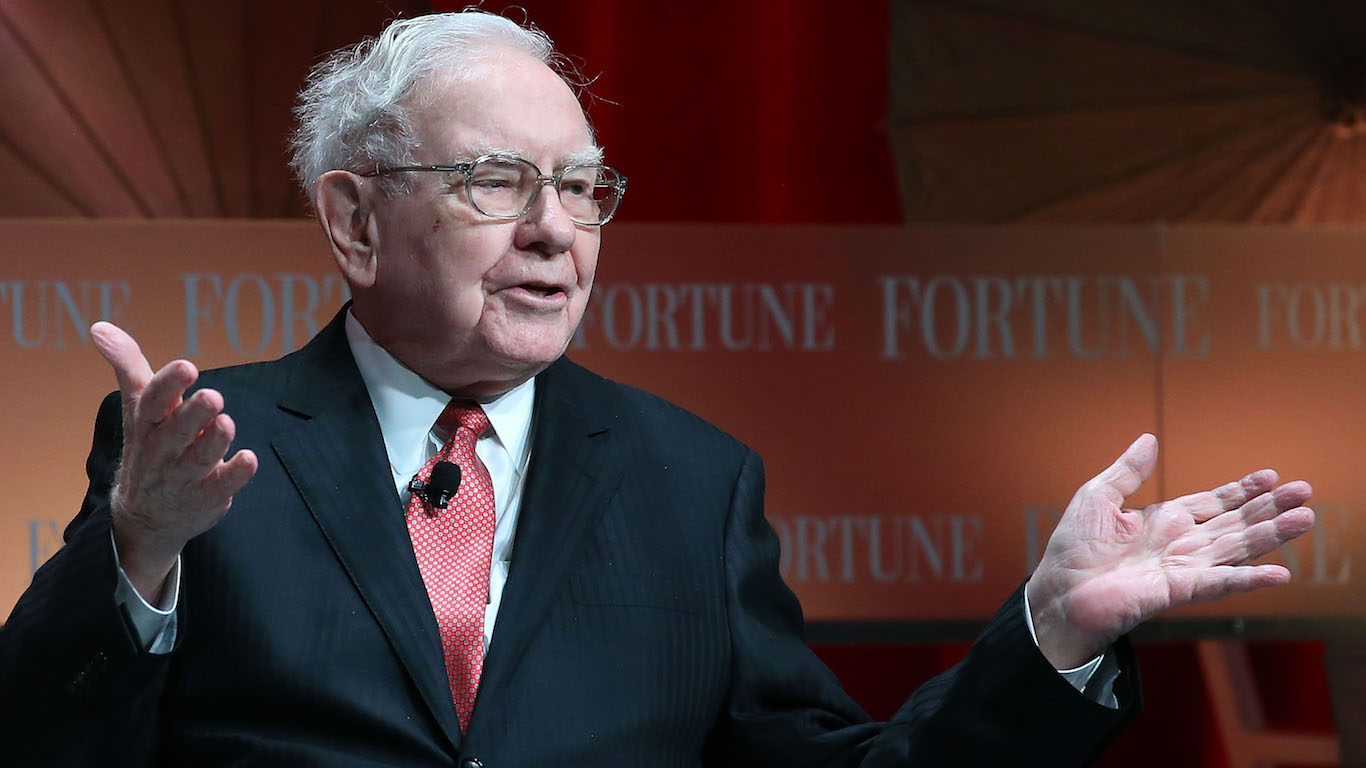
It is also the first big buyback under the new leadership. Greg Abel became chief executive at the start of 2026, and in September Warren Buffett became chairman emeritus, with the board electing his son Howard Buffett as chairman. Under Berkshire’s rules, the CEO approves repurchases after consulting the chairman, and only when he believes the stock is trading below what the business is worth.
Take a 70-year-old retiree who bought 500 Class B shares on Nov. 7, 2016, at $146.91 a share, a $73,455 investment. At Friday’s close of $570.89, those shares are worth $285,445. Berkshire pays no dividend, so this retiree’s question is practical: what does Saturday’s report say about the company, and how do you turn shares that pay nothing into income?
What Berkshire reported
Operating earnings, the profit from Berkshire’s businesses before investment gains and losses, were $12.7 billion in the quarter, down 5.8% from $13.5 billion a year earlier. Over the first nine months they were $37.0 billion, up 8.0%.
The quarter split two ways:
- BNSF railroad: $1.73 billion, up 19.3%
- Manufacturing, service and retailing: $4.04 billion, up 11.8%
- Berkshire Hathaway Energy: $1.61 billion, up 8.3%
- Insurance underwriting: $1.35 billion, down 42.9%
- Insurance investment income: $2.73 billion, down 14.1%
The operating businesses grew. Insurance pulled the total down, both from smaller underwriting profits and from lower interest income on Berkshire’s huge pile of Treasury bills.
Net earnings were $22.1 billion, which includes $9.4 billion of investment gains. Berkshire itself warns that those gains swing with the stock market and say little about how the business is doing.
Where the money went
The buyback was concentrated late in the quarter. Berkshire bought about 12.4 million Class B shares at an average of $503.68, plus 4,536 Class A shares, and the heaviest buying came in September. Over nine months the total reached $14.4 billion.
Those purchases already look well timed. Class B shares closed at $570.89 on Friday, 13.3% above the average price Berkshire paid and 14.6% above where they ended September. The stock hit a record close of $579.09 on Wednesday and is up 13.6% this year, compared with 7.8% for the S&P 500 fund SPY.
Berkshire has also been putting money to work elsewhere. In the first nine months it bought $41.8 billion of stocks and sold $30.6 billion, making it a net buyer of about $11.2 billion. It paid about $9.4 billion for OxyChem in January and about $6.8 billion in cash for homebuilder Taylor Morrison in July.
Even so, its insurance and other businesses still held $352.3 billion in cash and Treasury bills at Sept. 30, after subtracting bill purchases that settled in October.
What the buyback means for the retiree’s shares
A buyback makes each remaining share a slightly bigger piece of the company. At the end of September, Berkshire had the equivalent of 1,418,900 Class A shares outstanding, down 1.34% from an average of 1,438,223 a year earlier. Each share the retiree holds now owns about 1.36% more of Berkshire than it did then.
Over 10 years, the investment has done well. The 500 shares cost $73,455 and are worth $285,445, a gain of $211,990, or 288.6%. The same $73,455 put into SPY in November 2016 would be worth about $253,393 on price alone, so Berkshire is ahead by about $32,052.
How to make a paycheck from a stock with no dividend
Buffett explained the trade-off in his 2012 letter to shareholders. He compared a company paying a dividend with one that keeps all its earnings while each owner sells a small slice of shares each year, about 3.2% in his example. He called this the “sell-off” approach and concluded that it can leave owners with more cash and more value over time, and with a smaller tax bill.
For this retiree, a 4% yearly draw from $285,445 is about $11,418, or 20 shares at Friday’s price. Here is what that sale looks like in a taxable account:
- Proceeds: about $11,418
- Taxable gain: about $8,480, since each share cost $146.91
- Federal tax at the 15% long-term rate: about $1,272
- What remains: 480 shares
A dividend of the same $11,418 would be taxed in full, about $1,713 at 15%. Selling shares taxes only the gain, so the retiree keeps about $441 more. Buffett’s smaller 3.2% example would mean selling 16 shares, about $9,134 a year.
The buyback helps this plan quietly. While the retiree sells about 20 shares a year, Berkshire is shrinking the share count, so the stake left behind owns a larger slice of the earnings.
Where this is weak
A buyback is only good for owners if the price is below what the business is worth, and that is a judgment call by management. Insurance profits fell sharply this quarter and can fall further, and lower interest rates will keep cutting the income on Berkshire’s cash. The SPY comparison uses price only; SPY’s dividends would narrow Berkshire’s lead. Selling shares for income works best in years the stock is up. In a bad year, 20 shares bring in less, and the retiree may need to sell more or hold cash in reserve.
The bottom line
Berkshire’s record $9.6 billion buyback is the clearest signal yet from the Abel era: management thinks the stock was cheap at around $504 a share, and it is already worth $570.89. Operating earnings slipped 5.8% on weaker insurance results while the railroad, energy and industrial businesses grew. For a 70-year-old with 500 shares bought in 2016, the stake is worth $285,445, and selling about 20 shares a year would provide about $11,418 of income for about $1,272 in federal tax.
Contact [email protected] for any questions or corrections.
I've been writing about stocks and personal finance for 20+ years. I believe all great companies are tech companies in the long run, and I invest accordingly.