Google, Nvidia and Microsoft Are Among 7 Tech Giants Putting $26 Billion Into Anthropic’s IPO

This post may contain links from our sponsors and affiliates, and Flywheel Publishing may receive compensation for actions taken through them.
A report at about 8:20 p.m. ET on Monday, November 9, 2026, said seven chip and cloud companies would invest $26 billion at Anthropic’s IPO price. The money would come through a private placement alongside the offering. The seven are Alphabet (NASDAQ:GOOG | GOOG Price Prediction, NASDAQ:GOOGL), NVIDIA (NASDAQ:NVDA), Microsoft (NASDAQ:MSFT), AMD (NASDAQ:AMD), Broadcom (NASDAQ:AVGO), Micron Technology and Taiwan Semiconductor Manufacturing.
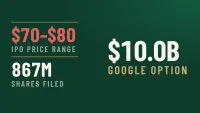
Anthropic has not confirmed the figure, and no SEC filing shows it. Later that night, Anthropic told bankers that the pricing in a filing copy it had distributed, about 867 million Class A shares at $70 to $80, was “inaccurate”.
None of the seven stocks has traded on the report yet, because it came out after Monday’s close. Nvidia closed at $178.67, down 4.27%, while AMD gained 13.26% earlier in the session.
What Is Signed Versus What Is Only Reported
The amended S-1 dated November 2 documents one such commitment. Google holds an option on Class N stock. That option lets it buy up to $10.0 billion at the IPO price, and using it would reduce the $20 billion still available under its note facility by the same amount.
The deal did not include a per-company split of the $26 billion. Amazon, which has a $15 billion note agreement with Anthropic, is missing from the list.
The seven were worth about $17.07 trillion combined, so $26 billion is around 0.15% of that. For Anthropic, it would sit on top of an IPO (the withdrawn copy) sized at up to $69.3 billion.
This anchor order shows demand at the offer price. It leaves fewer shares for public buyers to absorb, although it does not set the price.
Which Backers Gain the Most
Google has the most reported exposure, starting with a $10.0 billion Series H investment. Google Cloud revenue grew 103% to $30.71 billion last quarter, so Anthropic’s TPU spending matters far more to Alphabet than any gain on the shares.
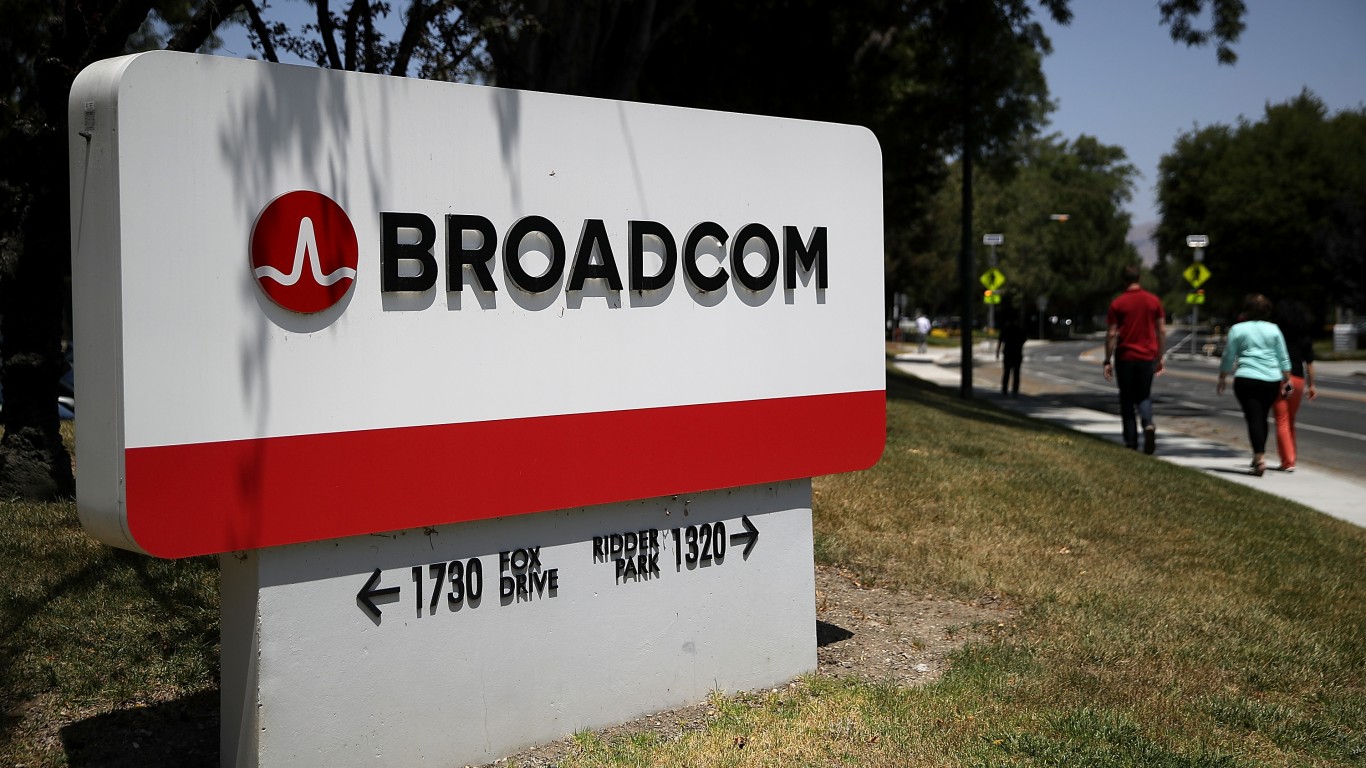
Broadcom has a $42 billion note agreement with Anthropic and expects it to become its largest custom-chip customer in 2027. AMD named Anthropic among the first customers running its Helios server racks.
Nvidia said it has committed nearly $50 billion in frontier AI labs. Microsoft would add a second major AI partner alongside OpenAI, and Azure grew 48%.
The report did not say who pays what, or whether the pricing correction affects the placement, though some investors view supplier-funded stakes as circular because the cash comes back as chip orders. On Nvidia’s August call, Jensen Huang said: “we know some will call this circular financing.”
Bull and Bear Cases for AI Infrastructure Stocks
The bull case is demand that suppliers can’t keep up with. Micron has more than 75% of its fiscal 2027 shipments committed. The bear case is that Micron fell 28.74% in a month and Nvidia fell 22.07%, and those declines show how quickly sentiment can turn.
Among the seven, Broadcom has the most verifiable Anthropic exposure. Its Anthropic business rests on disclosed contracts, and it guided to $21.7 billion in AI chip revenue for the quarter it is reporting next. The stock is down 7.19% year to date.

If an amended S-1 on the SEC index shows the $26 billion before trading starts, the report holds up. If it doesn’t, Google’s $10.0 billion option remains the only commitment you can verify.
Contact [email protected] for any questions or corrections.
Omor Ibne Ehsan is a writer at 24/7 Wall St. He is a self-taught investor with a focus on growth, cyclical, and dividend equities that have strong fundamentals, value, and long-term potential. He also has an interest in high-risk, high-reward investments such as penny stocks.