Oil Prices Just Fell to Their Lowest Since August as Trump Says the Iran War Is ‘Effectively Over’

This post may contain links from our sponsors and affiliates, and Flywheel Publishing may receive compensation for actions taken through them.
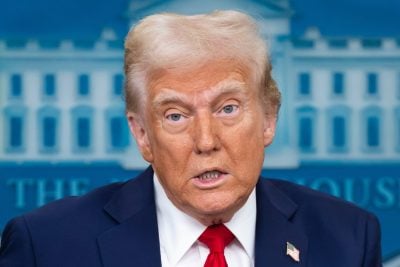
Oil kept falling on Monday, November 9, 2026. Brent crude for January delivery settled at $92.57 a barrel, down $5.75 or 5.85%. West Texas Intermediate (WTI, the U.S. benchmark) for December delivery settled at $86.85, down $3.98 or 4.38%.
On continuous-contract data, both were the lowest settlements since August 31, when Brent settled at $90.49 and WTI at $85.76. Prices kept falling after President Trump said the Iran war is “effectively over” militarily. Brent’s loss later exceeded $7, and WTI’s exceeded $5.
The United States Oil Fund (NYSEARCA:USO) fell 3.9% to $142.66, its lowest close since September 4. Exxon Mobil (NYSE:XOM | XOM Price Prediction) slipped 0.66%, and Chevron (NYSE:CVX) fell 0.86% to $210.78.
A statement with no signed agreement behind it moved the futures market, and the fund most directly tied to crude lost the most.
What Trump Committed To and What He Only Said
The selling during the session followed Trump’s CNN interview on Sunday, November 8. He said a return to full-scale strikes was highly unlikely, cited the economic damage, and said officials had picked out 38 bridges that could be hit.
On Monday, he met at the White House with Vice President JD Vance and Qatar’s prime minister, who reportedly brought an Iranian proposal. The “effectively over” comment came after the 2:30 p.m. ET settlement, so it did not cause the settlement drop.
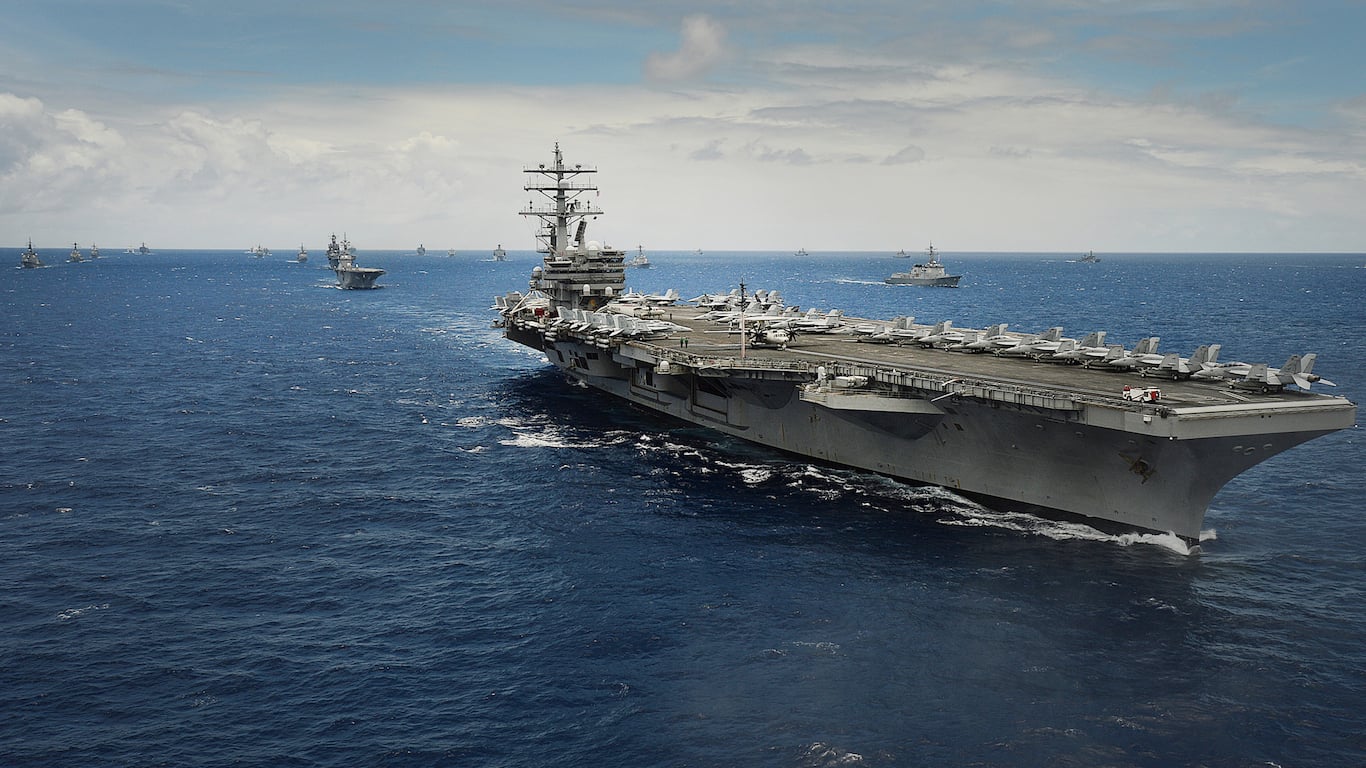
Trump also said the U.S. would keep the status quo. That means the naval blockade of Iranian ports. It also includes Task Force Iron Gate, which aims to cut off Iran’s trade by land and across the Caspian Sea. On Truth Social, he said Gulf allies want both kept in place and that new strikes look unlikely for now. No ceasefire has been signed, and no terms have been disclosed.
Why USO Fell Harder Than Exxon and Chevron
USO holds near-month WTI futures, so it tracks crude minus roll costs (the cost of replacing contracts as they expire). It is down 15.5% since October 30. Over six sessions from that day, WTI fell 16.6% from $104.12.
Exxon is down 12.03%, and Chevron is down 10.5% over the same stretch, but their refining businesses cushion the blow. Chevron’s U.S. refining and marketing unit earned $3.58 billion in the third quarter, compared with $638 million a year earlier. Exxon’s Gulf Coast refineries ran at 100% crude-unit use.

Iran Disputes the Talks Trump Described
Mohsen Rezaei, secretary of Iran’s Supreme National Security Council, accused Trump of inventing talks that do not exist, while Secretary of State Marco Rubio said Sunday evening that a breakthrough was not imminent. A senior Qatari official called an earlier report of an $8 billion frozen-asset release “totally inaccurate.”
Trump also called the war effectively over in June. Brent settled at $87.33 on June 12 and reached $135.51 by October 2.
Supply is pushing prices down more steadily than diplomacy. One major bank estimated an October surplus of about 1.4 million barrels a day. OPEC output rose 1.38 million barrels a day to 22.87 million.
What Could Keep Pressure on USO
USO faces continued pressure. Near-month futures face persistent pressure. A supply surplus and rising OPEC output can keep pressure on them even if diplomacy stalls, and the fund has no refining business or dividend to offset that.
Exxon carries a different risk profile. It yields 2.56%, has raised its dividend for 44 consecutive years and plans $20 billion of buybacks in 2027. Its chief executive expects fuel markets to need “well through next year” to get closer to normal.
That outlook changes if WTI settles back above $104.12 before any signed agreement appears. WTI traded near $85.90 overnight, so the next test is whether it settles below the August 31 level of $85.76.
Contact [email protected] for any questions or corrections.
Omor Ibne Ehsan is a writer at 24/7 Wall St. He is a self-taught investor with a focus on growth, cyclical, and dividend equities that have strong fundamentals, value, and long-term potential. He also has an interest in high-risk, high-reward investments such as penny stocks.