CVS Beat Earnings by 27% and Split in Two, and Elizabeth Warren Says She Is Not Fooled

This post may contain links from our sponsors and affiliates, and Flywheel Publishing may receive compensation for actions taken through them.
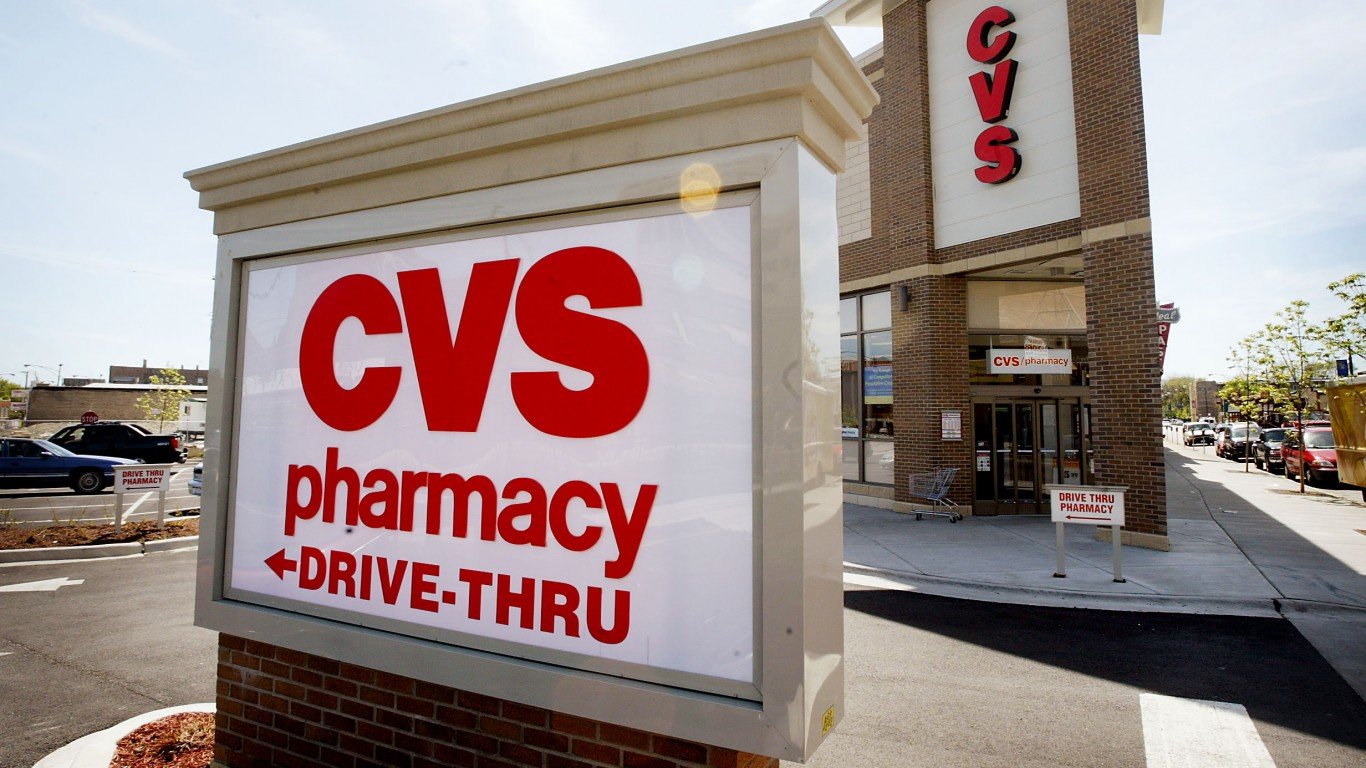
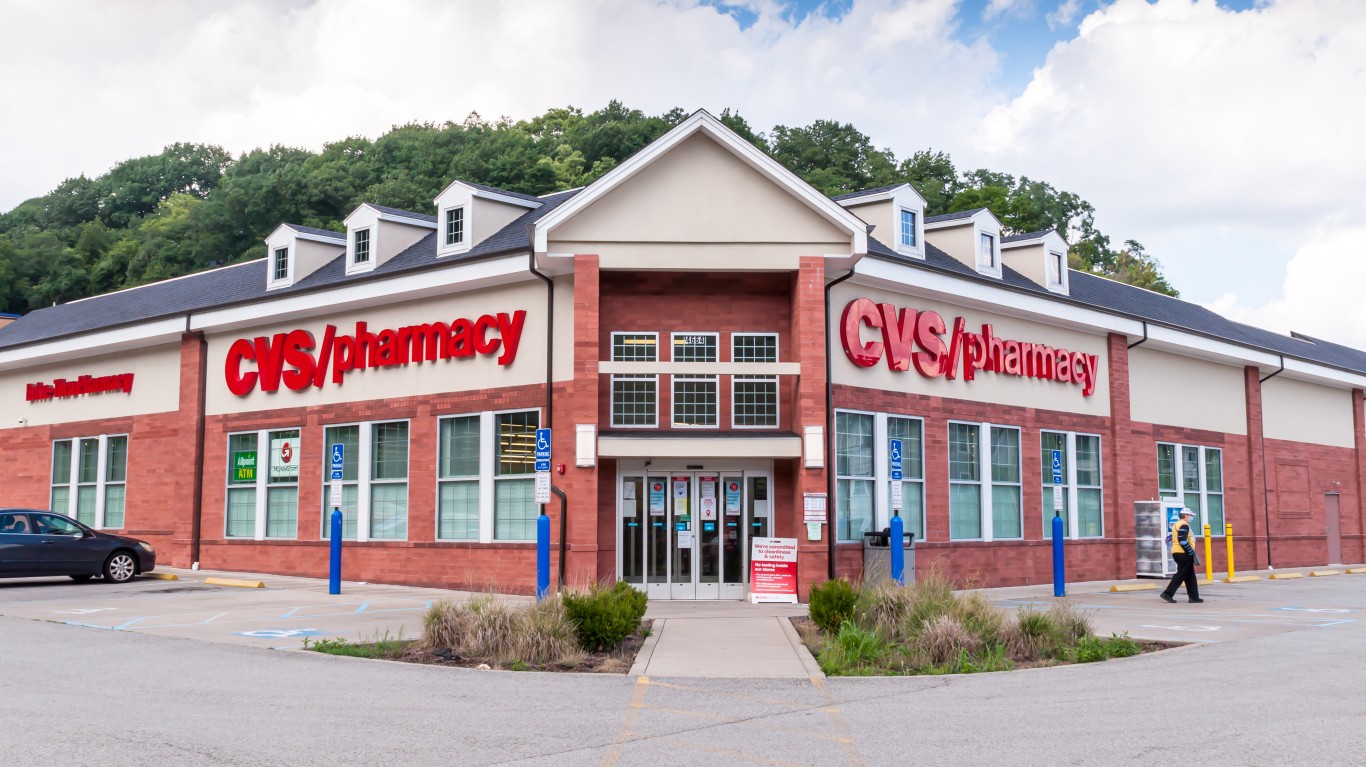
On November 4, 2026, CVS Health (NYSE:CVS | CVS Price Prediction) reported third-quarter adjusted EPS of $2.09 against a $1.6508 consensus, a 26.61% surprise. It raised full-year adjusted EPS guidance to at least $8.20. In the same hour it issued a release called “CVS Health Announces Intent to Create Two Distinct Leaders in Healthcare.”

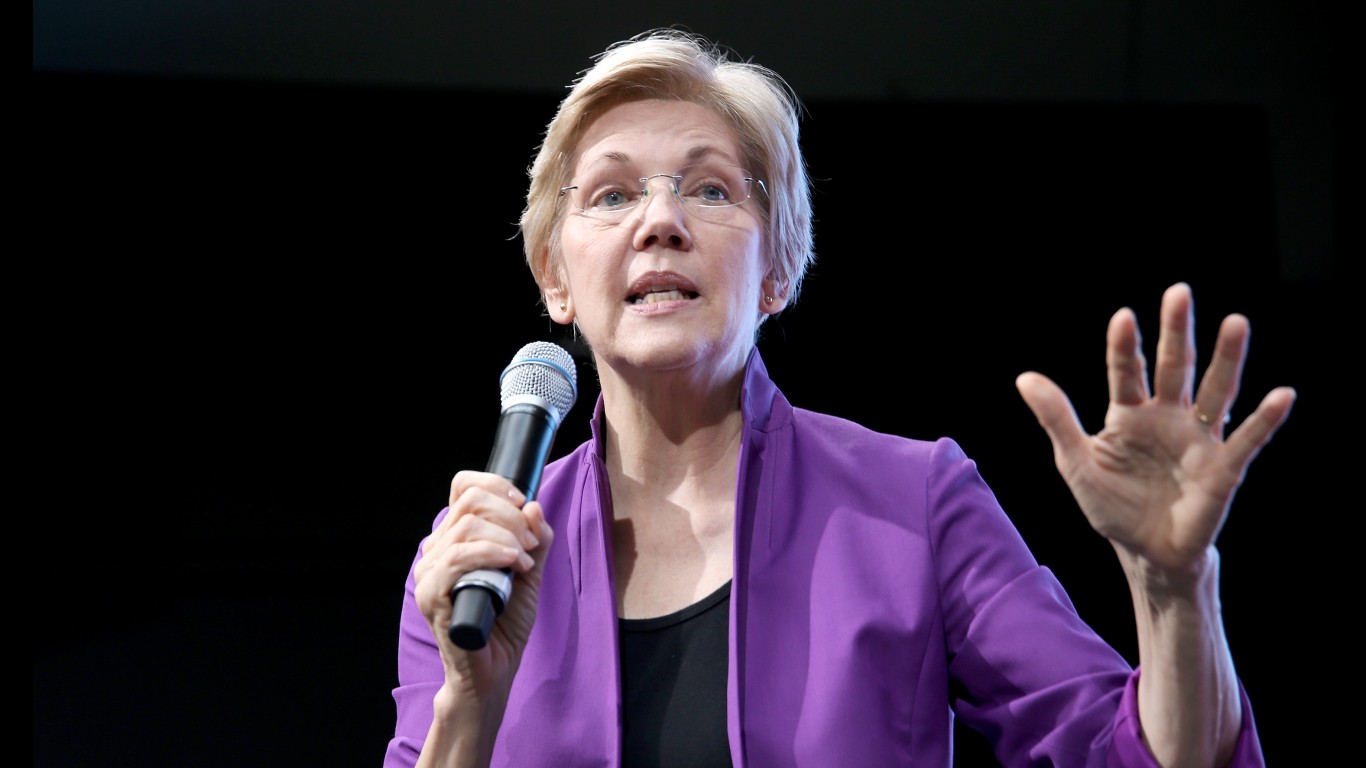
The stock closed November 4 at $79.96, a 12.53% drop from the $91.41 November 3 close. By the November 9 close of $85.25, it was still down 6.74%. On November 10 it gained 4.42%. Senator Elizabeth Warren posted on November 4 that “CVS sees the writing on the wall” and “this CEO is not fooling us.”

What CVS Committed To and What Remains Only Intent
The split is a stated purpose. The filing record for November 4 shows a press release, not a Form 8-K. On the call, management said the remaining company, CVS Health, would keep Aetna, Caremark, Specialty Pharmacy, Oak Street and Signify Health. The new CVS Pharmacy would take retail stores, mail order, MinuteClinic and Health 100. CVS expects completion in the first half of 2028. That depends on final board approval, a tax confirmation and an effective Form 10, the SEC registration statement a spun-off company must file. Separation costs were not disclosed. CEO David Joyner said on the call, “We take this action from a position of strength.”
What It Means for CVS and UnitedHealth Holders
CVS: Shareholders are expected to own shares in both companies. Most of the value remains with the insurer and PBM (pharmacy benefit manager). In the third quarter, Health Services brought in $53,964,000,000 of revenue, against $35,498,000,000 for Pharmacy & Consumer Wellness, which shrank 2.0%.
UnitedHealth Group (NYSE:UNH): Its Optum model of an insurer that owns care delivery and a PBM is the one Warren is targeting. On November 1 she criticized its $3.3 billion purchase of Amedisys. Its shares rose 1.22% on November 4 and finished the week 0.01% higher. So far, the market sees no spread from the CVS split.
Why Warren’s Victory Lap Overstates the Split
The claim that Joyner referenced the Warren-Hawley Break Up Big Medicine bill comes from an antitrust group, @econliberties, which Warren quoted. The call transcript contains no remarks about Warren. Joyner said the move was “not because there’s any issue that may be on the horizon in 28.”
Warren’s own test cuts against CVS. On November 9 she wrote that an insurer “shouldn’t own your doctor’s office, pharmacy, and the middleman”. After the split, CVS Health still owns Aetna, Caremark and Oak Street clinics. Mizuho’s Jared Holz described the breakup to CNBC as a regulatory pre-emption move. That happened on a day when health care stocks hit fresh records after the Democratic midterm sweep. Warren, positioned to chair Senate Banking in January, posted on November 10 that she is “ready to break up health care conglomerates.”
Does the Split Take CVS Out of Warren’s Sights?
No. The split spins off the low-growth stores and leaves the insurer, PBM and clinics together, which is exactly what Warren is attacking. The selloff tells you the market sees the split as a two-year project. It priced political risk as still present. The beat looks solid, but the split does not reduce CVS’s policy risk.
Watch the Form 10 filing. If it shows long-term commercial agreements between Caremark and CVS Pharmacy, Warren’s argument gets stronger. If shares cannot get back above $91.41 by the fourth-quarter earnings report, the market is pricing in political risk.

Data Sources
- Warren vows healthcare breakup: quoted for Warren’s November 10 statement.
Contact [email protected] for any questions or corrections.
Jake has been been working in financial media for almost 15 years. He focuses on all things personal finance for 24/7 Wall St. with high hopes to educate and entertain. Most recently, Jake spent 12 years working various roles at The Motley Fool. He started copy editing fool.com content, worked on premium and marketing campaigns, and helped launch The Ascent, a personal finance brand.
His work has been featured on platforms like MSN, Yahoo Finance, USA Today, and more. He's written about credit cards, social security, ETFs, savings accounts, and just about anything else you can imagine when thinking about money. Jake love to cook, play golf, and tell people he's never had a cavity. (It's true!)