Kevin Warsh’s Fed Will Vote on Rates Only 7 Times in 2027

This post may contain links from our sponsors and affiliates, and Flywheel Publishing may receive compensation for actions taken through them.
The Federal Reserve released a revised tentative 2027 calendar with 7 rate decisions. The Fed has held eight regularly scheduled meetings a year since 1981. Under the new calendar, the October 26-27, 2027 session will make no policy decision, and the December meeting has been dropped.
Bonds fell during the session. The iShares 20+ Year Treasury Bond ETF (NASDAQ:TLT) lost 1.48% to $79.72. The SPDR S&P 500 ETF Trust (NYSEARCA:SPY) slipped 0.34%, and the S&P 500 fell 0.35% to 7,592.40.
What Changed in the 2027 Calendar
The Fed will make rate decisions at meetings on January 26-27, March 16-17, April 27-28, June 8-9, July 27-28, September 14-15, and November 16-17. The next meeting after that is set for January 25-26, 2028. The October meeting will still take place, but the Fed has set it aside for “the discussion of broad monetary policy strategy issues.” That meeting will produce no rate decision and no statement.
The schedule the Fed published on Sept. 5, 2025 listed regular meetings for October 26-27 and December 7-8, 2027. The Dec. 8-9, 2026 meeting is unaffected. All new dates remain tentative until each is confirmed at the meeting before it, and the Fed can still call unscheduled meetings whenever it needs to.
Fed Chair Kevin Warsh announced the idea at his Oct. 28 news conference. He has also said that the Fed will hold two nonvoting meetings in 2028, although that plan has not been published as a calendar. The release does not quote Warsh. He has said the meeting schedule is a choice the institution makes and that it affects how well officials debate. He has also criticized heavy forward guidance, which means telling markets in advance where rates are headed. Since he took over, the press Q&A has been cut to about 30 minutes from about 45.
Why Long Bonds Carry the Most Risk
Under the new calendar, 63 days separate the September and November 2027 decisions, and 70 days separate the November decision from the next one in January 2028. More economic data comes out between decisions, so each meeting, and each data release in between, can move prices more.
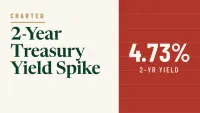
TLT owns Treasuries that mature in 20 years or more, so its price reacts the most when yields change. The 2-year Treasury yield closed at 4.86%, up from 4.73% on Nov. 10. Over the same stretch, the 10-year yield rose to 5.10% from 4.98%.
SPY’s dip was small. The schedule change has little effect on large-cap earnings, and stocks are likely reacting more to the hike expected in December.
December Matters More Than the Calendar
Late in the session, futures implied an 85% chance of a quarter-point hike at the December meeting and a 15% chance of a half-point move. The upper bound of the fed funds rate is 4.00%.
The release did not say why the Fed picked October to drop a vote, and it gave no 2028 schedule. When the Fed raises rates and says less about its plans, investors usually demand higher yields before they will hold long maturities. Higher yields drive long-bond prices down.
How TLT Could React to the December Decision
TLT is down 4.94% year to date, and the market sees a December hike as very likely. Under the new calendar, policy surprises would be spread across fewer meetings, so each one could move long-bond prices more.
The iShares 1-3 Year Treasury Bond ETF (NASDAQ:SHY) carries less rate risk while hikes remain on the table. Its short maturities mean its price moves less when yields rise, and its income climbs quickly as the Fed raises rates.
What matters is the 10-year yield after the Dec. 8-9 meeting. If it holds above 5.10% going into the first 2027 decision on Jan. 27, 2027, pressure on long bonds likely continues. If it falls back below 4.98%, the pressure on long bonds has likely eased.
Contact [email protected] for any questions or corrections.
Omor Ibne Ehsan is a writer at 24/7 Wall St. He is a self-taught investor with a focus on growth, cyclical, and dividend equities that have strong fundamentals, value, and long-term potential. He also has an interest in high-risk, high-reward investments such as penny stocks.