Harvard Cut Nvidia by a Third and Bought AMD

This post may contain links from our sponsors and affiliates, and Flywheel Publishing may receive compensation for actions taken through them.

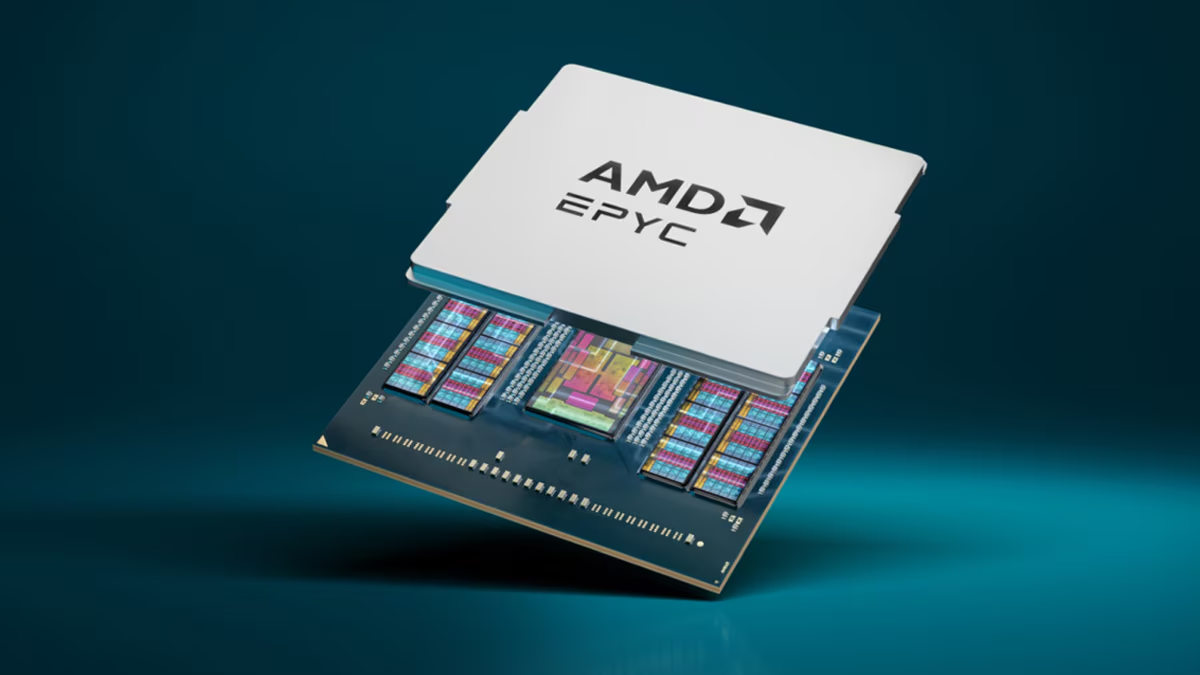
Harvard Management Company went into October holding less Nvidia (NASDAQ:NVDA | NVDA Price Prediction) and a new stake in Advanced Micro Devices (NASDAQ:AMD). Its third-quarter 13F, filed Friday, shows 324,400 AMD shares worth $198.5 million as of September 30. Harvard reported no AMD shares at the end of June.
The endowment’s manager also cut Nvidia by 34.3% to 517,551 shares in its 13F portfolio. AMD now makes up 5.0% of reported holdings, compared with 3.0% for Nvidia.
Harvard’s Swap Has Held Up Better Since September
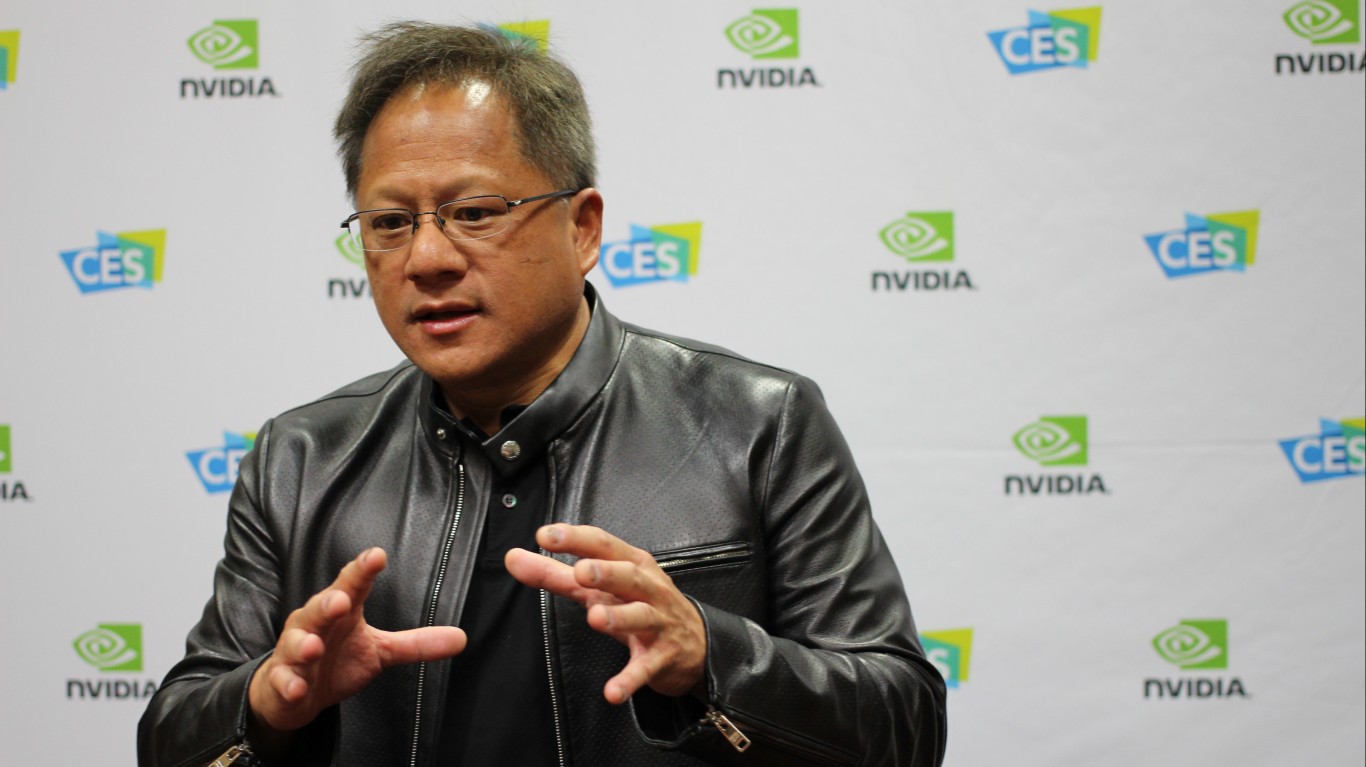
Nvidia closed Friday at $162.85, which is 28.7% below its September 30 close. The drop came after a week in which its board reportedly weighed removing longtime CEO Jensen Huang. AMD closed at $534.06, 12.7% below its own September 30 close, so the new mix has held up better than the old one would have.
By our calculation, Harvard’s AMD shares would be worth about $173.2 million at Friday’s prices and its remaining Nvidia shares about $84.3 million, assuming it still holds them. The filing does not show when Harvard traded or at what prices.


Taiwan Semiconductor Shows Harvard Stayed in AI Chips
Harvard raised its Taiwan Semiconductor (NYSE:TSM) ADRs by 85% to a stake worth $616.5 million. Taiwan Semiconductor makes chips for both Nvidia and AMD, so the moves look like a shift within AI hardware.
Two cloud providers took deeper cuts than Nvidia. Harvard trimmed Microsoft (NASDAQ:MSFT) by 41% to $118.7 million. That leaves AMD as the larger holding, and Harvard cut its Alphabet (NASDAQ:GOOG, NASDAQ:GOOGL) Class A shares by 62%.
AMD Gains More From Each New Customer
Last quarter, data center sales at AMD rose 97%[1] to $8.546 billion as Anthropic, Meta, Microsoft, OpenAI and Oracle brought their first Helios racks online. Management expects 2027 revenue to grow more than 80%[2].

Nvidia recorded $89.023 billion[3] of data center revenue in its latest quarter at a 75.0% non-GAAP gross margin, and it expects fiscal 2028 growth of approximately 70%[4]. AMD is valued at $875.90 billion and Nvidia at $3.93 trillion, so each new customer adds more to AMD’s growth rate.
Nvidia’s Expected Earnings Will Test the Selloff
Nvidia is expected to report after the close on Tuesday, November 17, although the company has not confirmed the date. It guided to $108.0 billion[3] in revenue with gross margins near 74.0%.

If Nvidia hits that guidance and keeps Vera Rubin on schedule, the selloff likely went too far. Demand looks like the smaller concern, because the CFO called guidance “a supply-constrained outlook”[4] in August.
Why AMD’s Demand Outlook Has Investors Paying Up
AMD’s demand outlook supports a strong growth case. Data center should account for more than 80% of 2027 revenue, and CEO Lisa Su said, “demand is higher than supply.”
The main risk is valuation. AMD trades at a trailing P/E of 202x, compared with 33 for Nvidia, and free cash flow was just $554 million[1] as inventory rose to $11.463 billion.
AMD’s own results carry more weight for investors than Harvard’s filing. The 13F shows holdings at September 30 and covers less than 6% of a $68 billion endowment. Harvard has not explained the trades.
If AMD’s valuation looks too high, Taiwan Semiconductor is worth exploring as an alternative, since it makes revenue from both chip designers, no matter which one gains share. The power, cooling, and networking suppliers behind the AI data center expansion are another way to play the same demand without paying a chip multiple, and we rounded up seven of them in a free report you can grab here.
Contact [email protected] for any questions or corrections.
Omor Ibne Ehsan is a writer at 24/7 Wall St. He is a self-taught investor with a focus on growth, cyclical, and dividend equities that have strong fundamentals, value, and long-term potential. He also has an interest in high-risk, high-reward investments such as penny stocks.