Bad News For Tesla, As Waymo Gets Pulled Off The Road

This post may contain links from our sponsors and affiliates, and Flywheel Publishing may receive compensation for actions taken through them.
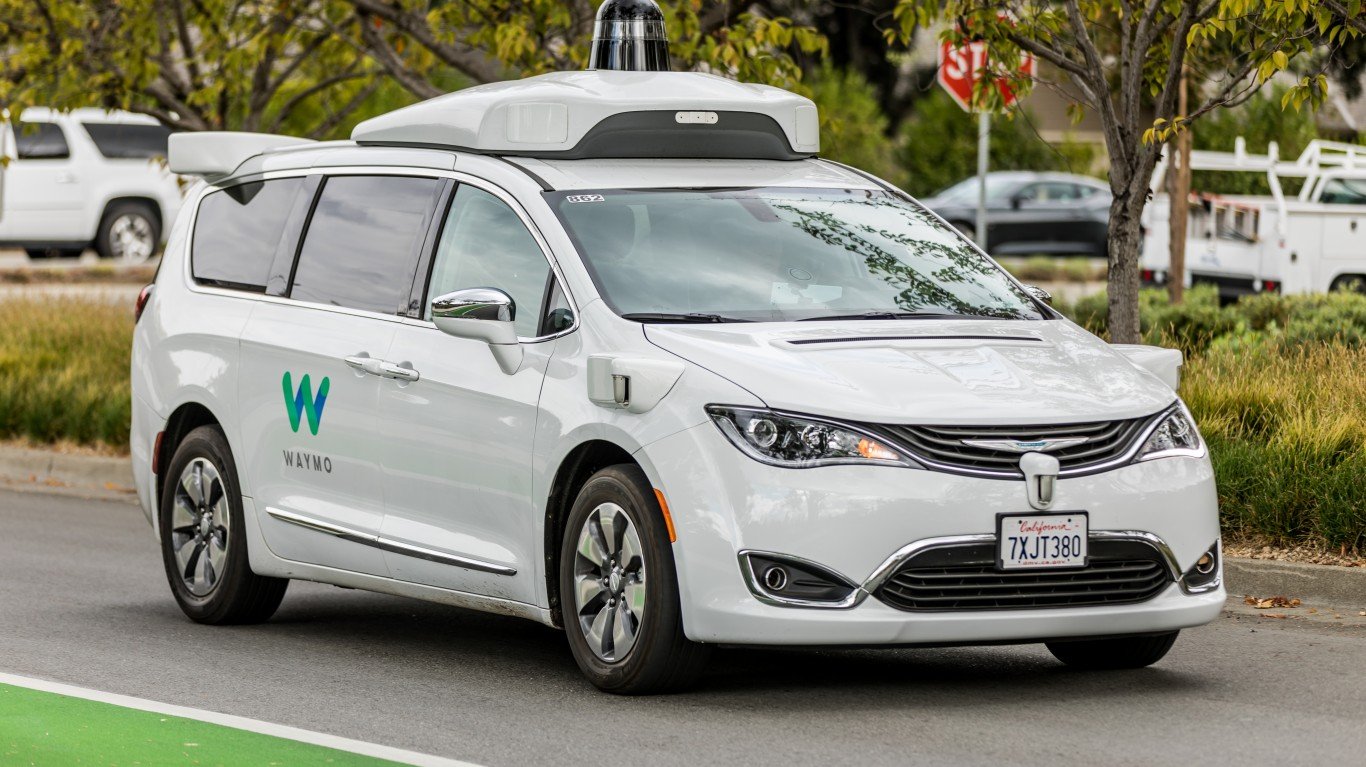
Why aren’t self-driving taxis and cars all over America’s roads? Evidence suggests they are safer than human-driven cars. Evidence suggests many people would rather not drive if “self-driving” works well. In theory, cars run by sophisticated software should reduce traffic jams by taking more efficient routes. And people should get lost less often.
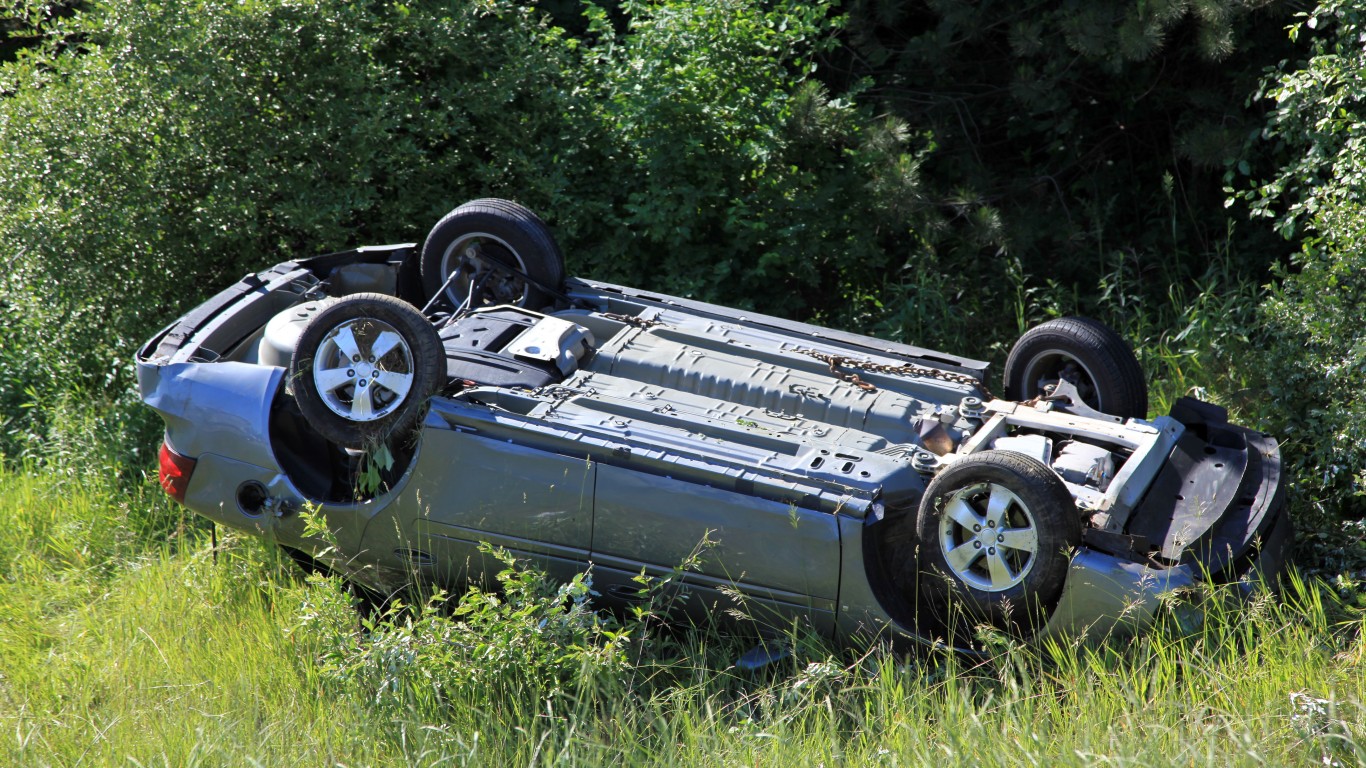
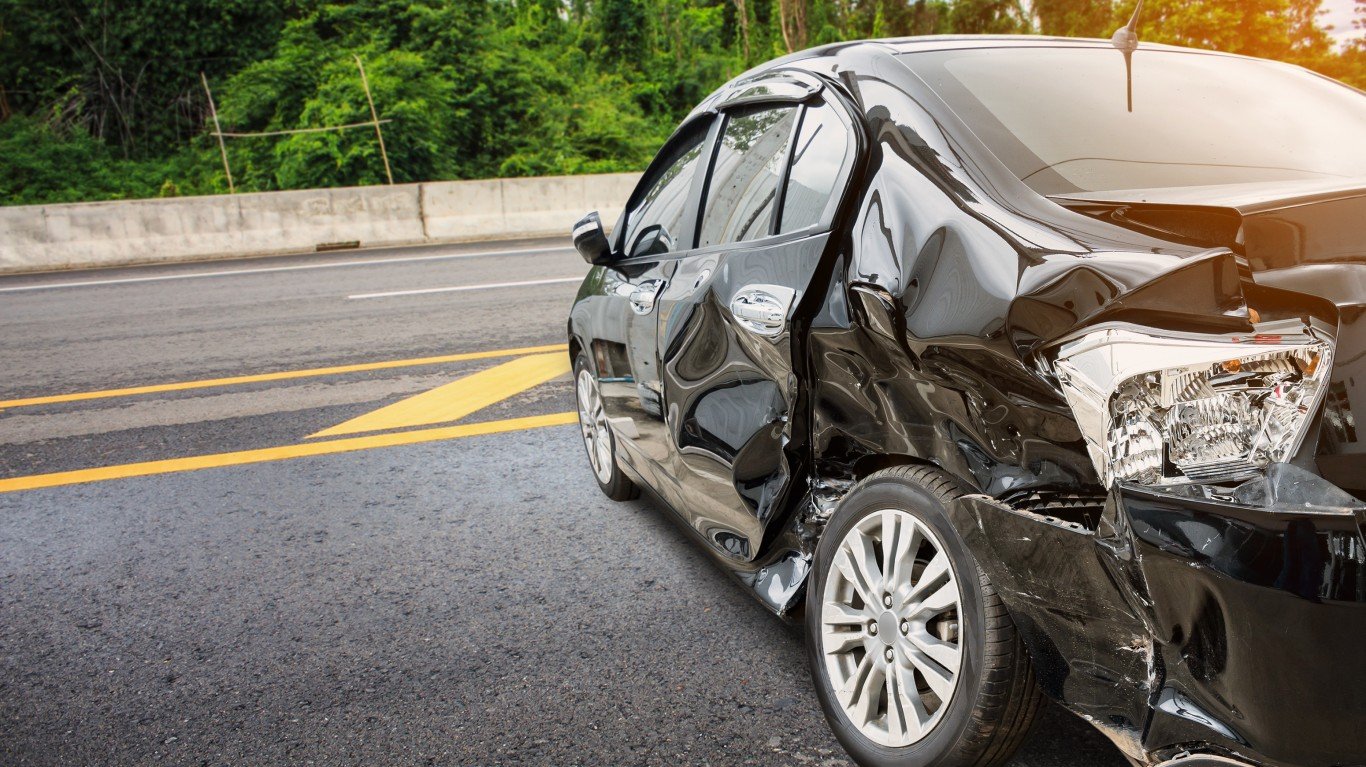
However, regulators in towns, cities, and states worry that self-driving vehicles are dangerous and that their software has not been perfected. They occasionally run into objects, although few accidents are serious. And, very rarely, their occupants get hurt.
Waymo, Alphabet’s (NASDAQ: GOOG | GOOG Price Prediction) self-driving car division, has had its cars taken off California’s highways. They can still operate on many city streets. Given that California is the nation’s largest state by population, the action is particularly painful.
The California Department of Motor Vehicles made the decision based, at least in part, on the fact that three of its vehicles drove into construction areas, which could be very dangerous. The National Highway Traffic Safety Administration is also investigating whether Waymo vehicles adequately detect stopped school buses, according to The Wall Street Journal.
A setback for Waymo is a setback for the self-driving vehicle business. The other major player in the sector is Tesla (NASDAQ: TSLA). Accidents involving its cars are sometimes front-page news. Its consumer-targeted EVs are not the same as its “Robotaxi,” but that distinction is not always clear. People also assume their basic functions are similar, if not nearly the same.
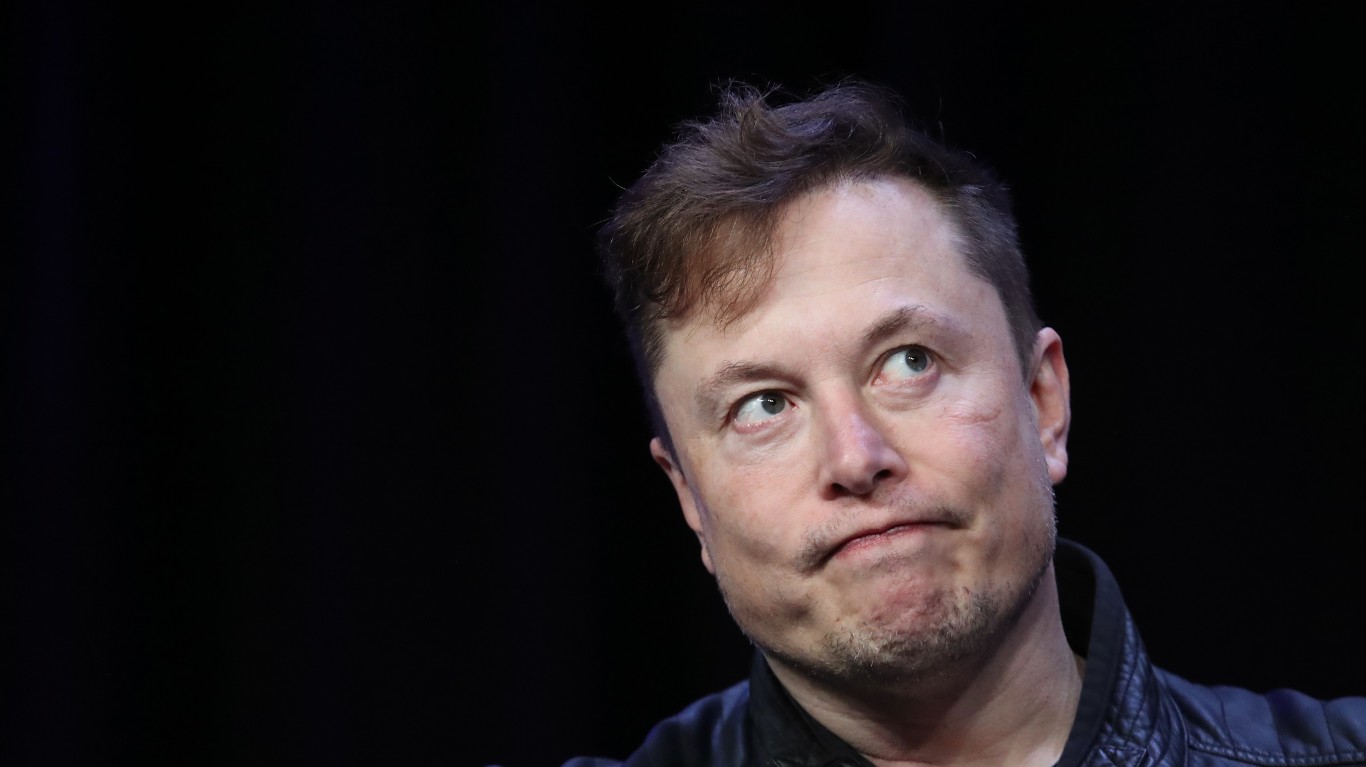
Much of what CEO Elon Musk says about Tesla’s future is its ability to have self-driving taxis in every city of any size across the world. Earlier this year, Musk said, “Tesla’s rolled out robotaxi service in a few cities, and will be very, very widespread by the end of this year within the U.S.” Musk has six weeks left because of problems like the one Waymo just had in California. Regulators are not allowing self-driving taxis to become mainstream.
Contact [email protected] for any questions or corrections.
Douglas A. McIntyre is the co-founder, chief executive officer and editor in chief of 24/7 Wall St. and 24/7 Tempo. He has held these jobs since 2006.
McIntyre has written thousands of articles for 24/7 Wall St. He is an expert on corporate finance, the automotive industry, media companies and international finance. He has edited articles on national demographics, sports, personal income and travel.
His work has been quoted or mentioned in The New York Times, The Wall Street Journal, Los Angeles Times, The Washington Post, NBC News, Time, The New Yorker, HuffPost USA Today, Business Insider, Yahoo, AOL, MarketWatch, The Atlantic, Bloomberg, New York Post, Chicago Tribune, Forbes, The Guardian and many other major publications. McIntyre has been a guest on CNBC, the BBC and television and radio stations across the country.
A magna cum laude graduate of Harvard College, McIntyre also was president of The Harvard Advocate. Founded in 1866, the Advocate is the oldest college publication in the United States.
TheStreet.com, Comps.com and Edgar Online are some of the public companies for which McIntyre served on the board of directors. He was a Vicinity Corporation board member when the company was sold to Microsoft in 2002. He served on the audit committees of some of these companies.
McIntyre has been the CEO of FutureSource, a provider of trading terminals and news to commodities and futures traders. He was president of Switchboard, the online phone directory company. He served as chairman and CEO of On2 Technologies, the video compression company that provided video compression software for Adobe’s Flash. Google bought On2 in 2009.