SanDisk Slides 4% Ahead of 8-for-1 Stock Split as NAND Glut Worries Linger; Micron Drops 3%, Seagate Edges Lower

This post may contain links from our sponsors and affiliates, and Flywheel Publishing may receive compensation for actions taken through them.

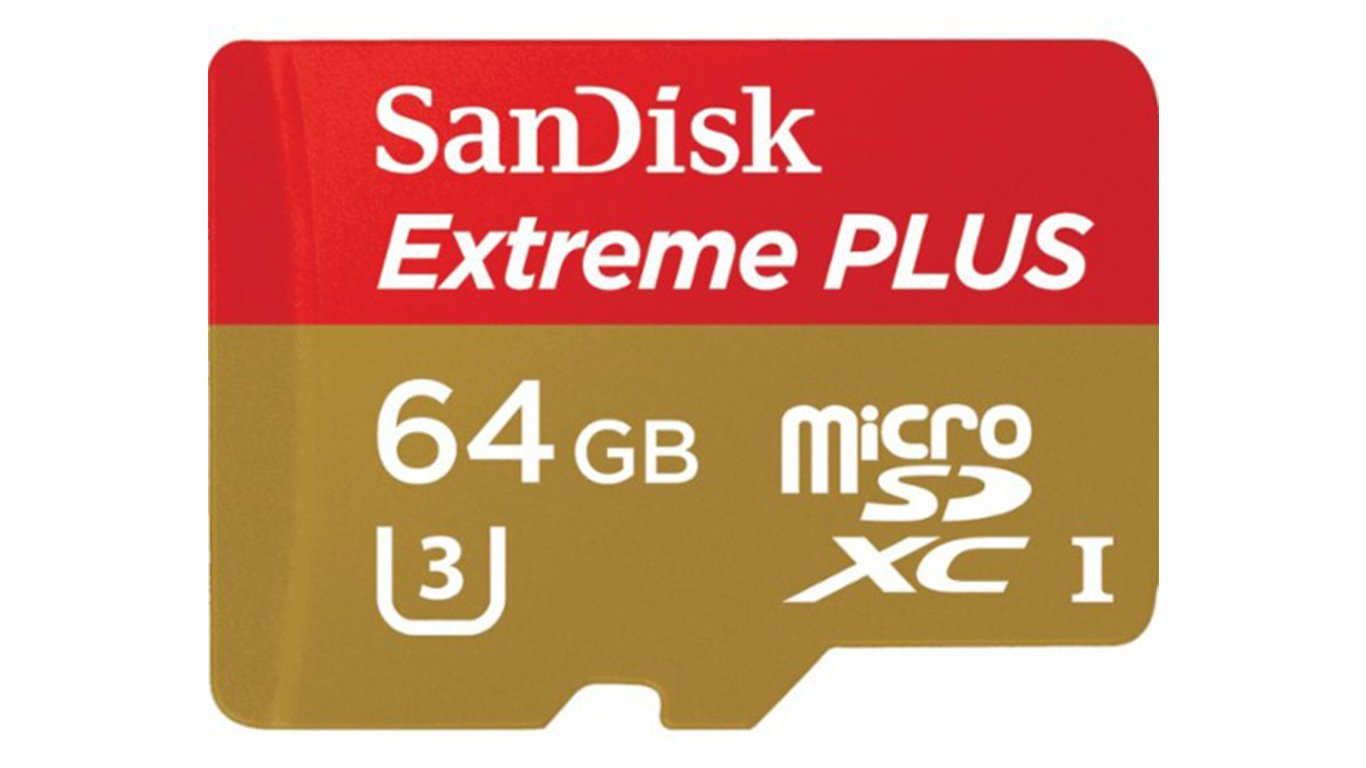
Memory stocks are under pressure again, and SanDisk (NASDAQ:SNDK | SNDK Price Prediction) is taking the biggest hit just days before its stock split. SanDisk stock is at $763.41 in midday trading, down 4%. Even so, the stock is still up 222% year to date (YTD).
The company’s 8-for-1 forward stock split takes effect later this week. Management said the split is meant to make the stock more accessible, including to employees through the employee stock purchase plan. A split raises the share count and brings down the per-share price by the same ratio, so SanDisk’s market value doesn’t change. Once the split takes effect, SanDisk’s quoted share price will look very different, and each shareholder’s stake will be worth the same amount.

NAND Glut Worries Keep the Pressure on SanDisk
The selling traces back to November 17, when GF Securities cut its NAND price forecast and warned of a glut. That note hit SanDisk and other memory makers, and worries about too much supply are still weighing on memory names.
Recent results paint a stronger picture. SanDisk reported Q1 FY2027 revenue of $11.03 billion[1] on October 29, up 377.9% year over year, with adjusted earnings per share of $49.51 beating the $46.27 consensus estimate. The company’s data center revenue rose 61%[1] from the prior quarter to $4.8 billion.
Management guided Q2 FY2027 revenue to a range of $12.2 billion to $12.6 billion[1]. On the earnings call, SanDisk management stated, “Demand from our customers is, if anything, strengthening versus what it was a quarter ago.”[2]
Broader sentiment isn’t giving SanDisk much support. AI hardware stocks have been mixed since NVIDIA (NASDAQ:NVDA) reported earnings, and New York Federal Reserve President John Williams said on November 17 that surging AI spending could warrant additional rate hikes next year.
What Micron, Seagate and Western Digital Say About SanDisk
Micron Technology (NASDAQ:MU) stock is at $690.02, down 3%. Like SanDisk, Micron stock is still up 142% YTD. That leaves Micron with a smaller decline than SanDisk. That fits a company whose sales rely on dynamic random-access memory (DRAM) and high-bandwidth memory as well as NAND.
At the same time, Seagate Technology (NASDAQ:STX) stock is at $500.76, down 0.7%. Biggest disk drives make up the core of Seagate’s business, which keeps the company further from NAND pricing than SanDisk.
Western Digital (NASDAQ:WDC) stock is at $283.97, up 0.2%. After separating SanDisk into its own public company in February 2025, Western Digital now focuses on biggest drives and still owns part of its former flash unit.
SanDisk’s NAND Focus Sets It Apart From Its Peers
SanDisk is a vertically integrated NAND flash company that sells into data center, edge and consumer markets and gets its flash wafers through Flash Ventures, a manufacturing joint venture with a strategic partner. Management has said its long-term New Business Model (NBM) agreements have become the main way SanDisk works with its customers. These include customer prepayments and deposits.
Micron spreads its business across DRAM, NAND and NOR flash, and it sells high-bandwidth memory for AI servers. Seagate and Western Digital, by contrast, sell mass-capacity biggest drives to hyperscale cloud providers and enterprises. SanDisk is left with the most direct exposure to NAND pricing of the four.
SanDisk’s Split Lands With NAND Pricing Still in Debate
SanDisk’s next test is whether NAND prices keep rose after the glut warning. Executives told analysts on October 29[2] that they expect “pricing to continue to increase modestly throughout the year.”
SanDisk’s long-term customer contracts, its debt-free[2] balance sheet and AI-driven data center demand are what the bulls highlight. The bears, though, see a stock that has run biggest this year and could give back more if GF Securities’ glut warning turns out right.
A conservative investment approach could make sense while the NAND pricing debate plays out. SanDisk’s Q2 results could offer a better read, since they’ll show whether pricing held up against the company’s guidance.
Contact [email protected] for any questions or corrections.
David Moadel is financial writer specializing in stocks, ETFs, options, precious metals, and Bitcoin. David has written well over 1,000 articles for leading online publications, helping investors understand markets, income strategies, and risk. His work has appeared in 24/7 Wall St., The Motley Fool, InvestorPlace, U.S. News & World Report, TipRanks, ValueWalk, Benzinga, Market Realist, MarketScreener, TalkMarkets, Finmasters, and others. With a master’s degree in education, David has taught at the elementary, high school, and college levels. That teaching background shapes his writing style: clear, educational, and practical. David has also built a loyal social-media audience by providing trustworthy financial content on YouTube, X/Twitter, and StockTwits.